
A Tesla Model 3 equipped with Full Self-Driving (FSD) Supervised recently completed a landmark drive across the United States with no driver interventions. Starting in Los Angeles and ending in Myrtle Beach, the journey spanned 2,732.4 miles and demonstrated the capabilities of Tesla’s most recent FSD version, v14.2. Owners and enthusiasts have long anticipated such a feat, often debating the timeline for achieving fully autonomous, cross-country travel. The trip has sparked renewed discussions about how driver-assist functions are progressing, what they mean for everyday users, and how real-world data continues to verify the advancement of autonomous vehicle technology.
Earlier updates about Tesla’s FSD indicated gradual improvements but none had recorded a zero-intervention coast-to-coast trip until now. Other reports tracked incremental progress, including partial hands-free journeys or supervised segments with occasional disengagements. Analysts and early adopters frequently questioned both safety and robustness in variable road conditions. This journey marks a shift from previous attempts by covering a complete route without requiring driver control, setting a concrete reference point for future developments and regulatory considerations.
What Set This Journey Apart?
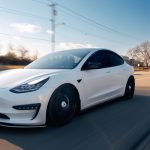
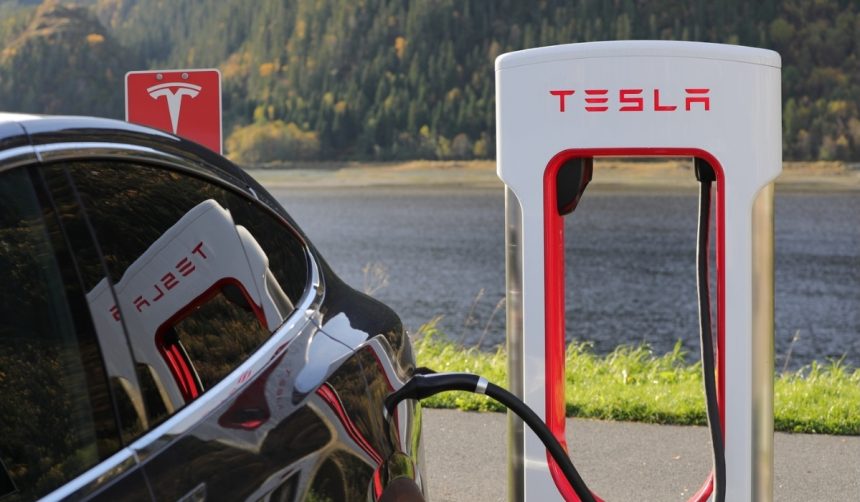
Owner Davis Moss piloted his stealth gray Model 3 with AI4 hardware and FSD v14.2.1.25 installed just days before departure. According to data verified in the FSD community database, Moss traveled over 10,600 miles recently using FSD continuously, including every mile of the coast-to-coast journey. Notably, the system managed not only highways but also city streets and parking, including stops for charging at Tesla Superchargers.
How Did Tesla and the Community React?
Tesla executives, including AI Software VP Ashok Elluswamy, and the official Tesla North America account, recognized the achievement online. The milestone resonated with long-standing objectives set by Elon Musk, who previously stated that such a trip should be possible within a few years after introducing Autopilot 2.0. The community’s response was enthusiastic, reflecting years of anticipation and debate over the technology’s readiness.
What Does the Data Say About Real-World FSD Use?
Publicly accessible logs, alongside social posts from Moss, provide transparency for observers to examine the journey’s details. Moss emphasized,
I left the Tesla Diner in Los Angeles 2 days & 20 hours ago, and now have ended in Myrtle Beach, SC (2,732.4 miles)
and highlighted the system’s reliability throughout:
This was accomplished with Tesla FSD V14.2 with absolutely 0 disengagements of any kind even for all parking including at Tesla Superchargers.
These details support claims of consistent system performance over an extended, complex route.
Successful completion of a zero-intervention cross-country trip with Tesla FSD suggests new benchmarking standards for autonomous driving systems. For drivers and industry observers, the results give a foundation for discussing both the progress made and the limitations that remain before full autonomy becomes widespread. Regulatory agencies continue to watch such real-world trials, as these results will inform safety guidelines and integration with traditional transportation systems. For those considering adopting FSD or similar technology, real-driving data such as Moss’s trip can offer insights into what’s feasible right now and what may soon become routine. Individuals interested in the evolving landscape of autonomous vehicles should pay attention to future journeys under varied conditions, as comprehensive and consistent data will contribute to wider acceptance and road safety discussions.