
In a significant step for automated vehicle technology in Europe, Tesla invited Rome’s Mayor Roberto Gualtieri and Mobility Assessor Eugenio Patanè for an up-close trial of its Full Self-Driving (Supervised) system on the capital’s complex roads. The hands-on demonstration took place amid daily city traffic, allowing the officials to experience how the Model 3 navigates through crowded intersections, lively roundabouts, and a blend of cars, scooters, and bikes. Public curiosity has grown regarding how such urban tests could influence policymakers’ outlook on automated driving systems. Given Rome’s historic layout and traffic complications, this demonstration highlights Tesla’s focus on adapting the FSD experience for European cities.
European audiences have been following Tesla’s ongoing attempts to secure regulatory approval for FSD, particularly as other countries like Germany and the Netherlands previously saw closed tests without direct involvement from senior government officials. What distinguishes this event is the transparent engagement with Rome’s highest municipal figures, providing candid feedback on public safety and urban mobility priorities. Earlier demonstrations often showcased the system’s capabilities in less complex environments, whereas this event zeroed in on everyday urban challenges.
How did Tesla present FSD to Rome’s leaders?
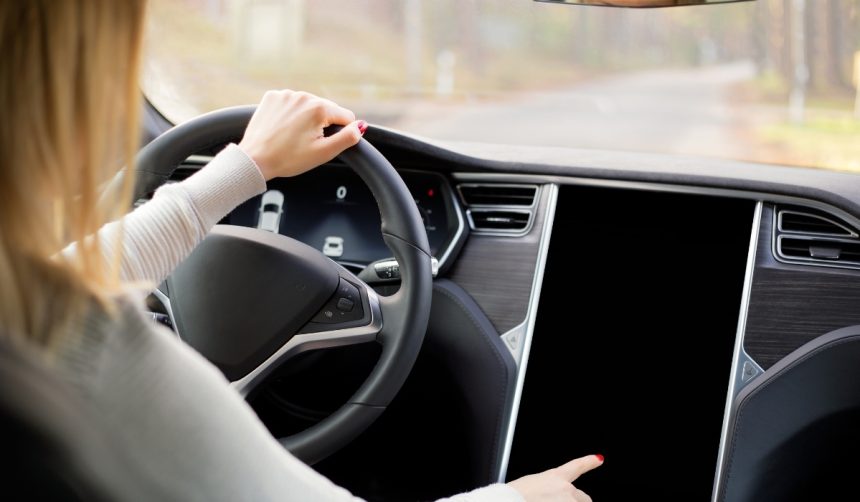
Tesla organized the demonstration with a Model 3 equipped with the latest Full Self-Driving (Supervised) features. The system utilized advanced AI to navigate through scenarios such as roundabouts, overtaking, and pedestrian crossings without relinquishing driver control. The demonstration aimed to strike a balance between FSD technology’s capabilities and the requirement for active human supervision.
What feedback emerged during the trial?
During the experience, Tesla emphasized that driver responsibility remains central, with the FSD system acting solely as an advanced assistance tool. According to company data, their approach could reduce major collision risks—potentially by up to seven times compared to traditional driving. After the session, Assessor Patanè stated,
“We see potential in technologies that support safety and urban quality, but they must adhere to strict standards.”
Rome’s mayor also experienced the technology firsthand, noting,
“Trying FSD in Rome’s urban traffic demonstrates how such systems can interact with our city’s unique streets.”
Will FSD reach Italian roads more broadly?
Tesla has already tested FSD across 17 European countries, logging more than one million kilometers to adapt the system to local regulations and driving habits. The active participation of Rome’s officials could influence national regulatory bodies as approval discussions continue. Public commentary suggests involving Italy’s Transport Ministry may be vital in accelerating formal evaluation and adoption, as regulatory clearance remains a key barrier to broader deployment.
As policymakers closely observe Tesla’s results in Europe, Italy’s interest highlights the importance of thorough, real-world testing in diverse urban settings. Some European regions have exhibited hesitation or requested more extensive data before moving forward, while Rome’s engagement signals openness toward technological progress coupled with regulatory caution. Readers considering the future of urban mobility may find that policy-makers’ direct involvement often marks an early indicator of a technology’s wider acceptance. Those contemplating automated vehicle adoption should monitor how regulatory feedback and genuine city challenges inform enhancements in driver-assistance products like Tesla’s FSD (Supervised). Ensuring that safety, transparency, and collaborative testing remain at the forefront will likely shape both public perception and the pace of regulatory approvals for these advanced systems.