
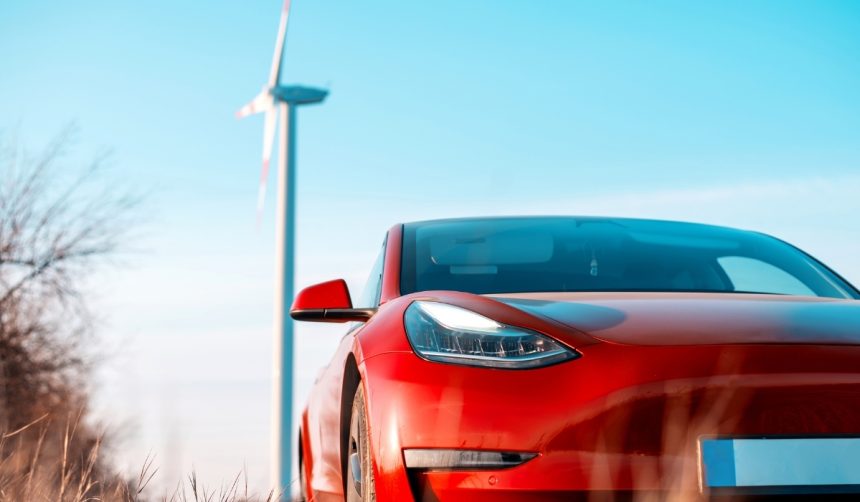

During an in-depth interview at the New York Times Dealbook Summit, General Motors CEO Mary Barra revealed she privately urged President Joe Biden to recognize Tesla and its CEO, Elon Musk, for their key role in advancing the electric vehicle (EV) market. While Biden publicly applauded Barra and GM for pushing the industry’s transition towards electrification, Barra stated that the origins of widespread EV adoption owe much to Tesla’s initiatives. Her comments bring a fresh perspective to the ongoing discussions about leadership in electric mobility, as more automakers shift their focus to EVs amid public and political pressure to decarbonize transportation.
When Biden visited GM’s Factory Zero plant in Detroit in 2021, he credited GM and Barra with spearheading the country’s EV momentum, overlooking Tesla’s outsized contributions. Musk and Tesla had earlier called attention to their exclusion from White House EV summits and highlighted their substantial sales compared to traditional automakers. Industry data from 2021 showed Tesla’s Q4 deliveries at 300,000 EVs, while GM’s were only 26, reflecting Tesla’s dominance. Past reports have frequently noted Tesla’s head start in mass-market EVs and consistent expansion of its lineup, while established brands like GM and Ford have accelerated their EV plans in response to competitive shifts and government incentives. Barra’s latest remarks are consistent with recent sentiments in the automotive industry, recognizing both legacy and new players’ contributions as the EV sector rapidly develops in the U.S.
Why Did Barra Direct Biden’s Attention to Tesla?
Mary Barra explained her motivation in addressing President Biden, noting the importance of giving credit where it is due. She recounted,
“He was crediting me, and I said, ‘Actually, I think a lot of that credit goes to Elon and Tesla…You know me, Andrew. I don’t want to take credit for things.’
Barra’s candor reflects acknowledgment within the industry that Tesla turned EVs from a niche concept into a mainstream product, setting benchmarks that forced competitors to catch up. Her remarks suggest a desire for fair recognition, regardless of industry rivalry.
How Did Presidential Comments Stir Debate on Industry Leadership?
The focus of President Biden’s statements at high-profile automotive events on GM and Barra instead of Tesla led to considerable debate, both inside and outside the sector. Many observers questioned the omission, given Tesla’s consistent surge in EV sales figures and influence on market direction. Elon Musk has publicly addressed his exclusion from such acknowledgments, at one point commenting that some automakers had “so much power over the White House that they can exclude Tesla from an EV Summit.”
Do Sales Numbers Support the Discussion About EV Leadership?
Sales data supports Barra’s assertion: Tesla’s output and market share continue to surpass those of established carmakers. While GM announced major EV goals and investments, actual deliveries lagged far behind Tesla during the same period, highlighting disparities between announced commitments and tangible results. For consumers and industry analysts, these figures provide context for the ongoing conversation over which companies are truly leading the transition to electric vehicles.
Mary Barra’s forthright comments draw attention to the broader issue of recognition in the automotive sector. Acknowledging past contributions provides a more honest reflection of the pathway to cleaner mobility and underscores the importance of robust competition and collaboration. For policymakers, appropriately crediting the trailblazers can encourage continued innovation while maintaining momentum among established manufacturers. Industry leaders, government officials, and consumers alike benefit from transparency about who has pioneered new technologies and who is following. For readers interested in the EV market, recognizing the distinct roles played by Tesla and General Motors offers deeper insight into how industrial leadership is perceived and awarded, and why these perceptions can influence both business decisions and public policy.