
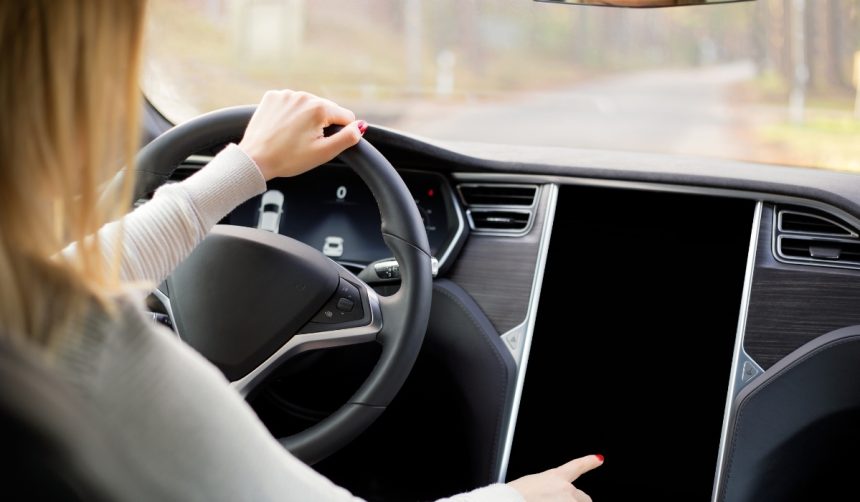

Tesla‘s approach to automated driving is now taking a step that stirs both curiosity and concern among drivers. CEO Elon Musk has confirmed that the latest update to the Full Self-Driving suite, FSD v14.2.1, introduces texting capabilities on select occasions. As manufacturers continue to blur the lines between hands-on and hands-off driving, this update not only marks a new phase for Tesla users, it puts a spotlight on how technology adapts to legal frameworks and road safety. Operators may find themselves at the center of a changing landscape in which their behaviors and responsibilities are reshaped by real-time software development.
Discussions in previous coverage focused heavily on Tesla’s cabin-facing camera monitoring system and the company’s cautious messaging about Level 2 autonomy limitations. Earlier articles emphasized the persistent need for driver attention, repeated warnings about the inability to delegate full responsibility to the system, and the legal complexity surrounding mobile usage behind the wheel. The current announcement extends these debates by challenging state laws and introducing an element of conditional freedom that has not previously existed in widespread consumer vehicles. Previous updates discussed enhancements in sensor accuracy and minor comfort improvements, but seldom ventured into controversial territory like active phone use during operation.
How Does the New FSD Update Handle Texting?
The conditional texting feature in the latest FSD v14.2.1 update permits drivers to text while the car is in motion, with certain restrictions. The system relies on an assessment of the surrounding traffic to determine when this functionality is accessible. Elon Musk clarified that the capability is not universally enabled at all times, but instead is governed by the real-time driving environment.
What Has Tesla Said About Safety and Legalities?
Tesla maintains that Full Self-Driving remains at Level 2 autonomy, requiring full attention from the operator.
“I am confident that, within the next month or two, we’re gonna look at the safety statistics, but we will allow you to text and drive.”
Despite Musk’s assurance, U.S. laws in every state currently ban texting while driving, regardless of automation status. This creates uncertainty for users who may technically use the feature but still face potential legal penalties if observed by law enforcement.
Are There Clear Conditions on When Texting Is Allowed?
The announcement did not specify detailed criteria for when drivers can use the texting function safely or legally. When pressed, Musk explained the access is determined “depending on context of surrounding traffic,” yet precise thresholds or definitions for those contexts remain undisclosed.
“Depending on context of surrounding traffic, yes.”
Operators are consequently urged to exercise caution, as the feature’s rollout does not override existing traffic statutes or absolve responsibility in the event of an incident.
The conditional allowance of texting in Tesla vehicles marks a controversial intersection of technology, policy, and public safety. While automation continues to evolve, legal frameworks lag behind, often favoring human vigilance over trust in autonomous systems. As software developments like FSD v14.2.1 outpace regulatory adaptation, drivers must stay informed about updates and thoroughly understand both the technical boundaries and legal environment in which they operate. For those relying on automated systems, vigilance and a cautious approach remain vital. Understanding how such updates are monitored and enforced, and keeping abreast of state regulations, can help avoid missteps that lead to legal or safety issues. Drivers interested in automation should weigh the perceived convenience against the complexities of real-world responsibility and acknowledge the technology’s current limitations.