
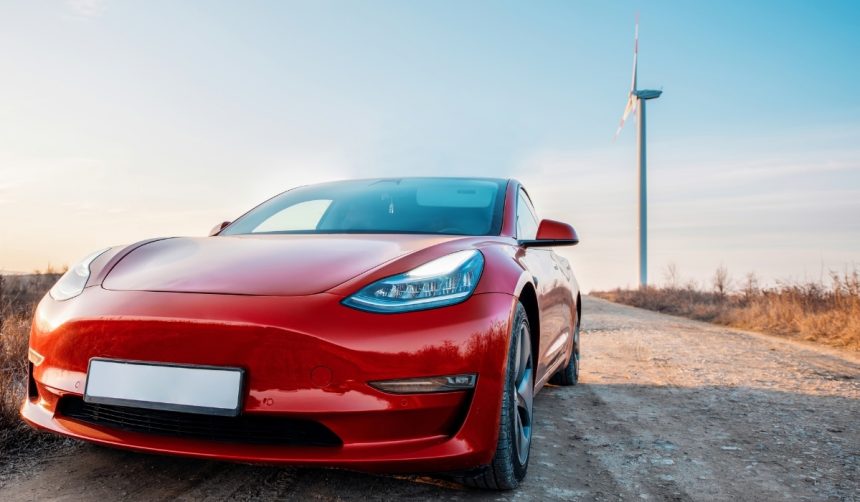

Many European car buyers have recently focused on affordability and range as key factors in their switch to electric vehicles, intensifying pressure on automakers to deliver cost-effective options. Tesla’s introduction of a less expensive Model 3 Standard signals the company’s response to this trend, offering a product designed to appeal to those prioritizing price without significant sacrifice on range. As European roads witness growing competition from brands like Volkswagen and BYD, Tesla’s move seeks to reclaim momentum at a time when consumer choices are widening.
A review of past coverage reveals that Tesla long planned to lower the entry point of its product lineup in Europe. Previously, there were widespread expectations for an all-new sub-$25,000 Tesla, but those plans did not materialize. Instead, Tesla has opted to diversify its existing portfolio and respond directly to rivals that have focused on affordability such as Volkswagen’s ID.3 and BYD’s Atto 3. This current offering aligns closely with what analysts had forecasted: bolstering sales volumes with price-sensitive models instead of launching entirely new platforms.
How Is Tesla Positioning the Model 3 Standard?
Tesla has unveiled the Model 3 Standard in markets across Europe, setting prices at €37,970 in Germany, NOK 330,056 in Norway, and SEK 449,990 in Sweden. The model maintains a driving range of over 300 miles (480 kilometers) per charge, which aims to meet practical needs for both urban and longer-distance driving. Tesla highlights its focus on operational savings, noting the model’s efficient energy consumption and suitability for drivers seeking reduced long-term expenses. Deliveries for the Model 3 Standard are scheduled to begin in early 2026.
Which Features Distinguish the Model 3 Standard?
To lower the price point, Tesla has streamlined the Model 3 Standard by removing select premium features and finishes found in higher-spec versions. The tradeoff allows the vehicle to be offered well below the price of the traditional Model 3, which starts at around €45,970 in Germany. According to Tesla, the new variant still offers spacious trunk capacity and essential safety features, underscoring its approach to prioritizing value and practicality. The company has described the release as bringing their “most affordable Model 3” to market for European buyers.
“Ultra-low cost of ownership, engineered for safety & comes with the best Tesla features you love,”
the company stated.
Why Is Tesla Prioritizing Affordable Electric Vehicles?
The push for a more affordable Model 3 follows similar strategies with the Model Y, marking a shift toward broader accessibility. Tesla faces increasing competition from established and new entrants, particularly those offering lower-priced electric vehicles. Some industry observers have cautioned that the new standard variant could potentially reduce demand for higher-margin Tesla models, but the primary aim is to counteract market share erosion. The move is intended to strengthen the company’s stance in an environment where sub-€40,000 vehicles are gaining traction.
“We’re offering a vehicle with extreme efficiency that takes you farther and saves you money,”
Tesla Europe emphasized.
Tesla’s Model 3 Standard arrives amid evolving automotive market conditions, with companies recalibrating their strategies to attract buyers seeking both price and reliability in electric vehicles. Opting to lower the cost by adapting current platforms, rather than launching entirely new models, signals that Tesla is responding pragmatically to the realities of European demand and the growing influence of competitors. Car buyers considering an electric vehicle now have a broader selection in the sub-€40,000 segment, which could shape future consumer expectations and influence overall EV adoption rates. For those comparing models, it is important to note that practical range, cost of ownership, and brand reliability remain decisive factors alongside initial purchase price. As trends continue to shift, such product introductions are expected to play an important role in defining the competitive landscape for years to come.