
Investor interest in Tesla surged on Monday after Morgan Stanley adjusted its price outlook for the electric vehicle company, but analysts are urging caution. While higher targets can excite markets and potentially shift trading patterns, questions remain about how Tesla’s diversification into artificial intelligence and autonomous driving might influence long-term growth. Competitive pressures and changing industry dynamics continue to shape perceptions of Tesla’s future.
Previous commentary from Morgan Stanley’s coverage often centered on the disruptive potential of Tesla’s technology and CEO Elon Musk’s vision for the industry. Recent months have seen a more measured approach, reflecting a broader trend of skepticism about inflated expectations, especially considering more traditional automakers’ advances in EVs and autonomous systems. In earlier analyses, more bullish expectations dominated, with greater emphasis on acceleration rather than risks or a complex investment climate.
What Does the New Price Target Suggest?
Andrew Percoco of Morgan Stanley, now responsible for Tesla coverage, has increased the price target to $425 from $410 while switching the firm’s outlook from ‘Overweight’ to ‘Equal Weight’. This alteration signals a more balanced perspective regarding Tesla’s future market performance. Despite recognizing Tesla’s leading status in electric vehicles, manufacturing, and renewable energy, Morgan Stanley’s update reflects uncertainty about short-term trading due to market volatility and high investor expectations.
“We expect a choppy trading environment for the TSLA shares over the next 12 months, as we see downside to estimates, while the catalysts for its non-auto businesses appear priced at current levels.”
How Are Tesla’s Projects Being Valued?
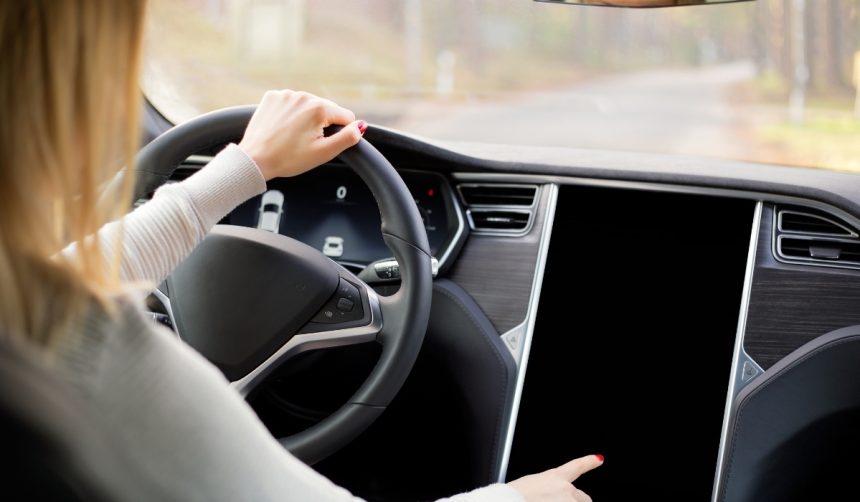
Percoco provided clearer estimates of specific business components, assigning a $60 per share equity value to the Optimus humanoid robot project. He placed particular emphasis on Full Self-Driving (FSD) software as a primary value driver for Tesla, considering it a crucial differentiator against competitors in both the automotive and technology sectors.
“Full Self Driving (FSD) is the crown jewel of Tesla’s auto business; we believe that its leading-edge personal autonomous driving offering is a real game changer, and will remain a significant competitive advantage over its EV and non-EV peers.”
What Risks and Outcomes May Investors Face?
The range of future outcomes for Tesla stock remains broad, with Percoco outlining both bull and bear cases. The bullish scenario envisions a price as high as $860 if Tesla successfully overcomes the challenges faced by electric vehicle markets, scales its robotaxi services, and advances Optimus and FSD. Conversely, a bearish outlook could see shares falling to $145, should increased competition pressure margins, regulatory issues slow robotaxi adoption, and non-core initiatives falter. At the time of reporting, Tesla’s share price stood near $441, suggesting the market is still weighing these competing uncertainties.
Given the spotlight on valuation methods and non-automotive initiatives like Optimus and FSD, readers and investors should track how progress in personal autonomy and robotics may influence the company’s financial prospects. In particular, deeper regulatory scrutiny and evolving competition from legacy automakers could continue impacting both Tesla’s product mix and market share. It may also be prudent for market participants to watch how Tesla’s ambitious targets intersect with near-term disruptions or expectations, particularly if technology rollouts face unexpected obstacles or timelines shift. On balance, the cautious optimism reflected in Morgan Stanley’s stance suggests that, while growth stories like Tesla can inspire enthusiasm, prudent assessment of risks is vital for informed decision-making.