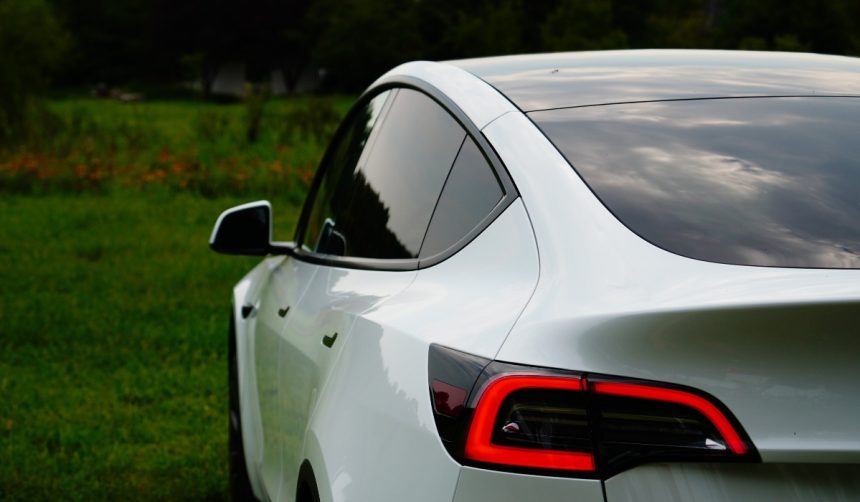

Tesla’s push for global prominence in autonomous ride-hailing took a new turn as the company expanded access to its Robotaxi app beyond North America. This broader availability marks a pivotal step for the company, which now invites users from various regions around the world to download the service. As the electric vehicle manufacturer opens up its platform internationally, anticipation sparks among both tech enthusiasts and transportation observers about how the Robotaxi service will perform and be received by new audiences. Local adaptation and regulatory acceptance remain focal challenges, amidst a rising competition in the mobility sector.
When the Robotaxi project first launched, it was largely limited to select U.S. states such as California, Texas, and Arizona. Recent coverage highlighted the cautious approach Tesla took in past expansion rounds, which typically involved rigorous regulation checks and limited beta releases. Unlike earlier efforts that prioritized controlled trial markets, this latest move signals Tesla’s intention to accelerate its global roadmap and potentially confront obstacles faced by autonomous mobility solutions in countries with diverse infrastructure and legal landscapes.
Which Regions Now Have Access to Robotaxi?
The Robotaxi app is now downloadable in markets including Japan, Thailand, Hong Kong, South Korea, Australia, Taiwan, Macau, New Zealand, Mexico, the U.S., and Canada. This list points to Tesla’s strategy of targeting markets with established enthusiasm for technological adoption and significant urban mobility needs. Although app availability has expanded, in many of these regions ride-hailing with Robotaxi vehicles is not yet operational, as regulatory clearance and logistical groundwork are underway.
How Is Tesla Preparing for Operational Launches?
Tesla continues to focus on removing the need for onboard safety monitors, an interim safety requirement presently implemented in select locations. The introduction of a new in-cabin data-sharing system aims to enable autonomous assistance without staff in the vehicle, further streamlining the service towards its goal of full autonomy.
“Our aim is to make the Robotaxi experience seamless and truly driverless,”
Tesla stated, explaining that technology and regulatory advances will be key to future deployments.
What Are the Key Challenges Moving Ahead?
Expansion requires regulatory approval for each operational area, especially as local governments maintain varying standards for autonomous vehicles. Progress promises to be gradual, with Tesla leveraging experience gained from the Bay Area and Austin, where the Robotaxi fleet has already accumulated over 550,000 miles.
“We are working collaboratively with authorities worldwide to ensure safe and compliant operation,”
a Tesla spokesperson added, highlighting the balancing act involved in scaling autonomous ride-hailing campaigns.
Tesla’s ongoing effort to open the Robotaxi platform to global users brings into focus the interplay between technological ambition and practical implementation. The company’s choice to enlarge app access ahead of full-scale regional launches reflects both a bid for feedback from international users and a readiness to adjust for local requirements. For prospective riders and industry watchers, monitoring the evolving regulatory climate, safety innovations, and city-level partnerships will offer insight into when and where fully autonomous Tesla rides may become a routine transportation choice. Those interested in autonomous mobility trends will want to track both how quickly regulatory hurdles are cleared and how everyday riders respond to Tesla’s service, since widespread adoption depends on both public trust and effective integration into existing transportation networks.