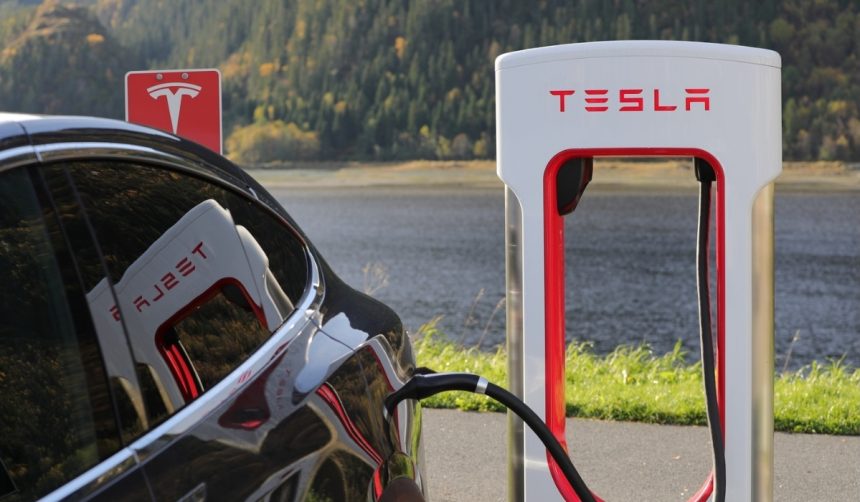

Tesla is ramping up its efforts in Europe by broadening access to its Full Self-Driving (FSD) ride-along initiative, a move reflecting both public interest and ongoing regulatory challenges. The company recently welcomed participants in Denmark and Switzerland, expanding beyond its earlier launches in Italy, France, and Germany. Interested individuals can reserve ride-along experiences at select Tesla showrooms, though high demand has led to quickly filled slots. The strategy demonstrates Tesla’s continued pursuit of consumer engagement despite the technology not being available for purchase on the continent. Many observers note that direct experiences with FSD may play a role in shaping public perceptions and, potentially, influencing regulatory attitudes in the region.
When the ride-along program first started in late November, it was limited to three countries and quickly drew attention due to limited availability and high demand. Previous reports highlighted regulatory hurdles and Tesla’s ongoing negotiations with EU agencies, noting that despite demonstrations, actual deployment approval remains elusive. This expansion to additional countries represents persistence by Tesla in engaging local users and regulators, although expectations for widespread adoption remain cautious given the slow pace of regulatory reform.
How are European Markets Responding to FSD Demo Rides?
Tesla’s approach involves allowing prospective customers to experience FSD in supervised settings, rather than introducing the system for private vehicle use. The program’s expansion mirrors rising interest, with spots in several countries being snapped up quickly. According to Tesla, public participation and feedback from these sessions could facilitate acceptance of FSD tech.
“Now available in Denmark & Switzerland,”
Tesla Europe & Middle East posted, indicating the program’s reach now covers five European countries.
What Hurdles are Limiting Full Self-Driving in Europe?
Despite visible consumer interest, Tesla continues to face significant challenges in securing approval from European regulators. Elon Musk has publicly described the regulatory environment as particularly complex, highlighting outdated frameworks as a key obstacle.
“Some regulations are outdated and rules-based, making the suite ineligible for use in the European jurisdiction,”
Tesla noted regarding the FSD product and its limitations in the region.
Will Regulatory Approval Come Soon for Tesla’s FSD Suite?
Progress towards full deployment hinges on Tesla’s ongoing discussions with regulatory bodies, most notably the Dutch authority RDW. While the company is pursuing approval reportedly targeted for early next year, the timeline remains uncertain as officials maintain a cautious approach. Tesla’s tactic of gathering positive user experiences through ride-alongs could help build momentum, yet meaningful rollout depends on regulatory shifts that may take additional time.
Tesla’s Full Self-Driving technology continues to attract significant attention throughout Europe, with demonstration rides serving as a bridge between technological capability and legal acceptance. The initiative reflects a broader industry trend in which demonstrations and consumer trials are leveraged as persuasive tools in regulatory debates. As the regulatory landscape for autonomous driving continues to evolve, direct user experiences may influence policy, but widespread access is contingent on complex evaluations of safety, legal, and public acceptance. Observers recommend those interested in autonomous vehicles track regulatory developments and explore available trial opportunities, as these may signal future advancements and potential pathways to broader adoption of FSD features in Europe.