
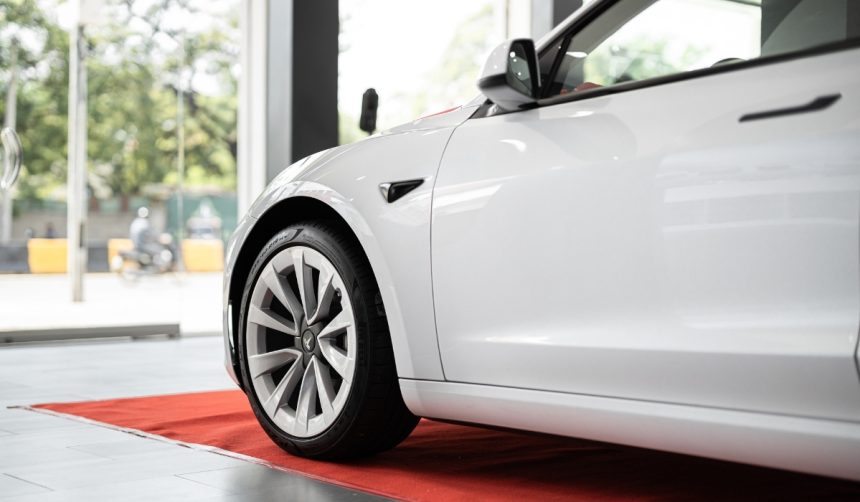

Tesla’s validation testing with Model S vehicles equipped with LiDAR technology in California has caught the attention of industry observers. Known primarily for using its Model Y crossover for Robotaxi development, Tesla’s decision to expand testing to the luxury Model S signals possible shifts in its autonomous vehicle strategy. The presence of high-spec Model S units in these trials invites speculation about new offerings targeting consumers seeking more upscale ride-hailing experiences. While previous Robotaxi prototypes relied on the versatility and popularity of the Model Y, this latest sighting prompts questions about Tesla’s direction for its premium segment.
Earlier sightings and reports have focused heavily on the Model Y as the backbone of Tesla’s autonomous and Robotaxi initiatives. The Model Y’s practicality and widespread appeal made it a natural choice for extensive data-gathering worldwide. Unlike today’s California-based Model S tests, most previous Robotaxi tests were observed on the East Coast and involved only the Model Y, rarely venturing into luxury territory or alternative models. This recent development marks not only a technical expansion but also a possible strategy toward diversified market offerings, something not strongly suggested in Tesla’s earlier public activities.
Why Add Model S To Testing Fleet?
The use of the Model S, Tesla’s established luxury sedan, raises questions about broadening the brand’s autonomous service reach. Industry observers suggest that the Model S’s inclusion is not arbitrary but likely reflects a calculated move to assess customer appetite for premium robotaxi services. Model S characteristics—such as interior comfort and advanced features—may appeal to riders accustomed to luxury ride-hailing options, aligning with market categories like Uber Black or Lyft Black.
Does This Hint At A Premium Robotaxi Option?
Introducing Model S to the validation process could indicate Tesla’s aim to offer tiered mobility services. With upmarket ride-hailing growing in popularity, Tesla may seek to position the Model S as an alternative for customers preferring a higher-end travel experience. A company spokesperson commented,
“We continuously test our vehicles and technologies in various configurations to explore all mobility possibilities.”
This testing may help Tesla decide whether a luxury-focused Robotaxi makes sense for their long-term service strategy.
How Could This Impact Tesla’s Broader Fleet?
Expanding the Robotaxi fleet beyond the Model Y would allow Tesla to address a wider customer base. While the Model Y’s functionality suits mass market consumers, the Model S can cater to passengers willing to pay for extra comfort and amenities. CEO Elon Musk has previously shared,
“The Model S and Model X stay in production for both sentimental and strategic reasons.”
Retaining the Model S in insistent development efforts could reinforce its legacy while adapting to new business models in autonomous mobility.
Tesla’s testing of Model S vehicles for LiDAR-based Robotaxi validation marks an interesting divergence from established patterns that solely emphasized the Model Y. If Tesla chooses to formally introduce a premium Robotaxi class, the company’s approach will potentially mirror other mobility platforms that segment service by comfort and price. Monitoring future Model S deployments, especially in urban centers with high demand for executive transportation, could reveal how robustly Tesla pursues this potential offering. For customers, this means a wider choice and possibly a higher price point for autonomous rides, giving Tesla a competitive edge in both mainstream and niche markets. The move also suggests Tesla remains responsive to evolving consumer expectations around customization and comfort in shared mobility. For those following autonomous vehicle advancements, the integration of different Tesla models could illustrate the brand’s adaptive strategy and awareness of emerging mobility trends.