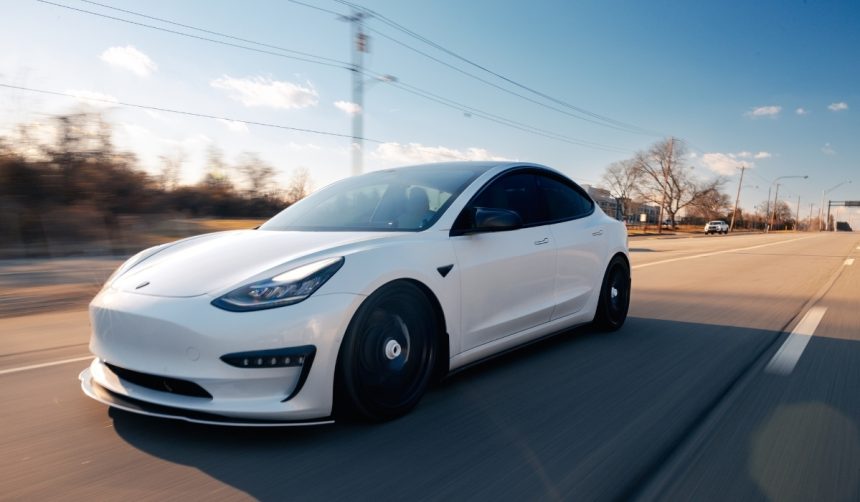

Tesla‘s latest software update has hit vehicles, bringing Full Self-Driving (Supervised) v14.2.2 to select customers. This new version is intended to deliver more accurate driving behaviors, specifically in complex traffic scenarios and arrival precision. Early user experiences suggest the update offers an improved sense of real-time adaptability compared to earlier releases. Some drivers have reported subtle but meaningful differences in everyday navigation, reflecting ongoing efforts in software refinement at Tesla.
Previous updates such as FSD v14.1 and v14.2.1.25 focused largely on expanding neural network capabilities and offering enhanced assistance in traffic handling, including better visualization of surroundings and incremental improvements in driver feedback. Public feedback indicated that while those iterations brought minor changes, frustration persisted around reliability and accurate response to emergency vehicles or unpredictable human gestures. The current v14.2.2 rollout appears to consolidate these changes while responding to specific criticisms, such as smoother end-of-trip routing and camera maintenance automation.
What Distinguishes the FSD v14.2.2 Update?
The v14.2.2 update introduces a higher-resolution vision encoder, which is designed to more accurately identify obstacles, emergency vehicles, and gestures from people nearby. The software also now allows for Arrival Options, letting drivers specify their preferred drop-off type, such as Street, Driveway, Parking Garage, or Curbside, with dynamic navigation pin adjustments. The update offers improved handling during emergency stops and detours, aiming to reduce driver intervention even in complicated driving environments. Tesla adds that vehicle behavior, such as pulling over for police or ambulances, has been made more reliable. A company spokesperson explained,
“We are focused on providing drivers with tools to customize arrival and parking experiences directly from the car’s interface.”
What Reliability Improvements Can Drivers Expect?
Tesla FSD v14.2.2 places a strong emphasis on reliability and seamless recovery from faults. The update includes residue alerts for the front windshield that warn users when the camera view may be impaired, as well as an automatic feature that cleans the narrow field camera — a capability exclusive to the latest 2026 Model Y units. Camera visibility improvements have also led to increased attention monitoring sensitivity, enhancing monitoring of driver engagement. According to Tesla,
“Boosting system reliability while minimizing driver distraction remains our priority for every release.”
Saved FSD usage statistics under Controls > Autopilot make it easier for users to review their driving experiences, supporting better awareness of their interactions with the system.
How Is Driving Behavior Customized in This Release?
Beyond reliability and perception improvements, this update introduces custom Speed Profiles for drivers who prefer specific driving styles, ranging from cautious to more aggressive. The system is also better equipped to handle static and dynamic gates and road debris, such as tires or branches. The intent is to provide a smoother ride and improved handling in scenarios including unprotected turns, lane changes, and school bus encounters. These enhancements are part of Tesla’s gradual expansion of user-facing controls without reducing the fundamental need for human supervision. Upcoming refinements target overall smoothness and parking spot selection quality, signaling Tesla’s iterative approach to FSD development.
The technology powering FSD continues to develop, yet driver feedback hints at continuing gaps between expectations and reality. Earlier updates were praised for incremental progress but often criticized for limited situational awareness. The latest round of upgrades demonstrates Tesla’s responsiveness to customer feedback, especially in tackling camera visibility and destination precision. With competing automakers also accelerating their driver-assistance offerings, Tesla’s FSD progress is being closely watched by both customers and industry analysts. For those considering advanced driver aids, firsthand trial and attentive review of each update’s performance remain critical. Staying informed on specific usability improvements—like customizable arrival, emergency-handling, or cleanliness automation—helps owners set realistic expectations and maximize safe use of such technologies.