
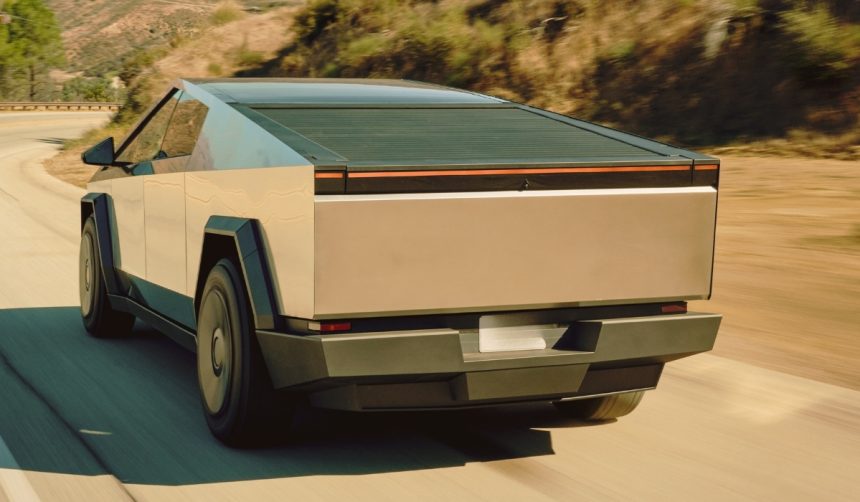

A late-night fire disrupted a Tesla dealership in Mesa, Arizona when a deliberate act of arson destroyed a Tesla Cybertruck and risked the safety of first responders. The incident led to a federal criminal investigation and a prosecution that underscored growing concerns about politically motivated attacks on businesses. Community members and authorities expressed unease about the impulse behind the act, while the dealership faced material losses and reputational impact. Observers noted the severity of the event, which placed property, people, and public trust at risk.
Recent articles about Tesla locations have largely focused on vehicle launches, software updates, or occasional vandalism, but reports of arson tied to political motives remain rare. There has been coverage of vandalism against electric vehicle infrastructure, but those episodes typically resulted in lower-profile charges or civil penalties, rather than federal arson convictions. The destruction of the Tesla Cybertruck marks the first known politically-motivated arson at a Tesla dealership to reach a mandatory multi-year federal sentence and prompts renewed scrutiny of security at high-profile automotive businesses.
Why did federal court impose a five-year sentence?
U.S. District Judge Diane J. Humetewa sentenced Ian William Moses, 35, to five years in federal prison, followed by three years of supervised release. The court cited the use of fire to destroy property as well as the risk posed to first responders as central factors in the sentencing decision. After pleading guilty to malicious damage by fire and other offenses, Moses awaits a restitution decision scheduled for April 2026.
How did investigators link the suspect to the incident?
Surveillance cameras reportedly captured Moses entering the dealership with a gasoline can, starting logs, and a backpack before igniting the fire that destroyed the Tesla Cybertruck. Police apprehended Moses about a quarter mile from the scene within an hour of the fire, still in possessions described in footage and with a hand-drawn map pinpointing the dealership. Authorities also noted that Moses spray-painted a misspelled word on dealership walls, which became a subject of online commentary.
What statements have officials released about the case?
“Arson can never be an acceptable part of American politics. Mr. Moses’ actions endangered the public and first responders and could have easily turned deadly. This five-year sentence reflects the gravity of these crimes and makes clear that politically fueled attacks on Arizona’s communities and businesses will be met with full accountability.”
U.S. Attorney Timothy Courchaine spoke to the seriousness of the crime and community safety concerns. Maricopa County Attorney Rachel Mitchell emphasized that personal views do not justify criminal actions, adding:
“This sentence sends a clear message: violence and intimidation have no place in our community. Setting fire to a business in retaliation for political or personal grievances is not protest, it is a crime. Our community deserves to feel safe, and this sentence underscores that Maricopa County will not tolerate political violence in any form.”
As scrutiny over safety and security at auto dealerships increases, the outcome of this case may influence not only Tesla, but other brands such as Ford, Rivian, and Lucid that debut high-profile electric vehicles. Dealerships may further evaluate their surveillance protocols and emergency response plans. Those following the expanding adoption of electric vehicles in the United States may also look more closely at how these businesses address both routine hazards and targeted attacks. Regardless of individual opinion about Tesla or its leadership, courts are signaling that criminal responses to political frustrations will result in substantial sentences and publicized courtroom consequences.