
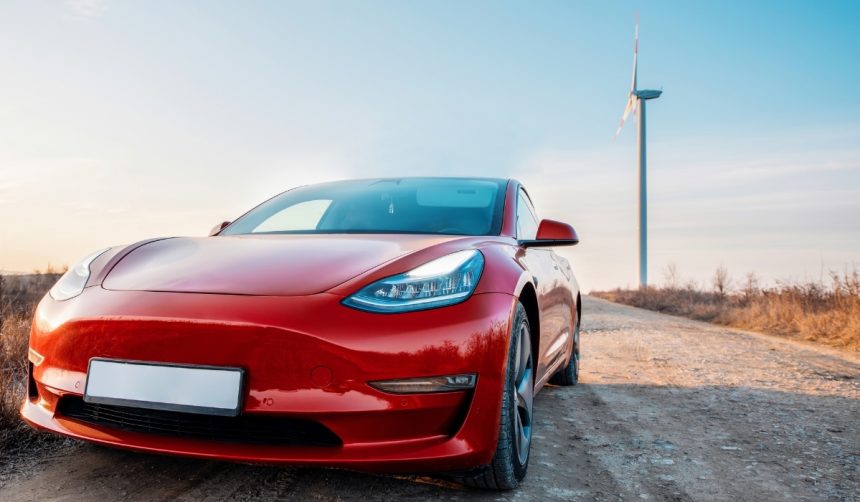

Tesla’s focus on customer retention and conquest strategies has drawn significant attention in the industry during the latest S&P Global Mobility Automotive Loyalty Awards. The electric vehicle manufacturer’s approach to engaging new buyers and maintaining the loyalty of existing ones has come under the spotlight, especially as car buyers weigh their options in a fiercely competitive market. The Model 3 and Model Y, as Tesla’s bestselling products, play a pivotal role in these results, and the company’s performance may encourage competitors to reconsider their own strategies for building customer loyalty.
Award recipients in previous years often rotated among established automakers, with brands like Ford and General Motors earning top loyalty honors for their broad vehicle lineups and deep customer bases. Tesla’s sustained performance with a much narrower product range presents a notable shift. The recent results highlight how targeted offerings and strong brand identity can compete with longer-standing traditions of loyalty in American automotive culture.
How Did Tesla Achieve High Loyalty Scores?
S&P Global Mobility based its awards on an extensive review of over 13 million new retail vehicle registrations in the United States between October 2024 and September 2025. A key factor in Tesla’s win is customer behavior toward repeat purchases, reflecting a notable trend in buyers returning to the brand. Retention has been a focus point, as consumers are now more likely to stick with brands they trust, especially when alternative options are plentiful. The report noted,
“For 30 years, this analysis has provided a fact-based measure of brand health, and this year’s results are particularly telling.”
What Role Do Ethnic Markets Play?
Tesla’s performance features a strong presence among Asian and Hispanic consumers. Loyalty rates of 63.6% for Asian households and 61.9% for Hispanic households surpassed industry averages, underlining Tesla’s effectiveness at appealing to diverse segments. Such figures suggest a resonance with some demographic groups that could influence market positioning for future competitors. High retention in these markets coincides with rising adoption rates for electric vehicles among multiethnic buyers.
Why Does Conquest Remain Critical?
Attracting customers from competing brands earned Tesla the “Highest Conquest Percentage” for the sixth year in a row. Even with a more focused product portfolio centered on the Model 3 and Model Y, Tesla managed to draw buyers away from established legacy brands. S&P Global Mobility’s president, Joe LaFeir, commented,
“The data shows the market is not rewarding just one type of strategy. Instead, we see sustained, high-level performance from manufacturers with broad portfolios.”
This points to the adaptability and competitive pressure now defining the automotive sector.
S&P Global Mobility’s analysis found an increasingly narrow margin for customer loyalty gains across the industry. Automakers with extensive portfolios are typically recognized for loyalty, yet Tesla’s ability to repeat wins with a streamlined offering indicates shifting market dynamics. The recognition for both loyalty and conquest metrics reflects the company’s growing presence, even as overall customer choices remain varied and nuanced.
For readers and industry observers, the takeaway is that customer loyalty is evolving, with brand loyalty being influenced not just by the breadth of offerings, but also by the depth of connection brands maintain with their owners. Data shows that while traditional factors such as model range and legacy reputation are important, direct engagement with diverse consumer groups can help manufacturers secure a vital competitive edge. Automakers aiming for growth may need to enhance their understanding of evolving buyer priorities and focus on experience-driven retention strategies. Market trends now indicate that both stability and targeted outreach shape long-term loyalty and acquisition alike.