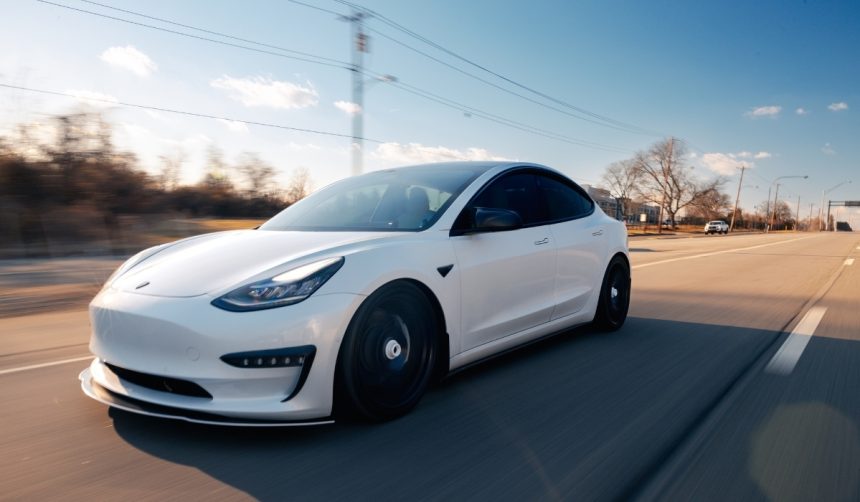

Canadian consumers may soon notice a wider range of electric vehicles available as recent trade policy changes allow Chinese-made vehicles—particularly those from Tesla—to re-enter the Canadian market. This development follows the removal of a 100% tariff previously imposed on Chinese EV imports, clearing the way for Tesla to leverage its Shanghai Gigafactory’s production capacity for Canadian destinations. Industry observers suggest that Tesla’s agile manufacturing and established Canadian retail network set the brand apart as markets adjust to new import regulations. Although the updated tariff system introduces certain price thresholds, market responses remain mixed as both lawmakers and industry leaders monitor the influence on Canadian automotive buyers and the broader EV sector.
Canada’s evolving approach toward Chinese electric vehicle imports marks a shift from earlier protectionist policies that entirely halted China-based shipments to Canadian ports. Until the recent decision, only vehicles built in the United States or Europe could enter Canada without significant tariffs, prompting Tesla to rely on its Fremont and Berlin factories for Canadian deliveries. Older projections warned of reduced model choice and slower EV adoption during the tariff period, yet the new rules might restore supply, even if price brackets still restrict certain models.
What Do New Import Rules Mean for Tesla in Canada?
Under the freshly revised US–Canada trade agreement, the government will now permit up to 49,000 vehicles annually from China at a 6.1% tariff, with a forecasted increase to 70,000 vehicles over five years. Fifty percent of this yearly quota is reserved for vehicles costing under CAD 35,000. Tesla’s current Canadian lineup, including the Model Y produced at Giga Shanghai, exceeds this price cap but could eventually adjust offerings to comply. A Tesla representative noted,
“We are monitoring the Canadian market closely to determine how best to meet local demand given the new import framework.”
How Did Tesla Prepare for Renewed China-to-Canada Exports?
Tesla had previously equipped its Shanghai facility to build a version of the Model Y compliant with Canadian specifications. In 2023, this enabled shipments from China to Canada, resulting in a year-over-year surge of 460% in China-made Tesla deliveries through Vancouver. Following the imposition of steep tariffs in 2024, Tesla redirected supplies from its U.S. and European factories, but the tariff revision makes a quick return of Shanghai-built vehicles likely. According to Tesla,
“Our flexible production approach allows us to redirect vehicles quickly to meet regulatory changes in international markets.”
Are Other Chinese Brands Likely to Benefit or Face Barriers?
While the rule change presents broader opportunities for Chinese automakers, Tesla holds distinct advantages because it already has 39 retail locations across Canada. In contrast, rivals such as BYD and Nio do not currently maintain a direct Canadian presence, complicating immediate access to the reopened market. Additionally, Tesla’s relatively minimalistic product portfolio, featuring the Model Y, Model 3, Model S, Model X, and the Cybertruck, provides marketing and logistics agility compared to companies with broader lineups.
The strategic decision to enable imports of Chinese-made vehicles under controlled quotas builds on various policy experiments observed internationally, especially in regions attempting to balance domestic manufacturing with EV affordability and consumer choice. Canada’s shift comes at a time of heightened global competition in the EV market, with observers paying close attention to not only the influx of new models but also the impact on pricing and market dynamics. For buyers, the reintroduction of China-built Tesla vehicles could offer shorter wait times and potentially more competitive pricing once supply chains adjust. Meanwhile, policymakers will likely continue tweaking quotas and tariffs as the market response unfolds, seeking a balance between protecting domestic industry and expanding options for zero-emission mobility.