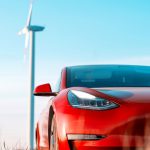
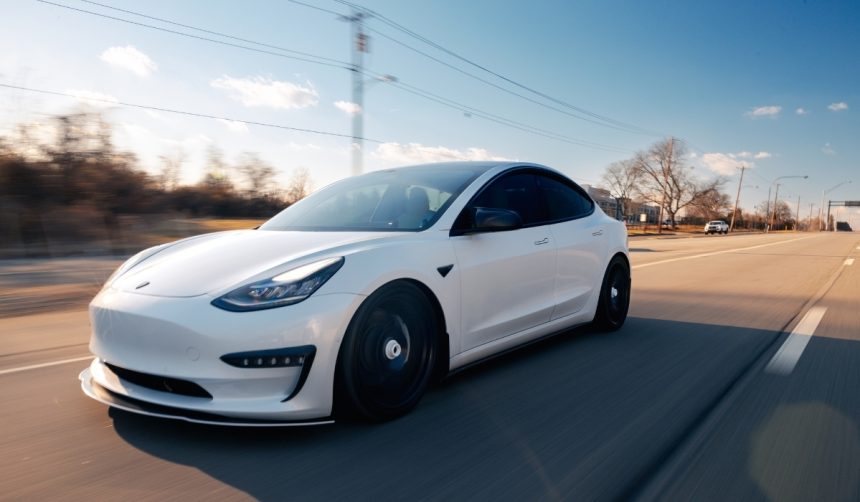

Residents in Austin recently encountered a new chapter in transportation as Tesla officially introduced public Robotaxi rides with no Safety Monitor in the vehicle. The service, offered with the Model Y Robotaxi, now gives passengers the opportunity to experience entirely unsupervised autonomous rides. Early user reports suggest a seamless onboarding process, with the ride-hailing experience mirroring conventional app-based bookings but lacking any human attendant aside from the passenger. This rollout marks the first instance that Tesla has extended such a service to members of the public, signaling a possible shift in the acceptance and operational reality of autonomous vehicles in urban environments.
Previous reports about Tesla’s Robotaxi efforts discussed extensive testing phases and a more cautious approach, with Safety Monitors consistently occupying the passenger seat to take control in emergencies. Until now, even pilot programs and expansions in other regions such as the Bay Area required human oversight. The removal of the Safety Monitor for the public offering marks a significant escalation in Tesla’s confidence and technical assurance compared to earlier, limited-access tests, reflecting the company’s growing faith in its Full Self-Driving (FSD) technology.
Which Areas Still Use Safety Monitors?
Elsewhere, such as California’s Bay Area, Tesla continues to deploy Safety Monitors in their Robotaxi fleet, typically positioned behind the wheel, to oversee system performance and intervene if needed. This approach allows Tesla to maintain close supervision over the Full Self-Driving system’s public performance in regions where regulatory or operational constraints differ. Tesla’s willingness to maintain this two-tiered system provides the company with important data from both supervised and unsupervised settings.
How Does Tesla Select Vehicles for Unsupervised Service?
Tesla has begun integrating a limited number of unsupervised Model Y Robotaxis into its broader Austin fleet, with most vehicles still monitored by a Safety Operator. According to Ashok Elluswamy, Head of Tesla Autopilot Software, the current unsupervised option is only available in a subset of vehicles, and this ratio will grow over time.
“Robotaxi rides without any safety monitors are now publicly available in Austin,”
he stated, adding that the availability will gradually expand. The phased rollout helps address potential safety and operational issues as Tesla scales up.
What Impacts and Challenges Accompany Driverless Robotaxis?
The full transition to a Safety Monitor-free Robotaxi represents both a technological and social challenge. Passengers encounter a driverless ride experience, depending solely on Tesla’s FSD software to navigate the complex city environment. This move pushes forth new questions about safety, regulatory approval, public trust, and insurance, prompting industry observers to watch how other cities and companies respond.
“Starting with a few unsupervised vehicles mixed in with the broader robotaxi fleet with safety monitors, and the ratio will increase over time,”
Elluswamy explained, hinting at a measured, data-driven expansion strategy.
These developments distinguish Tesla’s Robotaxi program from competitors with their approach to public rollouts and technological risk management. The cautious phased integration of unsupervised vehicles reflects earlier strategies seen in pilot tests, but now Tesla emphasizes public availability, scalability, and lessons learned from monitored operations. With ambitions to introduce the service in more cities throughout the United States, Tesla’s experience in Austin will likely inform future deployments and shape regulatory discourse. For readers, real-world trials like this provide essential insights into the pace and reliability of autonomous vehicle adoption, as well as the evolving implications for urban mobility and transportation safety standards.