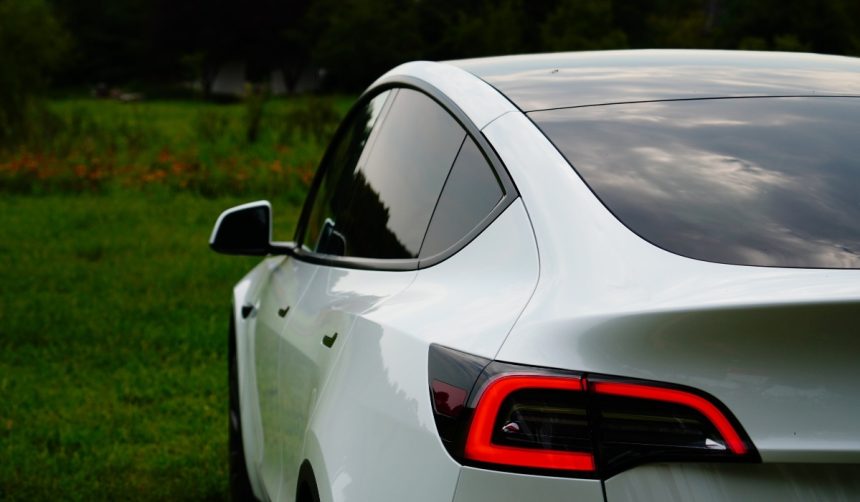

Tesla has revised its standard feature list for vehicles in the United States by removing the basic Autopilot package from new car orders. Customers now receive only Traffic Aware Cruise Control as part of the default offering. The update narrows the company’s standard driver assistance options and highlights an increased emphasis on Full Self-Driving (FSD) as a subscription service. This adjustment comes as Tesla continues to seek ways to differentiate its FSD technology as an exclusive, pay-to-use platform, pushing drivers toward monthly payments rather than bundled features. Several buyers have voiced concerns over safety and value, especially in light of competitive offerings from other automakers.
Previously, Tesla included Autopilot as a default across most of its vehicles, blending features like lane-centering and Autosteer into its appeal. Similar shifts have occurred globally with Tesla streamlining available features and pushing advanced functionalities behind a paywall. Recent announcements and community feedback reveal ongoing customer frustration, a dynamic reminiscent of Tesla’s earlier software pricing decisions, which often provoked debates over value and accessibility. As rivals continue to install comparable features, including lane-keeping and adaptive cruise control, in their vehicles at no extra cost, Tesla’s decision stands in stark contrast to prevailing industry trends.
What Does the Autopilot Change Mean for New Tesla Owners?
With the standard Autopilot package now removed, buyers lose access to lane-centering and Autosteer without purchasing upgrades or subscriptions. Only Traffic Aware Cruise Control comes standard. The change alters the expected safety and assistive tech baseline, particularly when comparing Tesla to brands such as Toyota which still offer advanced driver-assist features as part of base trims. Some Tesla owners and observers have described the change as a step back in accessibility for essential systems.
How Will Full Self-Driving Subscription Pricing Evolve?
Elon Musk has publicly indicated that the cost for FSD subscriptions is set to increase in the near future as the software’s features become more advanced. The monthly rate, currently at $99, is not expected to remain static as unsupervised driving capabilities are introduced, shifting the subscription’s perceived value.
$99/month for supervised FSD will rise as FSD’s capabilities improve.
Customers who have been considering a one-time FSD purchase face a deadline; Musk confirmed this outright buy option will be discontinued, cementing the push toward subscription-only access.
How Are Customers Reacting to the Changes?
Many existing and prospective Tesla owners have criticized the company’s move, particularly as it differs from what competing electric and gas vehicles offer at base prices. Some argue that stripping away previously standard safety and convenience functions may impact purchase decisions, especially among buyers who relied on those features.
The massive value jump is when you can be on your phone or sleeping for the entire ride (unsupervised FSD).
As automakers redefine standard technology packages, consumer expectations for what should be included by default are quickly evolving.
Tesla’s latest move reflects a broader industry discussion about subscription-based access to automotive technology. While some automakers have previously tested models where heated seats and other amenities are also locked behind software paywalls, few have done so with safety-critical systems like automated steering. For Tesla buyers, these decisions signal a continued pivot toward subscription models as the automaker seeks recurring revenue and ongoing digital engagement with its customer base. As FSD features mature, those seeking advanced automated driving will be required to weigh long-term subscription costs against the benefits of convenience and innovation. Ultimately, this strategy could shape buyer loyalty and spark further debates over the balance between safety, accessibility, and profit in the auto industry.