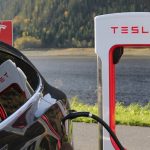

Investors are turning their attention beyond earnings ahead of Tesla’s scheduled report, directing questions toward broader projects such as Robotaxi, SpaceX’s public offering prospects, and the rollout of the Optimus humanoid robot. Instead of dwelling on short-term vehicle sales or profit margins, both retail and institutional shareholders seek clarity on the trajectory of these highly publicized ventures. Speculation mounts as stakeholders consider the implications each initiative could carry for Tesla’s market position and CEO Elon Musk’s leadership across his constellation of companies. As the conversation on Say.com signals a shift in investor priorities, Tesla faces a landscape defined by innovation and public scrutiny. Market observers note that responses to these issues could carry significant weight for the company’s strategic direction in the coming year.
Interest in Tesla’s expansion projects has gathered momentum following earlier announcements of ambitious timelines and milestones for Robotaxi and Optimus. Media coverage over the last year highlighted delays and cautious regulatory environments surrounding autonomous vehicles, while updates on the SpaceX IPO remained guarded. Despite Musk’s longstanding optimism regarding self-driving technology and robotics, rollout schedules have repeatedly encountered technical and logistical barriers, tempering investor expectations. The potential dual listing of SpaceX and its impact on Tesla shareholders has been revisited several times, with discussions frequently centered on equity distribution and cross-company loyalty. The current spike in investor focus signals growing anticipation for more concrete timelines and clearer communication about priorities.
What Drives Investor Curiosity About the SpaceX IPO?
Shareholder questions have targeted the possible IPO of SpaceX, with many voicing concerns about the treatment of long-term Tesla backers if another Musk-led company joins public markets. As SpaceX eyes a valuation that could eclipse even Tesla, worries about management bandwidth and prioritization surface among the investment community. Elon Musk addressed these concerns directly, stating,
“Loyalty is a two-way street and long-term supporters of Tesla will not be forgotten when decisions are made regarding SpaceX’s future.”
The intricate relationship between Musk’s various ventures continues to influence perceptions about Tesla’s growth prospects and leadership focus.
How Are Robotics and Full Self-Driving Shaping Tesla’s Narrative?
Questions about the Full Self-Driving (FSD) software’s readiness remain prominent, as Tesla’s FSD package currently requires driver engagement and only achieves Level 2 autonomy under regulatory standards. The phased deployment of Robotaxi services, currently using human monitoring in selected locations, reflects the challenges of scaling unsupervised vehicle fleets. Tesla’s expansion in this direction relies on both technological progress and regulatory green lights for larger rollouts. Elon Musk reiterated the technical complexity ahead, remarking,
“We’re advancing step by step toward unsupervised FSD, but there are still hurdles on the road to full autonomy.”
What Is the Current Status of the Optimus Robot?
The introduction of the Optimus humanoid robot has also become a source of scrutiny, with investors eager to learn about current deployments and operational impact within Tesla factories. Optimus, initially presented as a key component of Tesla’s long-term plans, will undergo practical training at the company’s Austin Gigafactory, beginning with repetitive or hazardous tasks. Early production volumes are expected to be low, and Musk has acknowledged that complexities in humanoid robotics could keep initial progress slow. The strategic integration of Optimus may bring new efficiencies to manufacturing environments and potentially to consumer markets, provided technical benchmarks are met.
Tesla faces critical junctures in balancing investor expectations with practical realities as it seeks to maintain its market standing amid declining electric vehicle sales. While SpaceX’s potential IPO and the success of Robotaxi and Optimus have the capacity to change market dynamics, tangible outcomes will depend on both technological achievement and regulatory navigation. Shareholders signal a growing preference for multi-faceted business narratives, reflecting confidence in broader company ambitions but also demanding greater transparency and timely delivery. Given the complexity and scale of these projects, close monitoring of progress and candid updates will remain important. For investors and industry watchers alike, understanding the interplay between technological development, regulatory hurdles, and capital market activities provides the best opportunity to anticipate future shifts in Tesla’s trajectory.