
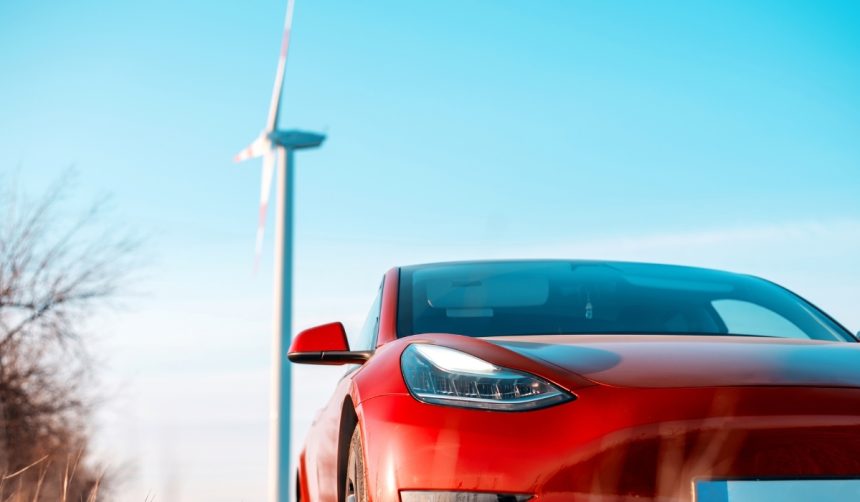

Tesla’s decision to discontinue the Model S and Model X has reignited debates among industry observers, with some voices questioning whether the company is targeting the right vehicles in its lineup. While Tesla intends to reallocate production resources towards developing its Optimus Gen 3 robot and future autonomous vehicles, analysts note that consumer demand and profitability metrics for each model differ significantly. Even as Tesla highlights evolving mobility trends, the shift away from its flagship sedans and SUVs marks a notable departure from its earlier brand identity. With fans and stakeholders closely watching, the decision invites scrutiny over which models best align with Tesla’s mission and market performance.
Does Cybertruck’s Sales Performance Justify Its Place?
Cybertruck stands out as the best-selling electric pickup despite lower-than-expected overall sales and limited volume—recording about 10,000 units sold in the last year. Its sales figures appear modest in light of Tesla’s production capabilities, especially when compared to the combined 30,000 units of the Model S and Model X, both of which have built consistent brand loyalty and bring strong profits to the company. Analyst Gary Black argues this imbalance in performance should prompt a reconsideration of Tesla’s priorities.
“IMHO it’s a mistake to keep Tesla Cybertruck which has negative brand equity and sold 10,000 units last year, and discontinue S/X which have strong repeat brand loyalty and together sold 30K units and are highly profitable.”
How Do Tesla’s Plans Impact Its Legacy Models?
CEO Elon Musk recently confirmed Tesla’s intent to transition the Fremont Factory’s Model S and Model X lines to support Optimus Gen 3 robot initiatives, effectively winding down these iconic vehicles. The move signals Tesla’s engagement with newer mobility trends, including the rise of autonomy through models like the Model 3, Model Y, and the upcoming Cybercab. Musk stated the larger vehicles have moved away from the company’s new strategic priorities, as ride-share demands across major cities tend to favor smaller vehicles.
“It was time to wind down the S and X programs ‘with an honorable discharge,’ as they are not major contributors to Tesla’s mission any longer,”
Musk explained.
What Arguments Shape the Future of Model S, X, and Cybertruck?
Debate continues among Tesla enthusiasts and investors. Some are concerned by the retirement of the Model S and Model X, both of which defined Tesla’s status as a luxury EV manufacturer. Critics contend that the Cybertruck’s unique design and slower sales could make it a riskier bet in contrast. Nevertheless, company leadership emphasizes a strategic pivot toward local goods transport and autonomy for the Cybertruck, claiming it fits Tesla’s roadmap for future urban infrastructure. Fans and industry experts remain divided over the long-term implications of discontinuing the company’s largest models.
While the Model S and Model X have periodically faced production pauses and rumored cancellations, Tesla consistently opted to update and relaunch them to coincide with new technology rollouts and design improvements. Past analyses of Tesla’s portfolio have frequently championed these models for their branding, luxury status, and technological advancements, often suggesting sedan and SUV segments secure broader profit margins than niche vehicles like the Cybertruck. Recent developments contrast earlier approaches by focusing corporate attention on robotics and automated ride-sharing, moving away from the traditional premium vehicle market that defined Tesla’s early years.
Evaluating Tesla’s current direction reveals a deliberate departure from luxury sedans and SUVs toward products catering to future autonomy and local logistics. For consumers and investors interested in understanding these shifts, the decision reflects larger industry pressures as manufacturers reshape their lineups for emerging trends in self-driving capabilities and urban mobility. While opinions remain split over whether the Cybertruck or the legacy Model S and Model X serve Tesla’s goals best, historical sales data and consumer loyalty figures provide important context for assessing these moves. Industry followers will benefit from monitoring product adaptation strategies, profitability trends, and Tesla’s ongoing engagement with both mainstream and specialized markets.