
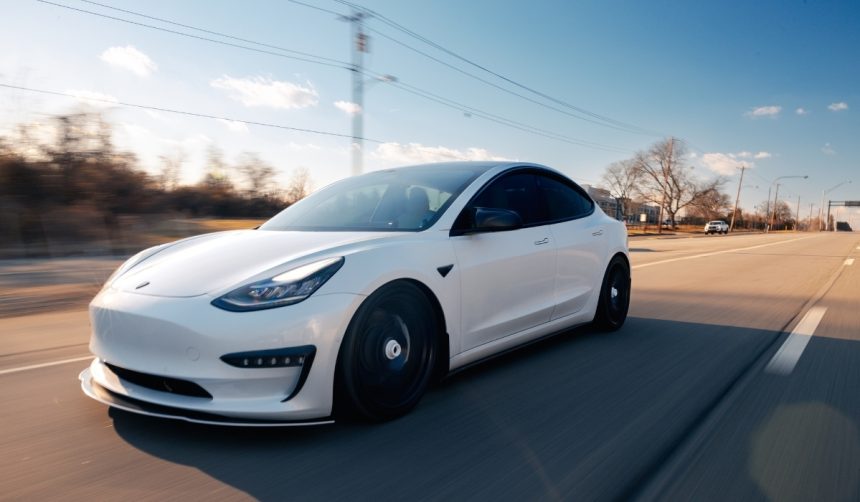

Tesla recently introduced a new All-Wheel-Drive configuration for its Model Y in the United States, now offering buyers five distinct versions of the electric crossover. This expanded selection comes during a period of rapid change at Tesla, marked by the company’s shift in focus away from its flagship Model S and Model X. With growing consumer interest in electric vehicles and accelerated competition in the EV sector, the addition of another affordable Model Y is noteworthy for shoppers evaluating their options. The move strengthens Tesla’s presence in the mid-priced electric SUV market while simultaneously responding to evolving production priorities.
Prior updates saw Tesla maintain only three or four Model Y variants at any given time, with higher-priced options such as the Model S and Model X receiving regular hardware and software improvements to justify their premium tags. Fewer choices and a limited emphasis on budget-friendly configurations characterized Tesla’s approach before. Compared to earlier updates, the current launch signifies an intensified effort to diversify the Model Y lineup, aligning product availability more closely with consumer demand for accessible models as competitors introduce their own entry-level EVs.
What Distinguishes the Latest Model Y Addition?
The newly launched Model Y All-Wheel-Drive is priced at $41,990 and delivers an estimated range of 294 miles per charge, a top speed of 125 miles per hour, and can accelerate from 0 to 60 miles per hour in 4.6 seconds. This configuration becomes the second-most affordable Model Y in the US market, narrowly positioned above the Model Y Rear-Wheel-Drive. Tesla addressed questions about the vehicle’s positioning and specifications:
“Providing more options within the Model Y family remains central to our vision for broader adoption of electric vehicles,”
a company spokesperson said.
How Does the New Version Fit Into Tesla’s Broader Strategy?
The launch follows CEO Elon Musk’s announcement regarding the end of Model S and Model X production to create capacity for projects such as the Optimus robot at Tesla’s Fremont facility. The decision to focus on the Model Y, along with the Model 3 and the upcoming Cybercab, signals Tesla’s intent to consolidate its portfolio around popular, scalable platforms. Diversifying the Model Y’s configurations may help retain existing customers and attract new ones in the face of discontinued models. The company added,
“With five Model Y variants, we are aiming to meet a wider range of customer expectations within a single product family.”
How Are Consumers and Analysts Responding to the Change?
Industry analysts have noted that not all Tesla fans are satisfied, as the refreshed Model Y does not directly replace the larger vehicles some families preferred. There is anticipation within the Tesla community for an even roomier SUV, which, for now, remains unaddressed. However, Tesla’s public commitment to advancing autonomy and future ride-hailing services puts the spotlight on the more practical and mass-market Model Y, Model 3, and upcoming Cybercab. The Cybertruck continues to serve a niche segment focused on local and utility needs.
Tesla’s expansion of the Model Y offerings, contrasted with recent discontinuations, underscores the manufacturer’s dedication to flexibility in its product lineup. For consumers, the addition of the Model Y All-Wheel-Drive means more affordable options with varied performance levels and drive configurations—essential considerations as the electric vehicle market matures. For potential buyers comparing brands, a diversified lineup such as Tesla’s provides an opportunity to select models tailored to individual needs, without committing to luxury price points or features that are not essential. Those interested in a future ready for self-driving technology may find Tesla’s focus on adaptability particularly relevant as the automotive landscape shifts towards autonomy and shared mobility.