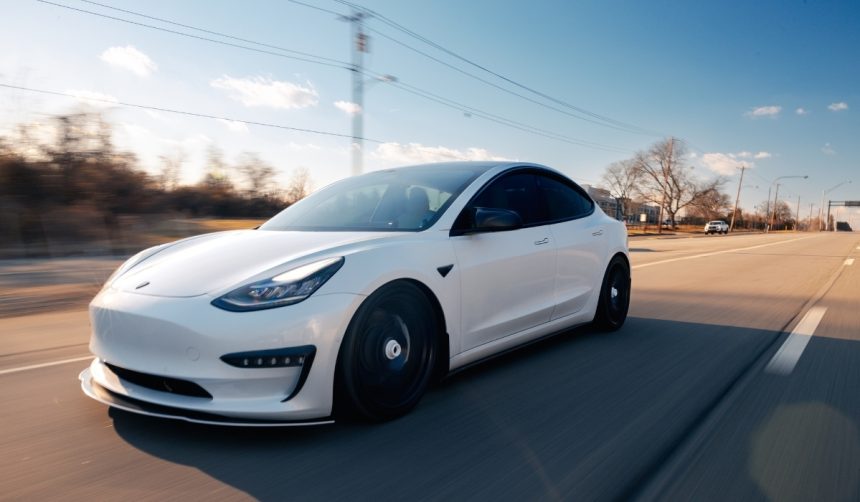
Tesla’s decision to shift its Full Self-Driving (FSD) capability exclusively to a subscription payment model is drawing considerable attention from current and prospective owners. On February 14, the automaker will discontinue the option to buy FSD outright, which is currently priced at $8,000. After this date, only the monthly subscription, presently set at $99, will be available. This change will affect both the financial accessibility for new users and the long-term cost considerations for existing customers. Some customers are evaluating whether this transition aligns with their driving needs and budgets, particularly as price guidance for future subscriptions remains uncertain.

Several months ago, Tesla reduced the Full Self-Driving outright purchase price from its former $15,000 figure, suggesting a strategic shift toward broader adoption. At that time, Tesla’s offer of both one-time purchase and subscription appealed to a wider range of customers. Unlike the present move, there was earlier speculation about tiered pricing and feature selection, but no official implementation occurred. Now, with the outright purchase ending, Tesla faces both support and dissent from its user community. This transition amplifies ongoing debates about the value and cost-effectiveness of FSD services within the broader electric vehicle market.
What Will Happen When Tesla Ends One-Time FSD Sales?
Closing the one-time payment option means customers interested in FSD must now pay monthly. For some, this offers lower entry costs and increased flexibility, while others worry about recurring expenses over time. The lack of an option for true ownership, combined with the potential for future price increases, is shaping user sentiment. Tesla has not yet provided clear details on how these prices might develop, leading to some uncertainty among buyers.
What Are the Possible Benefits and Drawbacks of This Shift?
On the positive side, a subscription model lowers the financial barrier for entry, which could result in a higher adoption rate. Recurring subscriptions also provide Tesla with steady revenue. Explaining the rationale behind this change, the company commented,
“We are making Full Self-Driving easier to access for more users.”
However, customers face certain disadvantages: those who planned to keep FSD long-term may end up paying more over time, and the lack of a permanent license can impact vehicle resale values.
Will Tesla Introduce More Flexible FSD Pricing Options?
There is speculation that Tesla could introduce a tiered FSD system, enabling customers to select only the features they want. Although not confirmed, this approach could accommodate those concerned about higher monthly fees. Current FSD subscription estimates suggest about 12 percent of eligible Tesla owners have opted in, a figure the company aims to increase significantly. CEO Elon Musk has expressed a target for 10 million active FSD subscriptions, stating,
“Our aim is to make autonomous driving more widely available through flexible options.”
The potential for additional pricing tiers may be announced soon should demand and feedback justify it.
As Tesla continues altering its product strategy, it navigates both increased adoption incentives and criticism regarding product ownership and future pricing uncertainty. Subscription-based models in the automotive tech space are not new, but their acceptance often depends on the perceived long-term value to users. For buyers, evaluating FSD may now involve regularly reassessing the cost-benefit versus their driving habits and plans for ownership duration. Those purchasing used Teslas will need to verify how FSD status transfers under the new policy. As details emerge about potential tiered pricing and future enhancements, staying informed will help customers make educated decisions about their investments in semi-autonomous capabilities.