
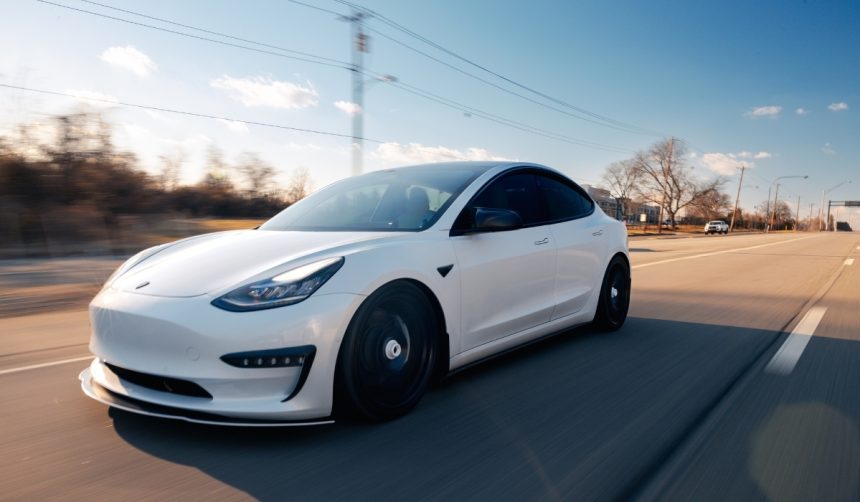
European drivers continued to favor the Tesla Model Y in 2025, keeping it at the top spot among electric car models. This occurred even as consumer sentiment around Elon Musk fluctuated and the electric vehicle market grew increasingly competitive. Tesla’s ability to retain Model Y’s popularity, despite a notable dip in overall registrations and a transition to an updated model, invites a closer look at the dynamics of the region’s evolving EV landscape. Some buyers cite affordability, while others appreciate the widespread service network Tesla has built in major European markets.

Compared with previous years, the Model Y’s dominance in Europe has faced mounting pressure from expanding lineups at Volkswagen and other established brands. Volkswagen’s surge, particularly with the introduction of the ID.7, marks a shift from recent trends when Tesla regularly led both model and brand sales. In the past, Tesla saw consistent growth and received less pushback related to leadership or brand sentiment. Now, intensified competition and broader industry participation have gradually eroded the significant lead Tesla once held, leading to a more diverse electric vehicle marketplace.
How Did Model Y Stand Out In a Shifting Market?
The Tesla Model Y secured 149,805 registrations in Europe in 2025, outpacing all other electric models by a large margin. Although its year-over-year registrations fell by 28%, the Model Y managed to maintain a commanding sales gap of over 50,000 units above the second-place Skoda Elroq. The vehicle’s performance is especially remarkable given that production changes and delivery delays occurred during the shift to the updated Model Y.
Why Did Volkswagen Overtake Tesla in Brand Sales?
Volkswagen emerged as Europe’s leading EV brand in 2025, delivering 274,278 electric vehicles—a 56% jump from the previous year. The introduction of new models, especially the Volkswagen ID.7, contributed significantly to this growth, while Tesla’s sales volume fell by more than a quarter in the same timeframe. In the rankings by individual models, however, both the Model Y and Model 3 retained prominent positions. JATO Dynamics described the competitive landscape:
“Tesla’s small and aging model range faces fierce competition in Europe, both from traditional European automakers and a growing number of Chinese competitors.”
What Drove Changes Among Other Top EV Models?
Besides the Model Y and the Volkswagen lineup, the market welcomed gains from brands like Skoda, Renault, and BMW, signaling broader consumer interest. The Skoda Elroq achieved 93,870 registrations, and the Renault 5 also reached top rankings. Many of these models benefited from new launches or significant upgrades introduced in 2024, indicating that buyers in the region value both established and emerging options. The Model 3’s 24% decline hints at the challenges Tesla faces in maintaining momentum across its product range.
Despite disruptions from production transitions and ongoing debates about its CEO, Tesla’s Model Y remained on top in the model-specific charts. Anti-Elon Musk sentiment was reported across several European countries, affecting consumer perceptions, yet buyers continued choosing the Model Y in significant numbers. Tesla commented on its performance, stating,
“Our commitment to supporting European EV adoption remains unchanged, even as the competitive landscape evolves.”
European buyers’ preferences for electric vehicles are evolving alongside a fast-changing market, where both traditional manufacturers and new entrants are rolling out a variety of appealing options. Tesla’s Model Y, despite declining yearly figures and market headwinds, sustained its position as the top-selling EV model in Europe, underlining the continued demand for the brand’s crossover. Volkswagen’s broader model range and strong delivery growth reflect a significant shift in buyer loyalty and options available. For those considering an EV purchase, it is increasingly important to compare total cost of ownership, aftersales support, and technological features. With expanding choices and dynamic brand landscapes, buyers can expect fierce competition to drive further innovation and focus on consumer needs within Europe’s electric vehicle sector.