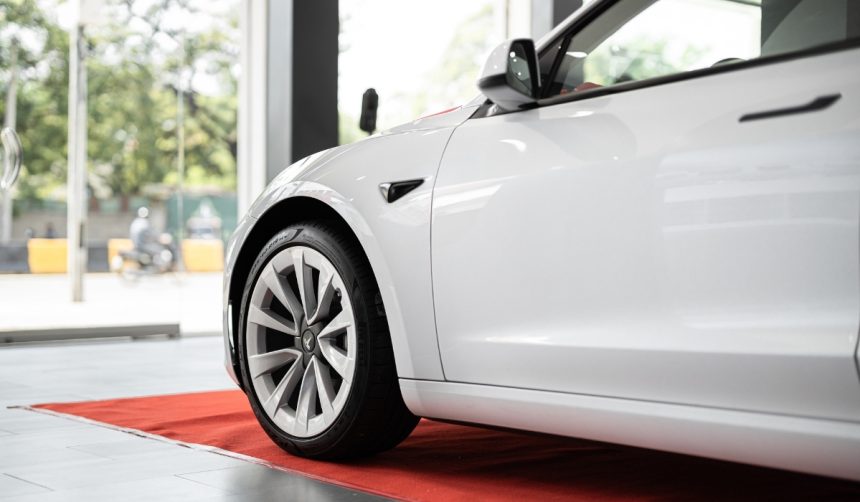
Tesla has initiated recruitment for an Autopilot Test Engineer in Shanghai, signaling a renewed commitment to bringing its Full Self-Driving (FSD) capabilities to the Chinese market. The position is situated in Lingang, an area recognized for hosting Tesla’s significant facilities, including Gigafactory Shanghai, and serving as a central testing ground for advanced vehicle autonomy. Industry observers view this move as a practical step in advancing local expertise needed for the regulatory and operational demands specific to autonomous vehicle deployment in China. As Tesla strengthens its local team, expectations are rising among both technology specialists and prospective customers about the pace and scope of FSD development tailored to Chinese driving environments.

When Tesla first began testing advanced driver assistance features in China, it faced a regulatory landscape highly cautious about foreign automakers operating autonomous vehicles on public roads. Previously, only a select number of companies were allowed such trials, with stringent government oversight dictating access and data handling. Recent signals of more accommodating regional permissions and infrastructure support reflect a more active local partnership aiming to integrate Tesla’s FSD technology within city planning and traffic management systems. Compared to previous years, greater transparency in test procedures and enhanced coordination with municipal authorities are now evident, aligning with changes in local policy towards intelligent transport solutions.
What Drives Tesla’s FSD Push in China?
Tesla’s ongoing efforts appear guided by the ambition to secure full regulatory approval while customizing FSD for China’s unique traffic and road culture. The hiring of a dedicated Autopilot Test Engineer comes as Tesla deepens engagement with local stakeholders, recognizing specific requirements in infrastructure, data security, and operational safety. Experience from the Lingang testing zone suggests Tesla is refining its verification processes to address the challenges of China’s densely populated urban areas and local driving habits. In commentary to domestic media, Tesla China Vice President Grace Tao emphasized ongoing infrastructure development, saying,
“We have set up a local training center in China specifically to handle this adaptation.”
How Do Local Authorities and Tesla Respond to Regulatory Hurdles?
Municipal governments in Shanghai, notably the administration of Nanhui New City, have recently authorized controlled on-road testing for Tesla vehicles, a move suggesting increasing trust in Tesla’s approach to autonomous validation. While Tesla still awaits unrestricted commercial deployment, partial permissions have created an environment conducive to real-world system checks. Elon Musk, speaking both at the company’s 2025 Annual Shareholder Meeting and at an international business forum, acknowledged the incremental nature of the approval process and set expectations for a possible full go-ahead in early 2026.
“Once officially released, it will demonstrate a level of performance that is no less than, and may even surpass, that of local drivers,”
Tao added, underscoring the company’s performance benchmarks for FSD in China.
When Might Tesla’s FSD Become Publicly Available in China?
While Tesla has not officially announced a launch date for FSD in China, several public statements indicate ongoing collaboration with Chinese authorities to ensure compliance and safety. Musk’s projection of a potential green light in the first quarter of 2026 reflects measured optimism rooted in regulatory progress and technical achievements during initial test phases. The precise timeline will depend on how swiftly officials and engineers address data handling, local adaptation, and public acceptance of autonomous vehicles. The recruitment of specialized engineering talent and the establishment of a local training center further point to Tesla’s long-term commitment to integrating into China’s regulatory and innovation landscape.
Tesla’s strategy in ramping up FSD development in China demonstrates the interplay between multinational technology companies and host-country expectations regarding safety, cultural adaptation, and industrial collaboration. For readers interested in autonomous vehicle trends, it is important to watch not only regulatory signals but also how companies like Tesla design local validation and deployment strategies. While timelines remain subject to change as regulatory, technical, and social variables evolve, practical steps such as specialized hiring and partnerships with local authorities are strong indicators of eventual rollout. Understanding these dynamics helps entrepreneurs, investors, and consumers navigate the fast-changing world of smart mobility in China’s megacities.