
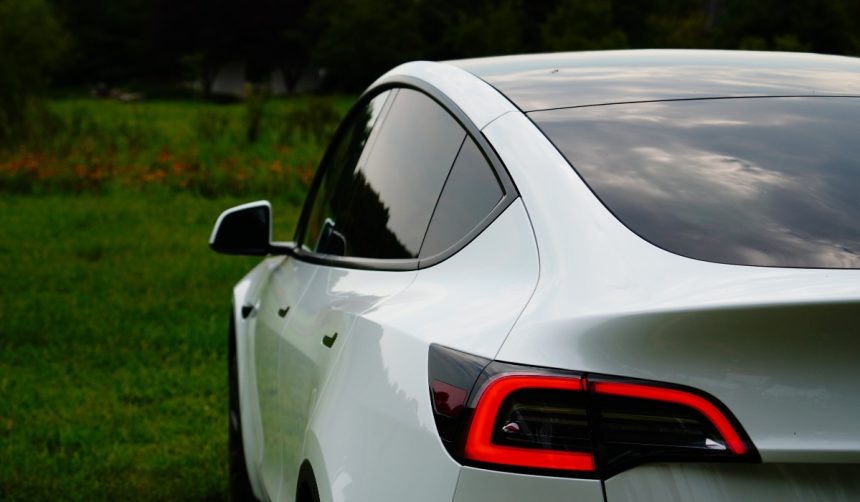
Tesla has introduced an aggressive financing offer for its Model 3 in the United States, providing buyers with a 0.99% APR on new purchases. The promotion targets all Model 3 variants, including the Premium Rear-Wheel-Drive, Premium All-Wheel-Drive, and Performance models, for loan terms of up to 72 months. Tesla’s move may shift buyer interest, especially among consumers closely watching monthly payments in a high-interest rate environment. While interest savings can attract new customers, they also underscore Tesla’s strategy to remain competitive as the electric vehicle market matures. Beyond the immediate financial savings, Model 3 buyers may also find long-term value in reduced maintenance and operational costs compared to gasoline vehicles.

Last year, public attention focused on Tesla’s decision to gradually lower prices and offer select financing deals, though few were as low as the current 0.99% APR. The company previously promoted a 2.99% APR, and global campaigns like the limited-time low-interest rate in China were applied to both the Model 3 and Model Y. Other major automakers have recently offered their own incentives, but most have not matched the rates Tesla is now advertising. The competitive trajectory suggests growing pressure to boost electric vehicle adoption as inventory builds and growth slows, particularly in the U.S. market.
How Does the New Offer Compare to Previous Financing Rates?
The current 0.99% APR represents a significant drop from the earlier rate of 2.99% that Tesla extended to Model 3 buyers. This sharp reduction is applied across all major Model 3 configurations, making the sedan more accessible for a broader range of buyers. By extending the offer to loans up to six years, Tesla addresses affordability concerns amid rising average transaction prices for new vehicles. Financing costs over the life of a loan play a critical role in consumers’ purchase decisions, especially as many families seek to lock in lower payments over an extended period.
What Impact Could This Have on Tesla’s Sales Performance?
Sales figures from the previous year position the Model 3 as the second-best-selling electric vehicle in the U.S., with over 192,000 units sold. Tesla’s Model Y, the only vehicle to outperform the Model 3, surpassed 350,000 deliveries. By offering this low-rate financing, Tesla appears to be aiming for a sales boost and to maintain momentum for its mass-market sedans, even as rivals introduce more electric options. In a statement from Tesla, a spokesperson noted,
“We are committed to making electric vehicles more accessible for everyone, and this financing option is part of that ongoing effort.”
The company leverages financial incentives alongside savings on regular maintenance and fuel, all of which can appeal to cost-sensitive consumers evaluating EV purchases.
Is This Promotion Reflecting a Broader Market Strategy?
Yes, the launch of the 0.99% APR offer reflects Tesla’s approach to managing inventory and stimulating demand without resorting solely to sticker price cuts. Globally, Tesla has run similar programs; a recent example was seen in China, where a comparable incentive was available until the end of January. Industry data indicates that automakers sometimes introduce short-term financial promotions to close out quarters or respond to shifts in consumer demand. From Tesla’s perspective, direct statements reinforce its direction:
“Our goal is to offer unmatched value to our customers, not just in product innovation, but in overall ownership experience,”
according to the company.
Tesla’s latest financing campaign marks a continued effort to balance price competitiveness with business objectives in a crowded electric vehicle market. For car buyers, these limited-time incentives may deliver material savings, especially for those wary of higher interest payments. Considering prior promotional strategies, Tesla often times such offers to correspond with inventory pressures or delivery targets. For potential Model 3 buyers, it is practical to weigh this limited financing deal against long-term costs, such as insurance, depreciation, and potential state or federal incentives for electric vehicles, which can further affect the total cost of ownership.