Tesla is reducing customization options for its Model S and Model X vehicles, signaling the flagship models’ production is approaching its end. This shift highlights the automotive industry’s quick adaptation to evolving technology, as Tesla prepares to repurpose its manufacturing resources. With the Fremont Factory’s floor space soon transitioning toward new projects, some traditional choices are disappearing faster than anticipated. Many loyal Tesla customers now face limited options as they consider acquiring these iconic vehicles before final orders close.

Reports from past months indicated uncertainty regarding the future of the Model S and Model X, yet previously, customization options remained steady and full availability was standard practice. Recent developments bring the reality of production changes to the forefront, with visible impact for potential buyers. Initial speculation around discontinuation was often met with skepticism, but recent official statements and the removal of options confirm the company’s plans to shift priorities—a marked difference from prior messaging.
Why Are Customization Options Decreasing?
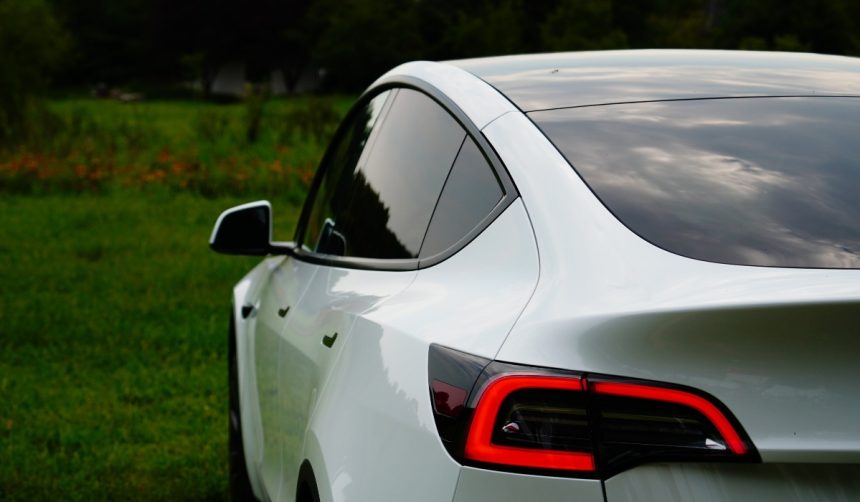
On Tesla’s online configurator, the Lunar Silver color—once available for both Model S and Model X—has been marked as sold out. This adjustment reflects internal moves at Tesla to streamline remaining inventory as the factory makes room for new product initiatives. A Tesla spokesperson remarked,
“We routinely review demand and adjust offerings accordingly as we transition our production lines.”
Customers still have access to several customization options like Frost Blue, but choices are narrowing every week.
How Is Production Strategy Shifting?
The decision to scale back these two “sentimental” models coincides with Tesla’s stated intention to increase manufacturing emphasis on the Optimus humanoid robot platform. CEO Elon Musk has publicly confirmed that Model S and Model X will be phased out by the end of the current quarter, emphasizing their minimal share in yearly deliveries. To prepare for new production lines, Tesla is gradually reducing less popular configurations, favoring models and colors in higher demand.
What Are Tesla’s Goals for the Fremont Factory?
By ending production of these models, Tesla aims to dedicate the Fremont Factory to industrial-scale Optimus robot assembly. Company executives explained that adjusting output now will streamline the process of transitioning the facility, targeting a production goal of one million Optimus units annually. Elon Musk stated,
“It is time to bring the Model S and Model X programs to an end with an honorable discharge.”
The focus is shifting to projects expected to support growth in automation and robotics.
As Tesla advances its roadmap to autonomous and robotic solutions, the discontinuation of the Model S and Model X marks an ending era for these luxury vehicles. For prospective buyers, the shrinking list of customization choices is a sign to act quickly. Those with an interest in Tesla’s legacy models will need to consider their final purchases soon as inventory and options decrease significantly. Investors and enthusiasts should also monitor how Tesla’s strategy to reallocate manufacturing capacity influences innovation in robotics and impacts the brand’s portfolio outlook. This move confirms a continued industry-wide trend: automakers are aligning resources to production segments with the highest perceived future payoff, while iconic vehicles may become collector’s items or signal an inflection point for manufacturing priorities.