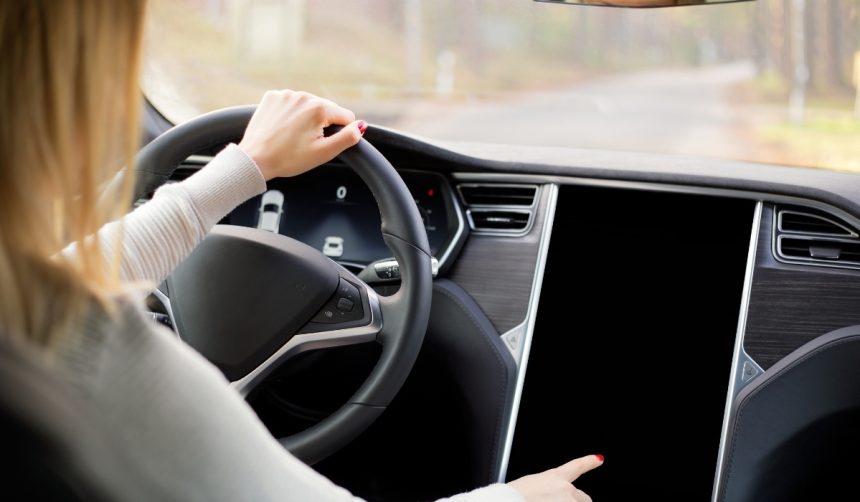
Consumers in China are seeing extended ultra-low-interest and zero-interest financing options for Tesla’s Model 3 and Model Y models, as the company aims to stimulate demand in a fast-evolving electric vehicle market. This decision by Tesla follows recent declines in domestic sales and comes on the heels of more aggressive interest-free incentives launched by other competitors, signaling continued rivalry for market share. The extension also includes an ongoing offer of 8,000 yuan free paint customization, providing additional purchasing incentives that may appeal to undecided buyers. As the landscape becomes increasingly crowded, EV makers are turning to financial solutions to drive short-term sales, while also positioning themselves for changes when the new energy vehicle (NEV) purchase tax takes effect.

Tesla’s approach of extending its seven-year ultra-low-interest and five-year interest-free financing programs echoes previous efforts used following tax or subsidy adjustments in China’s EV sector. Over the years, competitors such as BYD and NIO have also matched these strategies with their own low-interest or extended-term offers, often timing announcements around significant regulatory or tax changes. Unlike some earlier promotions that ended abruptly, the latest trend points to ongoing, cyclical use of prolonged financing as the market’s competitive standard. Data from recent quarters reveal periodic shifts in sales rankings, with new entrants like Xiaomi’s YU7 gaining traction during periods of aggressive financing and promotional campaigns.
Why Did Tesla Prolong the Financing Offers?
Tesla has chosen to prolong the duration of its promotional financing in China through March 31, extending a series of offers that began in January. These incentives are designed to cushion the impact of increasing costs for car ownership, which are expected to rise when China implements its 5% NEV purchase tax in 2026. Tesla’s repeated renewal of these offers reveals concerns about maintaining sales momentum as the Model Y briefly lost its top-selling status to competitors such as Xiaomi’s YU7.
How Are Competitors Responding to Tesla’s Strategy?
Other carmakers have responded quickly to Tesla’s tactics. BYD announced its own seven-year low-interest financing across the Ocean series and Fang Cheng Bao sub-brand, also valid until March 31. Key rivals including NIO, XPeng, Li Auto, and Geely Auto have launched similar extended-term loan programs, intensifying buyer incentives in a saturated segment. According to a Tesla spokesperson,
“We believe extending these financing options gives more Chinese customers easier access to Tesla vehicles as prices and taxes evolve.”
What’s the Sales Impact and Market Response?
Recent sales data shows Tesla delivered 625,698 vehicles in China in 2025, reflecting a 4.78% year-on-year decrease. This change was partially influenced by the Model Y’s transition to a new variant in the first quarter of 2025 and the company’s focus on exports, particularly in January 2026 when 50,644 vehicles were shipped abroad. Tesla representatives emphasize ongoing consumer outreach, stating,
“We aim to remain competitive by listening to the market and refining offers in real-time.”
Maintaining competitiveness in China’s EV sector now requires not just technological advancements, but also adaptive marketing and financial flexibility. As regulatory changes approach and localized brands gain ground, repeated incentive extensions reflect real shifts in demand and evolving consumer expectations. For prospective buyers, these financing offers present opportunities to secure popular models such as the Model 3 and Model Y on favorable terms, though the sustainability of such competitive promotions is uncertain amid tightening margins. Careful timing is vital; both consumers and industry observers will be watching how carmakers balance aggressive promotions with profitability as the quarter draws to a close.