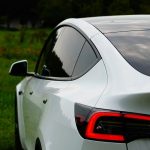
Abu Dhabi has become the latest stage for Tesla’s Full Self-Driving (Supervised) technology, initiating supervised trials under the governance of the Integrated Transport Centre, known locally as Abu Dhabi Mobility. While interest in autonomous vehicles grows throughout the Gulf, this project stands out for its collaborative oversight from multiple governmental stakeholders, ensuring a blend of technical progress and regulatory caution. Residents in Abu Dhabi may soon observe Tesla vehicles operating on public roads while their on-board human drivers provide ongoing supervision. These road tests were launched in coordination with the Smart and Autonomous Systems Council and the Legislation Lab at the General Secretariat of the UAE Cabinet, signaling the government’s commitment to organized innovation.

Autonomous vehicle trials have previously occurred in the UAE, but differed in approach and scale, with pilot programs largely focusing on shuttle-type services and collaborations with other carmakers. Earlier efforts emphasized geofenced environments or short demonstration runs, while this new phase involves Tesla’s FSD (Supervised) vehicles operating in regular traffic under a monitored, real-world setting. External reports also highlighted initiatives in other Gulf countries, but none with the direct manufacturer and regulatory partnership now seen in Abu Dhabi.
How Are Authorities Overseeing the FSD (Supervised) Trials?
The Integrated Transport Centre has assumed responsibility for monitoring and evaluating the FSD (Supervised) trials. Dr. Abdulla Hamad AlGhfeli, acting director general of Abu Dhabi Mobility, emphasized the dual focus of the trials: ensuring public safety and collecting relevant data to assess the technology. He stated,
“The supervision of the Integrated Transport Centre (Abu Dhabi Mobility) over the commencement of Tesla’s advanced autonomous driving technology tests reflects its regulatory and legislative role. These tests represent a qualitative step to evaluate the technology’s performance in a real-world operating environment and to collect the necessary data to verify its readiness before any future expansion in usage.”
What Safety Protocols Are Adopted in These Tests?
Testing is structured so that a human driver supervises the vehicle at all times, a measure intended to mitigate risk and ensure immediate human intervention if needed. These strategies illustrate a measured and incremental approach, which supports Abu Dhabi’s goal of safe and sustainable mobility. Dr. AlGhfeli added,
“Through this organized framework, and in cooperation with strategic partners, we seek to achieve a balance between supporting innovation and encouraging the adoption of smart solutions on one hand and ensuring the safety of road users on the other, in line with the emirate’s direction to develop an advanced, safe, and sustainable transport system.”
Is Tesla Planning Further International Expansion?
Tesla has expressed intent to introduce the FSD (Supervised) system in additional global markets, including the Netherlands. Elon Musk recently shared optimism regarding approval for Tesla’s advanced driver assistance systems in Europe, suggesting a potential green light by March. The Abu Dhabi initiative provides a testing ground for how the company’s supervised autonomous technology could adapt in jurisdictions beyond the United States.
Tesla’s entrance into the Middle Eastern autonomous vehicle landscape marks a new phase of regulatory engagement and public trials in the region. Unlike previous limited pilots, the Abu Dhabi program operates with high-profile regulatory backing and a focus on learning from real-world traffic. For local policymakers and global manufacturers alike, the outcomes from these tests may guide not only further deployment in the UAE but also influence regional approaches towards adopting autonomous driving. For industry observers and residents, it is helpful to monitor how collaborative oversight, safety measures, and adaptability of FSD (Supervised) systems shape acceptance of new transport solutions.