
Today’s smartwatch users often face a trade-off between advanced tracking features and battery longevity, but the Amazfit Balance 2 aims to close that gap. The device seeks to meet multiple user needs, integrating robust battery life, a reliable AI assistant, and precise health and activity monitoring. Market expectations are high as consumers demand devices that can endure daily routines without frequent recharging. The balance between performance and usability will be drawn into sharper focus as Amazfit launches its newest wearable. As more people look for reliable technology for everyday life, Amazfit’s approach will be closely watched by both competitors and fitness enthusiasts.

When earlier models of Amazfit smartwatches arrived on the market, they often garnered praise for battery life but sometimes lagged behind top-tier competitors in activity tracking precision and digital assistant responsiveness. Now, with the Balance 2, Amazfit takes a step forward by promising a more integrated experience. Past reviews highlighted steady, incremental improvements rather than dramatic enhancements in battery or assistant capabilities. What sets the Balance 2 apart is its integration of all-day AI features with useful tracking in a package that is designed to operate efficiently over extended periods. While some rivals have focused on display upgrades or app ecosystems, Amazfit continues to concentrate on practical features most relevant to everyday use.
How does Amazfit Balance 2 address common smartwatch concerns?
The Amazfit Balance 2 addresses a prevailing issue among smartwatch wearers: the inconvenience of regular charging. With extended battery performance, users can expect more active days and nights without needing to recharge frequently. This enhancement is particularly significant for those who rely on their smartwatch to track workouts, sleep, and ongoing health metrics. The inclusion of efficient health and activity tracking systems ensures users are given more actionable data in real time, without the device running low on power. As daily routines become more demanding, consistent battery output becomes essential.
What role does the AI assistant play in user experience?
Amazfit has equipped the Balance 2 with a capable AI assistant, further streamlining hands-free operations and quick responses to user commands. The AI assistant is designed to work seamlessly with the smartwatch, providing reminders, updates, and even health tips where needed. One company representative emphasized,
“Our new assistant makes managing your schedule and health metrics easier and faster every day.”
This improvement is aimed at simplifying the interaction between user and device, with fewer manual inputs needed throughout the day. With smart reminders and tracking, the AI assistant helps users focus on achieving their daily health and lifestyle goals.
How does improved tracking benefit health-conscious consumers?
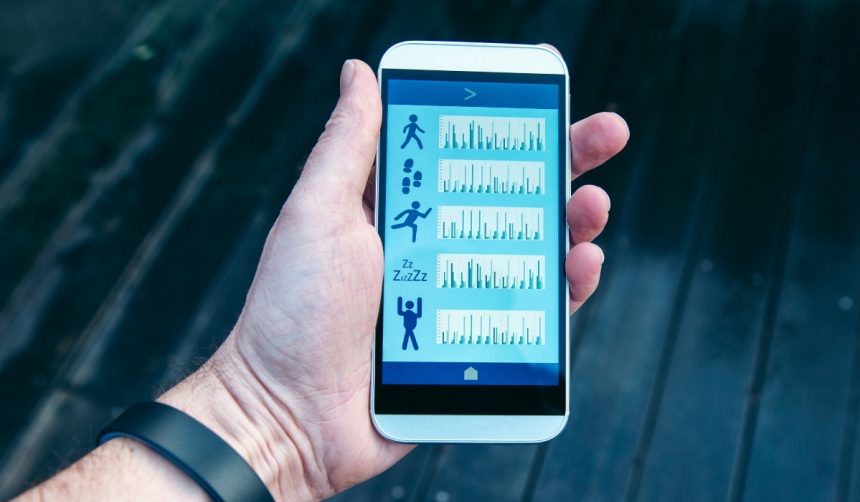
Tracking accuracy remains a vital element in ensuring that users receive reliable feedback on their activity and wellness. The device leverages updated sensors and algorithms to offer improved precision in step counting, heart rate measurement, and sleep analysis. For fitness enthusiasts and those monitoring health metrics, even small lapses in data accuracy can lead to disruptions in training or health planning. As Amazfit puts it,
“We saw the need for more dependable tracking in an everyday wearable, so Balance 2 delivers that to users looking for actionable insights.”
Consistent and accurate tracking can help users identify trends, spot issues early, and adjust their activities as needed.
Amazfit’s latest entry into the smartwatch sector places priority on everyday efficiency rather than pursuing novelty for its own sake. By focusing on battery performance and reliable health tracking instead of flashy new features, the company aims at users who want technology that works quietly in the background. This decision marks a clear response to user feedback requesting fewer interruptions for charging and more reliable insights into fitness and wellness levels. The addition of a more effective AI assistant further supports a shift toward practical, user-driven design. Price and compatibility could ultimately determine its popularity among competitors, but the core offering appears tailored to consumers’ routine needs rather than emerging trends.
For those interested in maximizing the utility of their wearables, battery longevity, tracking accuracy, and a robust AI assistant are critical factors. The Amazfit Balance 2 demonstrates a focus on these attributes, prioritizing user habits and the demand for uninterrupted service. When evaluating a smartwatch purchase, users may find greater value in dependable everyday performance rather than features that require frequent charging or additional setup. Comparing several market options, it’s worth noting that most daily users benefit more from practical improvements than one-off innovations. For the best experience, consumers should weigh actual battery life, assistant usefulness, and tracking reliability when selecting a smartwatch for daily activity monitoring or fitness routines.