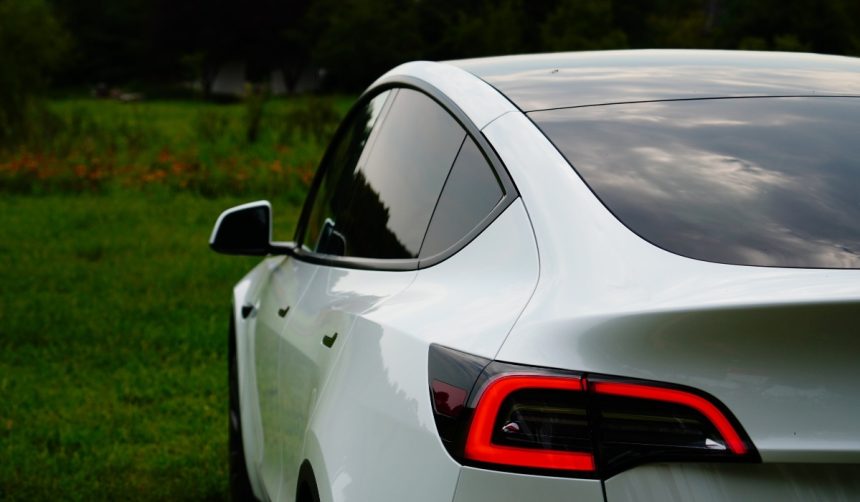

Charging electric vehicles on long trips has often raised concerns among drivers, especially with the expansion of EV offerings. With BMW now joining the list of automakers whose vehicles can use Tesla’s Supercharger Network, many BMW owners stand to benefit from a more convenient charging experience across North America. This move, affecting popular models like the BMW i4, i5, i7, and iX, brings new flexibility to daily routines and travel plans, particularly as summer travel increases. The collaboration also raises questions about adapter compatibility and app integration for seamless charging.
BMW’s access to Tesla Superchargers represents an ongoing industry trend, as more manufacturers look to bridge infrastructure gaps and address charging standard fragmentation. While Tesla opened its Supercharger Network to non-Tesla EVs in selective pilots across Europe and the US beginning in 2022, BMW’s official integration now puts it alongside other recent adopters, such as Mercedes-Benz and Hyundai. Early efforts faced limited availability and compatibility challenges, yet the 2025 rollout appears broader and more coordinated, especially with multiple brands gaining access in one calendar year. The inclusion of well-established luxury and mainstream brands underscores a shift toward greater interoperability in the EV landscape, though standards and adapters remain points of attention for drivers.
Which BMW Models Can Use Tesla Superchargers?
BMW’s latest all-electric cars—including the i4 (2022-2026), i5 (2024-2025, with 2026 updates), i7 (2023-2026), and iX (2022-2025, with 2026 updates)—can connect to Tesla’s V3 and V4 Superchargers throughout North America. These models require a NACS-to-CCS1 adapter for access, with BMW scheduled to release an official version in the second quarter of 2026. Until then, owners may rely on selected third-party adapters.
How Can BMW Owners Access Supercharging?
To utilize the Supercharger network, BMW EV owners need the Tesla App to find charging locations, monitor rates, and confirm stall availability. The process, described as relatively straightforward, involves linking the app with the BMW vehicle. Tesla welcomed BMW drivers to the service, stating:
Welcome BMW owners.
The coordination is expected to ease the charging process for new EV adopters while supporting broader adoption of electric mobility.
Which Other Automakers Have Joined the Tesla Network?
As of 2025, the number of automakers with Supercharger access has grown to fifteen, including brands like Audi, Genesis, Honda, Hyundai, Jaguar Land Rover, Kia, Lucid, Mercedes-Benz, Nissan, Polestar, Subaru, Toyota, Volkswagen, and Volvo. Tesla emphasized its goal by noting:
Download the Tesla app to charge.
The rapidly expanding list demonstrates increasing momentum behind shared charging infrastructure.
As more companies and drivers gain entry to Tesla’s comprehensive Supercharger Network, the EV charging experience could become significantly more unified and accessible. The addition of major brands highlights a growing recognition that collaboration is essential to address infrastructure hurdles. For consumers, this development offers practical benefits, such as reduced range anxiety and simplified route planning. Owning or planning to buy an EV now involves careful consideration of adapter compatibility, supported networks, and software features, making it important for buyers to stay informed about their car’s charging options before hitting the road.