
Electric vehicles have often drawn skepticism, but automotive reviewer Doug DeMuro’s recent remarks highlight the strong influence of Tesla’s Model S on the industry’s direction. Through his analysis, DeMuro pointed out that few innovations disrupted traditional car culture as profoundly as this sedan. By mentioning the Model S, he not only recognized advancements in EV performance, but also suggested a rethinking of what electric cars can represent in practicality and image. Those tuning in to his channel encountered a candid assessment challenging what most believe about automotive progress.

DeMuro’s comments on Tesla’s Model S contrast with earlier coverage that emphasized a variety of contenders for industry-shaping vehicles over the past three decades. Reports from past years frequently referenced the Toyota Prius for hybrid technology or the Nissan Leaf for mass-market electric mobility. Other automotive experts debated the influence of SUVs and crossovers on global sales numbers, with less focus squarely on the Model S’s cultural impact. DeMuro’s position singles out the shift in consumer mindset and brand perception that accompanied Tesla’s breakthrough, rather than just technological adoption or market penetration figures.
What Sets the 2012 Tesla Model S Apart?
Doug DeMuro argued that the 2012 Tesla Model S signaled a turning point for electric vehicles beyond its competitors. Unlike the Nissan Leaf or Chevrolet Volt, the Model S captured a segment of consumers who sought performance and luxury in an EV. DeMuro emphasized that buyers, for the first time, no longer needed to view electric cars as a compromise. He stated,
“The Model S really changed the world. It made you think that EVs could be cool, fast, luxurious.”
These attributes, in his view, convinced both enthusiasts and mainstream drivers to consider electric options seriously.
Did Other Early EVs Pave the Way?
Although cars like the Leaf and Volt arrived before the Model S, they largely demonstrated feasibility rather than widespread acceptance. DeMuro acknowledged these models as important steps, yet maintains they didn’t reshape the conversation about electric cars. He remarked that introducing a new technology is not enough; making it desirable is what matters. The Model S, in his estimation, is
“the car that brings it into the mainstream… the car that actually won the game even though the Leaf and Volt scored the first.”
This viewpoint credits Tesla’s sedan with moving the broader market toward electrification, as opposed to just tech-forward early adopters.
How Has Tesla Grown Beyond Vehicles?
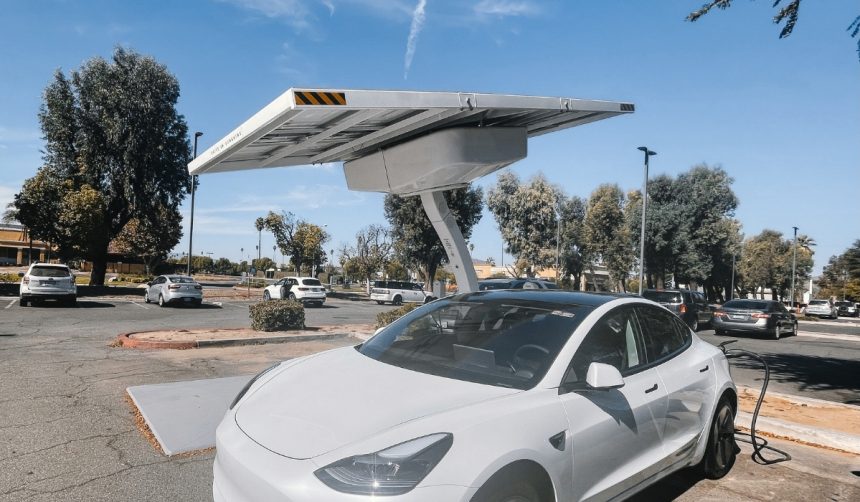
DeMuro noted that Tesla’s expansion into areas like charging networks and home energy products contributed to the Model S’s reputation as more than just a car. The Supercharger network and technology integration positioned Tesla not only as an automaker but also as an energy and tech company with a wider cultural reach. He pointed out the industry surprise at Tesla’s success, especially since starting a new U.S. car company was long considered nearly impossible due to capital demands. The Model S’s accomplishments contradicted long-held assumptions within the sector.
Assessing the influence of the 2012 Tesla Model S requires a nuanced understanding of what drives change in the automotive world. While competitors introduced electric and hybrid vehicles earlier, the Model S shifted perceptions and spurred growth in infrastructure, brand identity, and consumer enthusiasm for EVs. This demonstrates that a combination of technology, desirability, and cultural resonance often underpins significant transitions in established industries. For readers considering trends in mobility, examining how the Model S merged performance, design, and business model offers insights on what can truly set a product apart in shaping an industry.