
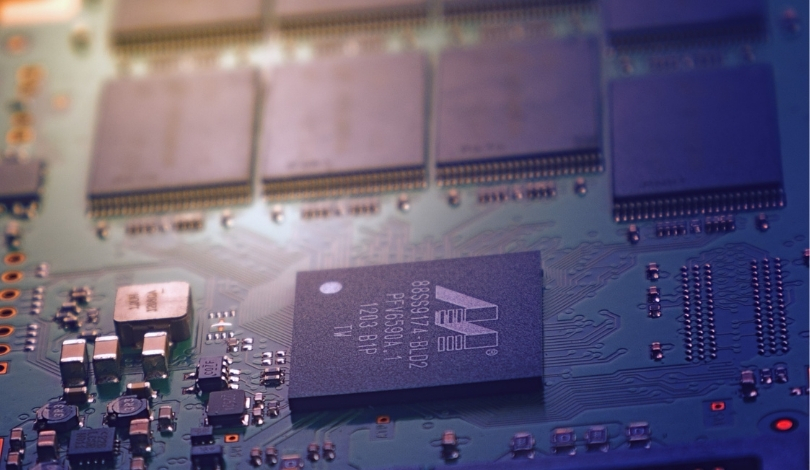
Memory enthusiasts and PC builders have felt the pressure from relentless RAM price increases over recent months, squeezing budgets and causing many to delay upgrades. Yet June arrives with a burst of relief as trends shift, signaling a reversal in the market. Major suppliers signal softening price hikes across DDR4 and DDR5 modules, stirring new hope among cost-conscious consumers. Retailers are already reevaluating their strategies in response to the changing landscape, and buyers are watching closely for the first signs of price relief. Industry observers anticipate the adjustments will unfold unevenly, with some product lines dropping faster than others.

Market reports earlier this year projected continuous DRAM price climbs, fueled by limited supply and steady demand for both DDR4 and DDR5 memory. Those forecasts proved accurate through spring, when OEM purchasing kept inventory levels low and increases occurred nearly weekly. By contrast, several recent indicators show supplier production now outpacing consumption, boosting stockpiles and prompting manufacturers to accept more modest margins. As the gap between supply and demand narrows, the mood among system builders and end users has become cautiously optimistic, contrasting sharply with the anxiety surrounding earlier shortages.
Why Are DRAM Prices Easing This Month?
The shift in pricing is largely attributed to improved production rates by leading brands, such as Samsung and SK Hynix, which have increased output after expanding fabrication capacities. Global demand appears to be stabilizing, particularly as the post-pandemic surge in new system builds wanes and enterprises slow investment in hardware. These parallel developments reduce the urgency in the market, cutting the power sellers held during peak shortages.
How Are Retailers Responding to Market Changes?
Retailers have begun posting discounts or holding prices steady where increases were previously expected. Promotional campaigns now encourage buyers to return to the checkout, while some vendors clear out older DDR4 modules to make room for newer, lower-priced DDR5 products. A spokesperson from one major retailer commented:
“We’re seeing steadying demand and greater supply, allowing us to offer better deals to our customers.”
As consumer confidence builds, purchase volumes are expected to recover from recent dips.
What Should Buyers Expect in the Coming Weeks?
Most analysts anticipate a gradual, rather than immediate, drop in prices across common RAM kits. Select high-end or niche modules might hold their value longer due to tailored demand, while mainstream options like Corsair Vengeance DDR5 and Kingston Fury DDR4 could see reductions first. The DRAM manufacturer’s association noted:
“Price adjustments can lag behind supply shifts, but we expect the trend to continue if current conditions hold.”
Consumers seeking upgrades may wish to monitor weekly promotional cycles, as flashes of lower pricing become more frequent.
Typically, DRAM prices are sensitive to cyclical market fluctuations, influenced by factors such as raw materials, chip yields, and inventory planning. With recent increases tied to pandemic-related logistics issues and heightened build rates, the current relief serves as a reminder that trends can pivot quickly. Buyers benefit from patience and careful observation, timing purchases to coincide with discount windows or surplus-driven markdowns, especially as the next generation of hardware arrives. Watching brand promotions and industry reports remains important, with current signals pointing to more favorable conditions for PC builders and users alike.