
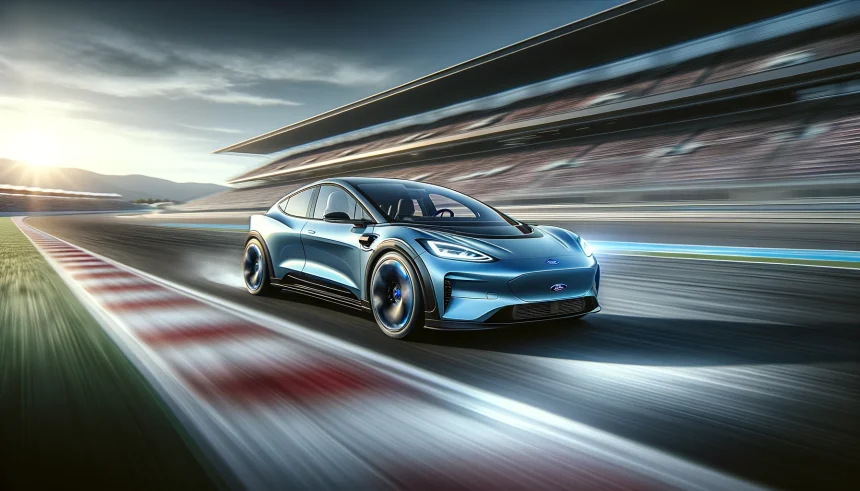
Car buyers exploring electric vehicles are facing new considerations as manufacturers reconsider which features should come as standard. In the wake of shifting strategies in the electric vehicle market, Ford is now introducing an extra charge for a feature that has typically been included without additional cost on many EVs: the front trunk, or frunk. This move signals a trend towards a more modular approach to pricing, with customers potentially having to pay for aspects that were once assumed to be part of the package. Early feedback hints at dissatisfaction among some loyal followers, suggesting automakers must weigh new monetization strategies against customer expectations and brand loyalty.

Ford’s decision to charge for the Mustang Mach-E frunk comes as other automakers have been promoting added storage as a signature benefit of EV design. Earlier Mach-E models, starting from its launch, included the frunk at no additional cost, serving as a practical selling point. Ford previously highlighted this area in creative marketing campaigns, even demonstrating its utility for tailgating and food storage. This pivot towards charging for the frunk marks a significant shift from earlier marketing approaches and industry norms.
What Is Ford Charging For?
A $495 fee is now being applied to the frunk on the Mustang Mach-E. The compartment offers between 4.7 to 4.8 cubic feet of storage, with measurements of roughly 9 inches deep, 26 inches wide, and 14 inches high. For customers, this means the once-standard storage solution now requires an extra investment at the time of purchase.
How Are Customers Reacting?
Several Ford customers see the frunk as a fundamental component of a modern electric vehicle. Some express frustration over what they view as incremental fees for basic features. A Ford spokesperson responded,
“The decision enables buyers to customize their Mustang Mach-E to better suit their needs.”
Ford maintains that the change is about providing flexibility. A company representative emphasized,
“Our approach allows customers to pay for features they value most, ensuring more personalized options.”
The overall sentiment on consumer forums reflects disappointment with the move, with many describing the frunk as an essential—not optional—part of the EV experience.
Will This Move Affect Mustang Mach-E Sales?
While the adjustment in pricing may not drive potential customers away entirely, the introduction of new fees for formerly standard features could influence brand perception. Industry watchers suggest the additional charge might not dramatically impact sales, but it could influence buyers’ trust in the long run. The company’s broader shift away from the F-150 Lightning and towards a redesigned pickup shows Ford’s willingness to make bold strategic bets as it refines its EV lineup.
Other automakers, such as Tesla and Rivian, have included frunks without additional cost in several EV models, establishing a consumer expectation. Ford’s earlier emphasis on the Mach-E’s frunk as a lifestyle feature—capable of handling food and outdoor gear—helped differentiate it in a crowded market. Now, this pivot to making it optional signals a broader shift in how automakers may segment features and infrastructure as the electric vehicle sector matures. Customers considering an EV today are encouraged to carefully review which features are standard and which incur extra cost, as automakers experiment with new business models.