
Technology NewsTechnology NewsTechnology News
  • Computing
  • AI
  • Robotics
  • Cybersecurity
  • Electric Vehicle
  • Wearables
  • Gaming
  • Space
Reading: Ford Uses Technologies from Tesla Cybertruck in New EV Platform
Share
Font ResizerAa
Technology NewsTechnology News
Font ResizerAa
Search
  • Computing
  • AI
  • Robotics
  • Cybersecurity
  • Electric Vehicle
  • Wearables
  • Gaming
  • Space
Follow US
  • Cookie Policy (EU)
  • Contact
  • About
© 2025 NEWSLINKER - Powered by LK SOFTWARE
Electric Vehicle

Ford Uses Technologies from Tesla Cybertruck in New EV Platform

Highlights

  • Ford adopts 48-volt system, inspired by Tesla Cybertruck.

  • Upcoming small EV pickup will use gigacastings for efficiency.

  • Strategies target lower costs and increased competitiveness internationally.

Samantha Reed
Last updated: 18 February, 2026 - 5:20 pm 5:20 pm
Samantha Reed 2 hours ago
Share
SHARE

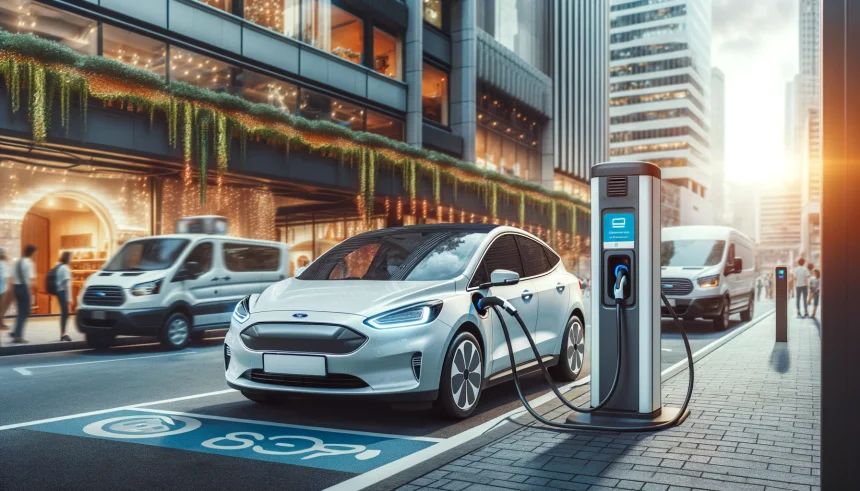
Ford is gearing up for significant changes in its electric vehicle strategy, planning to implement technology features that debuted with the Tesla Cybertruck. Looking to attract cost-conscious buyers and improve product efficiency, the company has outlined plans to integrate a 48-volt electrical system and large-scale structural castings—both innovations previously introduced by Tesla. With a $5 billion investment in the Universal EV platform, Ford intends for these measures to support a small electric pickup priced around $30,000, targeting a 2027 release. The move underscores a broader trend of automakers reassessing design fundamentals to meet shifting market demands and reduce production expenses.

Contents
Why Is Ford Switching to a 48-Volt Architecture?What Are Gigacastings and How Will Ford Use Them?How Does Ford See These Moves Affecting Its Competitive Strategy?

When Ford announced new developments in its EV lineup several years ago, earlier reports indicated a focus on more conventional battery and chassis technologies. At that stage, Ford had not considered adopting Tesla’s gigacasting production method or utilizing a 48-volt system, instead prioritizing incremental changes based on existing platforms. Ford’s current direction thus marks a notable transition from its initial electric strategy, directly mirroring rapid changes within the wider automotive industry and intensifying competition among American automakers.

Why Is Ford Switching to a 48-Volt Architecture?

Ford will move away from the conventional 12-volt system long used in most vehicles. By implementing a 48-volt electrical architecture similar to the Tesla Cybertruck, the company expects reduced wiring complexity and improved electrical efficiency. Alan Clarke, executive director of advanced EV development at Ford and a former Tesla engineer, emphasized that these systems offer advantages in cost and material usage.

“48V is the future of automotive due to lower costs and smaller wiring requirements,”

Clarke stated.

What Are Gigacastings and How Will Ford Use Them?

Incorporating gigacastings—a manufacturing technique initially commercialized by Tesla—Ford aims to streamline vehicle assembly. The upcoming electric pickup will rely on just two major castings for its front and rear sections, compared to the 146 parts found in the gasoline-powered Maverick. This reduction is expected to simplify assembly and decrease production costs, making the new model more competitive in the global market.

How Does Ford See These Moves Affecting Its Competitive Strategy?

Ford executives have acknowledged that these choices represent a strategic shift aimed at strengthening the brand against international rivals, including Chinese manufacturers. CEO Jim Farley described the initiative as both a risk and an important milestone in the company’s evolution toward more innovative system integration.

“We’re taking the fight to our competition, including the Chinese,”

Farley declared, characterizing the direction as vital for Ford’s long-term presence in the EV market.

Embracing new manufacturing techniques and electrical architectures signifies Ford’s acknowledgment of changing expectations in the electric vehicle sector. While such integrations once seemed ambitious or cost-prohibitive, they now appear necessary as industry benchmarks shift and cost pressures mount. For companies and consumers alike, understanding how foundational changes—like a move to 48-volt systems and gigacastings—impact performance, maintenance, and pricing is crucial. Ford’s clear commitment to these strategies could prompt broader adoption within the industry, affecting not only vehicle production but also service infrastructure and supply chain dynamics. Buyers interested in next-generation EVs should consider these evolving technologies when evaluating upcoming options and the potential for reduced operating and manufacturing costs.


You can follow us on Youtube, Telegram, Facebook, Linkedin, Twitter ( X ), Mastodon and Bluesky

You Might Also Like

Tesla Meets State Job Targets at Buffalo’s Giga New York

Tesla Confirms Cybercab Price Target and Consumer Release Plan

Tesla Delivers First Cybercab at Texas Gigafactory and Sets Production Pace

California City Council Debates Ban on Musk Brands and Contracts

Tesla Offers 0.99% APR to Drive Model 3 Sales Higher

Share This Article
Facebook Twitter Copy Link Print
Samantha Reed
By Samantha Reed
Samantha Reed is a 40-year-old, New York-based technology and popular science editor with a degree in journalism. After beginning her career at various media outlets, her passion and area of expertise led her to a significant position at Newslinker. Specializing in tracking the latest developments in the world of technology and science, Samantha excels at presenting complex subjects in a clear and understandable manner to her readers. Through her work at Newslinker, she enlightens a knowledge-thirsty audience, highlighting the role of technology and science in our lives.
Previous Article Tesla Meets State Job Targets at Buffalo’s Giga New York
Next Article GPU Prices Surge as Demand and Costs Keep Climbing

Stay Connected

6.2kLike
8kFollow
2.3kSubscribe
1.7kFollow

Latest News

GPU Prices Surge as Demand and Costs Keep Climbing
Computing
Medtronic Receives FDA Clearance for Stealth AXiS Spine Surgery System
Robotics
AI Accelerates Real-World Robotics Deployment, IFR Reports
AI
Sequels Shift Game Genres and Surprise Players
Gaming
ARM Institute Seeks New Proposals to Advance Military Manufacturing Tech
AI
NEWSLINKER – your premier source for the latest updates in ai, robotics, electric vehicle, gaming, and technology. We are dedicated to bringing you the most accurate, timely, and engaging content from across these dynamic industries. Join us on our journey of discovery and stay informed in this ever-evolving digital age.

ARTIFICAL INTELLIGENCE

  • Can Artificial Intelligence Achieve Consciousness?
  • What is Artificial Intelligence (AI)?
  • How does Artificial Intelligence Work?
  • Will AI Take Over the World?
  • What Is OpenAI?
  • What is Artifical General Intelligence?

ELECTRIC VEHICLE

  • What is Electric Vehicle in Simple Words?
  • How do Electric Cars Work?
  • What is the Advantage and Disadvantage of Electric Cars?
  • Is Electric Car the Future?

RESEARCH

  • Robotics Market Research & Report
  • Everything you need to know about IoT
  • What Is Wearable Technology?
  • What is FANUC Robotics?
  • What is Anthropic AI?
Technology NewsTechnology News
Follow US
About Us   -  Cookie Policy   -   Contact

© 2025 NEWSLINKER. Powered by LK SOFTWARE
Welcome Back!

Sign in to your account

Register Lost your password?