
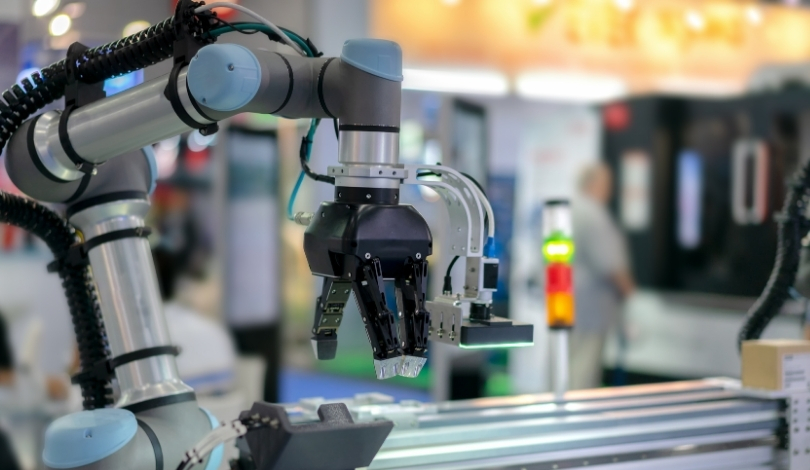
Factories are seeing a fundamental shift as collaborative robots, known as cobots, are introduced to work alongside people in varied industries. While automation offers prospects for easing tedious tasks and improving efficiency, the effectiveness of this partnership depends on employee trust and comprehensive safety measures. Brands such as Universal Robots, OMRON, and Locus Robotics play prominent roles in this transition, supplying technology tailored for direct human-robot collaboration. Renewed focus on ergonomic design and multi-layered protection highlights a growing commitment to safeguarding human workers as automation expands on the shop floor. Beyond productivity, there remains concern for job satisfaction and the daily comfort of employees, especially in physically demanding roles.

News reports over the last three years noted steady increases in cobot installations globally, but also highlighted employee hesitations as new automation systems were implemented. Initial deployments often prompted debates about job security and workplace safety, particularly as manufacturers raced to achieve rapid productivity gains. Early coverage mostly described the operational features of cobots, while recent articles now more frequently address risk assessments, regulatory compliance, and collaborative process design. The focus has shifted from merely integrating new machines to holistically preparing the workplace for shared human-robot operation and supporting staff through active training and transparent communication.
What are the primary uses for cobots today?
Cobots are being tasked with diverse functions, ranging from transporting products and picking items to executing inspections using computer vision. These machines, built with force- and power-limited mechanisms, are intended to handle repetitive, strenuous, or dangerous duties in closer proximity to humans. Their adaptability is reflected in their integration across manufacturing, logistics, and even assembly lines, where they perform tasks previously handled solely by people.
How do companies ensure safe cobot integration?
Facility leaders rely on several strategies to enhance safety in shared workspaces. Comprehensive risk assessments anticipate and mitigate hazards before cobots are deployed, while safety systems—including scanners, light curtains, and protective mats—are used in tandem with cobot-specific features. Attention is also paid to electromechanical and ergonomic factors, reducing risks such as arc flash incidents and minimizing strain on human operators. One company spokesperson emphasized,
“We conduct rigorous audits and add layered safety devices to prevent incidents as part of our deployment strategy.”
Are real-world examples demonstrating these safety principles?
Industry leaders such as Toyota Motor Hokkaido and Fischer Gears have implemented Universal Robots and OMRON cobots, resulting in minimized workplace injuries and improved workflow efficiency. At Toyota Motor Hokkaido, cobots like the UR5e, UR10e, and UR16e manage labor-intensive gear wheel loading, and their integrated safety sensors slow or halt operations when people are detected nearby. Similarly, at Fischer Gears, OMRON’s TM12 cobots automate CNC machine tending, reducing the need for manual intervention while enabling unobstructed movement for employees. A Fischer Gears representative noted,
“Integrating TM12 cobots let our staff navigate freely without the need for fixed barriers.”
DHL Supply Chain’s use of Locus Origin mobile robots enables employees to avoid heavy lifting, with robots’ obstacle detection features further reducing accident risks.
Collaborative robot adoption is increasingly seen as both a technological and organizational overhaul. While initial focus often landed on technical reliability and output, companies now recognize that success hinges on employee acceptance, trust, and comprehensive training. Standards such as ANSI/RIA R15.06 and ISO 10218 provide formal guidelines for safe deployment, but companies are also refining on-the-ground practices in communication, training, and design. This multidimensional approach ensures that technological progress does not come at the expense of worker wellbeing.
Establishing safe and effective cobot workspaces requires more than mechanical innovation. Ongoing investment in training and risk assessment remains crucial for achieving operational improvements without compromising personal safety. Real-world deployments by firms like Toyota, Fischer Gears, and DHL Supply Chain demonstrate tangible benefits when safety is prioritized—from reduced manual labor and increased efficiency to fewer workplace injuries. Readers considering automation should remember that open dialogue, incremental trials, and attention to ergonomics are indispensable in gaining workforce trust. As more industries adopt cobots, maintaining a people-first mindset will be instrumental in sustaining productivity and safety in the long term.