
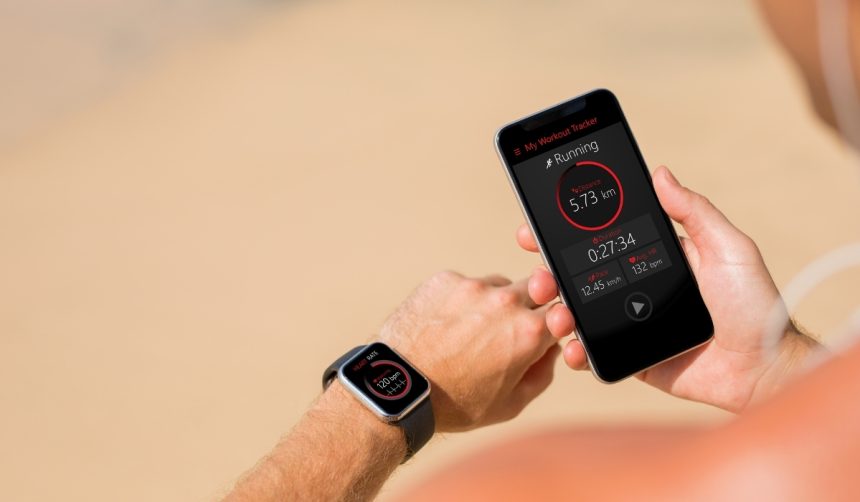
Meta is taking a bold step into wearable technology by unveiling its own smartwatch, targeting not just fitness tracking but deeper integration with its social and digital platforms. As major companies compete for a spot on consumers’ wrists, Meta’s move could connect user data more directly with their existing suite of apps like Facebook, Instagram, and WhatsApp. Concerns about data privacy and the extent to which tech firms can access personal health metrics have already sparked debates among consumers and experts. By aligning its upcoming device with the metaverse vision, Meta signals an intention to reach further into daily activities through hardware. This strategy could redefine how users interact with both health data and their online social identities.

Previously, competitors like Apple and Samsung have dominated the smartwatch space, prioritizing health functions and transparent privacy measures. Meta’s entry has invited scrutiny due to its history of managing user information. Unlike prior launches of wearable devices, Meta’s upcoming smartwatch banks heavily on integration with messaging and social networks, possibly advancing beyond standard activity tracking. Prior reports from industry watchers indicated Meta paused smartwatch hardware after facing internal restructuring, yet the renewed announcement reflects changing priorities and persistence in expanding device offerings.
Meta Smartwatch Features and Integration
The Meta smartwatch aims to stand out by bridging health and wellness tracking with social connectivity. The device is expected to synchronize with major Meta services, offering features such as heart rate monitoring and step tracking while also embedding quick communication options. Users could soon respond to messages, monitor notifications, and share updates without reaching for their phones.
Are There Privacy Concerns with Meta’s Wearable Technology?
Consumer groups and tech analysts have raised questions regarding the data-sharing potential of the new Meta smartwatch. Since the company collects significant user information across its platforms, the watch could provide Meta with more detailed health and behavioral data than before. Despite the concern, Meta stated,
“We are giving users control over how their information is collected and used.”
This reassurance may help ease some fears, though it leaves responsibility on individuals to monitor and restrict data settings.
How Will Meta’s Approach Affect the Wearable Market?
Meta’s entry creates more competition in the wearable sector, directly challenging products like the Apple Watch Series and Samsung Galaxy Watch. The ecosystem-focused experience may attract users seeking seamless interactions with Meta’s existing platforms. However, questions persist about whether consumers will accept the link between personal health and Meta’s broader data-driven business. A company spokesperson reiterated,
“Security and privacy are central to our product design, and we continually seek to evolve our practices with industry standards.”
As the company prepares for launch, there is close attention on how Meta will differentiate its smartwatch from established brands. Incorporating messaging and metaverse-ready functions could create new user experiences, but widespread adoption will depend on trust and balanced technology benefits. Consumers considering the Meta smartwatch should review privacy controls and compatibility with other social media apps carefully. Given the history of platform updates and changing data standards, ongoing transparency from Meta will shape long-term acceptance in an already saturated smartwatch market.