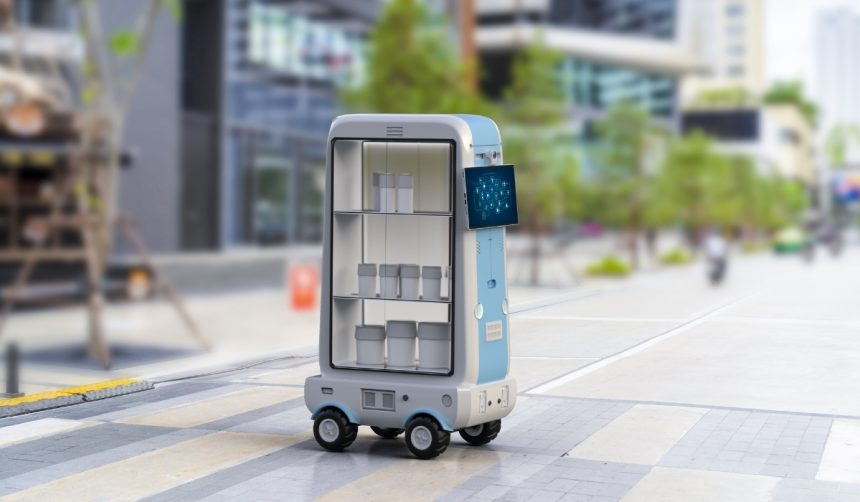

Against a backdrop of increasingly stringent hygiene demands for public spaces, Primech Holdings Ltd. is preparing to introduce its Hytron cleaning robot to the North American market at CES 2026 in Las Vegas. Hytron, designed for autonomous restroom cleaning in busy commercial facilities, marks the company’s push toward automated solutions for professional environments. Primech aims to showcase how robotics and AI integration streamline maintenance in spaces frequented by large numbers of people, and the company’s approach is expected to spark interest among other facility managers looking for reliable automation. As labor shortages and sanitation requirements persist, innovations like Hytron continue to draw attention from global markets, especially following deployments elsewhere in Asia.
Hytron’s development and earlier launches in Singapore, Hong Kong, and Macau have already shown Primech’s growing international ambitions. Previous coverage focused on Hytron’s trial operations and early user feedback from Southeast Asia, emphasizing the robot’s ability to perform comprehensive cleaning tasks in confined spaces. Unlike initial prototypes, the version slated for CES features upgraded AI-driven navigation and real-time decision-making capabilities, and it comes with independent validation of its disinfection performance. As robotic cleaning technology matures, comparisons with similar models suggest Hytron’s compact build and autonomously managed cleaning cycle differentiate it from more generic cleaning robots unveiled during previous industry expos.
How Was Hytron Designed for Commercial Restrooms?
Primech designed Hytron specifically to handle the complex layouts of commercial restrooms, incorporating a 15.7-inch wide body for navigating tight stalls and accessing hard-to-reach spaces. Its “Universal Fit” engineering allows it to clean multiple types of restroom fixtures without manual intervention, ensuring coverage from floors to mirrors and fixtures. The robot operates autonomously using a suite of sensors and AI, targeting all high-contact surfaces with precise, repetitive actions.
What Technology Powers Hytron’s Capabilities?
Hytron’s advanced functions are enabled by the NVIDIA Jetson Orin Super AI platform, offering real-time 2D AI navigation, dynamic obstacle detection, and optimized routing. Primech equips the robot with a chemical-free cleaning system that uses electrolyzed water, aiming to reduce both costs and environmental impact. Integrated features such as self-charging, automatic water management, and the ability to open doors further reduce the need for human intervention. According to Primech, disinfection standards for Hytron have achieved over 99% bacterial reduction, supported by independent testing.
Why Is Primech Expanding Hytron to North America Now?
Building on successful deployments across Asia and rising demand from sectors like real estate and public facilities, Primech states that international expansion aligns with both market needs and operational readiness. Introducing Hytron at CES 2026 signals the company’s readiness to supply North American enterprises with a tested, scalable solution. As they move toward mass production in early 2026, Primech plans to leverage robotics-as-a-service (RaaS) to allow clients easier access through subscription-based models.
“CES 2026 represents the next phase of Hytron’s global expansion,”
said Ken Ho, chairman and CEO at Primech.
“With strong demand from international markets and confirmed fleet deployments, Hytron is ready for global scale.”
Hytron’s North American launch reflects a pattern where cleaning robots developed in Asia are gradually customized for Western markets. The use of AI-driven hardware, such as NVIDIA Jetson Orin, demonstrates a trend toward greater edge computing and device autonomy, which addresses the unique challenges of crowded, high-traffic restrooms. Facility management firms and public institutions now have more options for balancing labor efficiency and hygiene compliance as leading companies adapt their technologies for global deployment. When comparing the Hytron with similar cleaning systems, its attention to regulatory compliance, safety, and operational efficiency stands out as especially relevant to North American facility operators. For decision-makers evaluating autonomous cleaning solutions, it is important to assess both equipment compatibility with restroom infrastructure and the flexibility of RaaS models, which can help forecast ongoing costs and maintenance requirements.