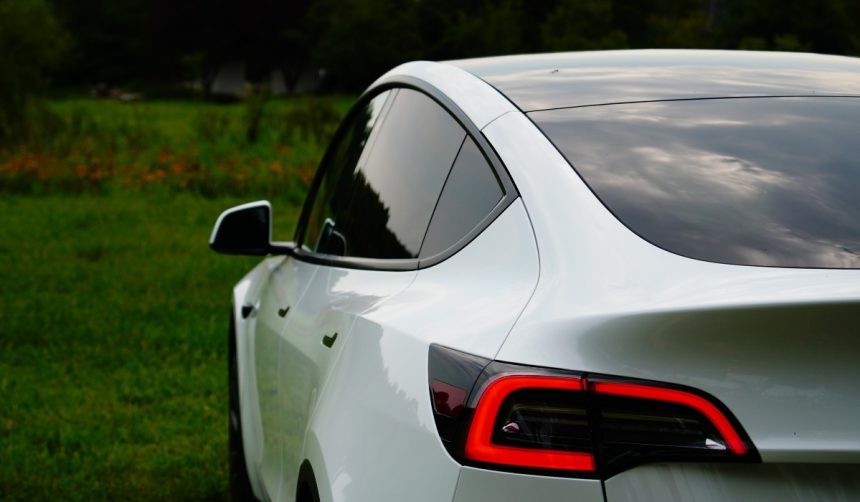
Tesla has introduced a new initiative in Texas, giving Cybertruck owners equipped with Powershare the opportunity to supply electricity back to the local grid during periods of high demand. This development arrives as power management becomes increasingly crucial in the face of extreme weather events and energy shortages. The program, Powershare Grid Support, connects individual vehicle owners with community needs, opening an avenue for compensation tied directly to their contribution. As energy resilience becomes a growing concern in Texas, some residents may see further value in owning a Cybertruck beyond transportation.

Tesla announced the Powershare Grid Support program shortly after previous trials in limited regions and ongoing speculation about broader vehicle-to-grid (V2G) technology integration. Initial discussions around V2G services focused on Tesla Powerwall customers, but this new step marks a more direct connection to vehicle owners, particularly highlighting the Cybertruck’s capabilities. While past reports hinted at expansion to more markets, the formal launch in Texas signals Tesla’s increased confidence in leveraging Cybertruck’s high-capacity energy systems for grid stability, moving beyond theoretical potential into application. Early responses to V2G initiatives elsewhere indicated variable adoption rates, suggesting Tesla may face a gradual uptake at the start.
How Does the Powershare Grid Support Program Work?
Powershare Grid Support is currently available by invitation to select Cybertruck owners in Texas who have appropriate home backup equipment and reside in territories managed by CenterPoint Energy or Oncor. By enrolling through the Tesla app, qualified participants opt their vehicles into supporting the grid during peak demand times, when the grid operator signals a need for additional resources. Cybertrucks will automatically discharge stored electricity, and owners will receive bill credits as compensation from their utility providers.
What Should Cybertruck Owners Know About Participation?
Participants are required to keep their vehicles plugged in at home to ensure the system can respond quickly during grid stress events, which may arise on short notice. Tesla encourages users to manage their discharge settings to align with personal driving and energy needs. The payout for contributing power is determined by local electricity plans, a system previously applied to Tesla Powerwall’s Virtual Power Plant programs, where users have been able to earn bill credits for similar services.
Where Is the Program Heading Next?
Tesla’s program is limited for now but is intended to expand to other states, with California named as the next target. The company specified that eligibility there will involve major utilities including PG&E, SCE, and SDG&E. The existing Powershare feature allows the Cybertruck to provide up to 11.5 kW of backup power to homes, and the company hopes to further integrate vehicle-based energy sharing as part of a broader energy strategy.
Tesla Energy said, “Starting in select Texas markets, owners of Cybertruck + Powershare will be able to participate in our first Powershare Grid Support Program.”
Cybertruck Powershare functionality leverages hardware already installed for home backup, reducing the need for additional upgrades by early adopters. According to Tesla,
“This allows you to earn money while supporting your community.”
The program indicates a move towards distributed energy, where vehicle batteries play a supplementary role in broader electrical infrastructure, particularly during periods of strain.
Tesla’s launch of vehicle-to-grid services signals growing confidence in distributed energy approaches, especially in regions with notable power reliability concerns like Texas. By utilizing Cybertruck’s battery capacity as a resource, both drivers and communities stand to benefit during times of electrical instability and high usage. For potential participants, the most useful practice is to keep their Cybertruck plugged in when not in use and to stay informed through their Tesla app for program updates or new opportunities. As V2G technology matures, owners of compatible vehicles may expect more structured rewards in return for their contributions, adding value to their investment and encouraging more effective energy use across communities.