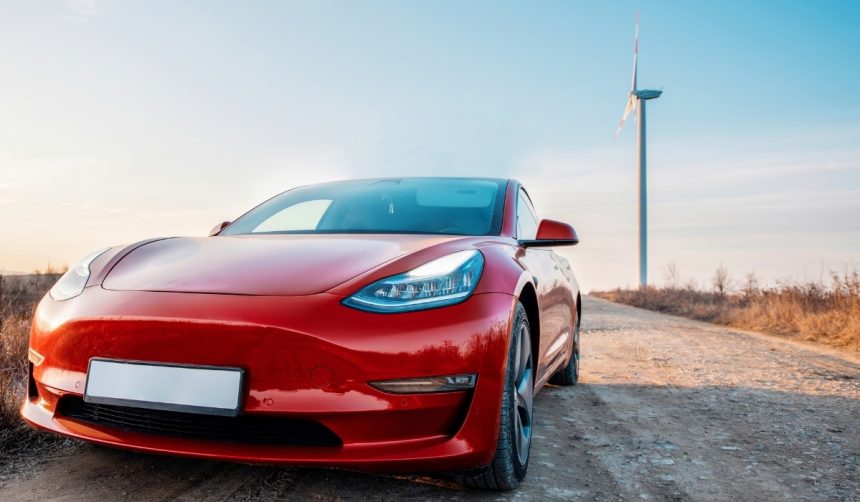

EV drivers in Norman, Oklahoma, soon gain a new charging destination as Francis Energy partners with Tesla to launch four branded Superchargers near the University of Oklahoma. Local businesses are taking note of the advertising potential and increased customer traffic that the “Supercharger for Business” program provides. This initiative also signals ongoing efforts to address regional charging infrastructure shortages, ensuring that electric vehicle adoption is more accessible and visible in community hubs.
When Tesla rolled out its “Supercharger for Business” program in 2023, most deployments focused on high-traffic commercial areas in Florida and other coastal states. Previously, companies like Suncoast used this Tesla platform to capture local EV users while integrating company branding. Unlike the latest venture in Oklahoma, past launches primarily centered on major urban areas, leaving college towns and broader regional infrastructure less emphasized. The new collaboration demonstrates a shift as Tesla’s branded Superchargers move into more diverse locations, aiming to serve different community needs and creating opportunities for companies to participate directly in the EV charging business.
Why Are Branded Superchargers Appealing for Businesses?
Businesses adopting branded Superchargers can attract both existing and potential customers who rely on EV charging when deciding where to spend their time and money. Francis Energy’s decision to install four Tesla Superchargers in Norman is seen as a strategy to boost visibility and drive more customer visits. Tesla highlights the cross-compatible value, stating:
“Superchargers are compatible with all electric vehicles, bringing EV drivers to your business by offering convenient, reliable charging.”
This approach allows businesses to offer charging at personalized rates, maximizing flexibility for customer engagement.
How Does This Program Affect Regional EV Infrastructure?
With over 14 charging stations in Oklahoma, Francis Energy is actively working to upgrade some of its existing locations to Tesla Superchargers, broadening the reach of fast-charging compatible with a variety of EV models. Such efforts directly support efforts to overcome EV adoption barriers related to range and accessibility. The partnership also furthers Oklahoma’s participation in national clean energy shifts and positions the company as a key player beyond traditional oil and gas activities. Francis Energy described these plans as ongoing, noting:
“It will not be the final Supercharger location that Francis Energy plans to open.”
What Does This Mean for the Future of EV Charging Businesses?
Wider participation in the Supercharger for Business program by regional companies could encourage other businesses to feature branded charging options, sparking a competitive market for customer loyalty among EV drivers. Tesla’s program not only helps fill EV infrastructure gaps but also allows local enterprises to employ new advertising methods and incentives to attract environmentally conscious customers. The expansion into academic and mid-sized markets may encourage other college towns to consider similar strategies, further decentralizing charging access away from larger cities.
Wider Supercharger rollouts in areas like Norman, Oklahoma, combine commercial opportunity with practical infrastructure growth. As more companies seize the chance to co-brand with Tesla, EV drivers see more charging options, while businesses gain tools to differentiate themselves and increase foot traffic. For any organization considering the addition of EV charging, participating in programs like “Supercharger for Business” offers a dual benefit: enhanced community service and a unique platform for visibility. Local deployment of fast chargers has measurable impacts, from decreasing range anxiety to providing digital and physical advertising for hosting businesses. If business leaders stay attentive to geographic market shifts and new consumer habits, similar partnerships can provide mutually beneficial outcomes in growing EV markets.