
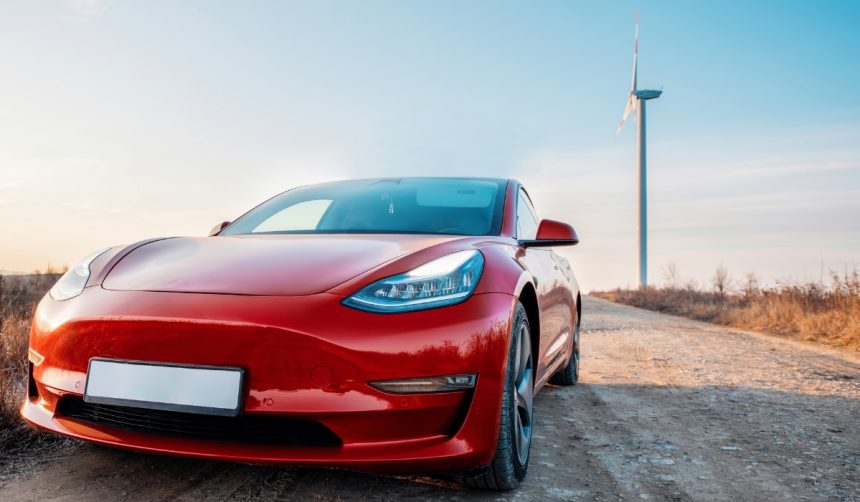

A surge in electric vehicle interest has dramatically changed Norway’s car industry, with the country achieving its highest ever new car sales in 2025. Most vehicles leaving showrooms were fully electric, as consumers acted ahead of tax policy adjustments. The race for electric mobility placed Tesla in a prominent position, making a noticeable impact on buyers’ preferences. Increased demand was also fueled by public awareness of impending costs, leading to an historic shift in national vehicle registration statistics.
Earlier reports about Norway’s vehicle market focused on gradual EV adoption, often highlighting a steady year-on-year improvement and other brands occasionally taking turns at the top spot. This year marks a differing trend, with Tesla not just leading but achieving a scale that was previously considered unlikely for a single manufacturer, especially considering the traditionally competitive automotive environment in the region. The drastic increase in registrations, spurred by upcoming policy changes, has led to unprecedented figures for both total sales and electric vehicle market share, surpassing predictions made in prior analyses.
What fueled Norway’s car sales in 2025?
Shoppers rushed to purchase electric vehicles before a significant VAT hike took effect, which increased taxes by up to 50,000 kroner for many new EVs. This deadline prompted an exceptional uptick in demand, culminating in nearly 180,000 new vehicle registrations in the year. Electric models accounted for 96% of these sales, making plug-in vehicles the clear choice for drivers across the country.
How did Tesla outperform other manufacturers?
Tesla’s market presence was seen in both overall brand performance and individual model popularity. The company registered over 34,000 cars, giving it a market share of nearly 20%. The Tesla Model Y alone made up more than 15% of all new cars sold, while the Model 3 also remained a strong contender. Direct competitors like Volkswagen and Volvo trailed behind, with 13.3% and 7.8% market shares respectively. Other EV models such as Volkswagen ID.4, ID.7, and Toyota bZ4X also saw notable but comparatively lower sales figures.
What do experts say about this trend?
Industry analysts noted Tesla’s achievement, particularly given its focused lineup. Geir Inge Stokke, OFV’s director, reflected on the scale of this accomplishment:
“Taking almost 20% market share during a year with record-high new car sales is remarkable in itself,”
he observed, also commenting,
“When a brand also achieves such volumes with so few models, it says a lot about both demand and Tesla’s impact on the Norwegian market.”
The market landscape indicates a growing preference for electric models, influenced by both fiscal policy and consumer interest.
Norway’s experience offers insights for other countries aiming to encourage mass EV adoption. The sharp rise in electric vehicle registrations demonstrates the powerful effect of coordinated policy changes and market incentives on consumer behavior. Buyers’ responsiveness to tax adjustments reveals the importance of timing and information in promoting sustainable practices. Additionally, Tesla’s dominance shows that a focused product strategy can succeed even in highly competitive markets when aligned with customer needs and regulatory environments.