
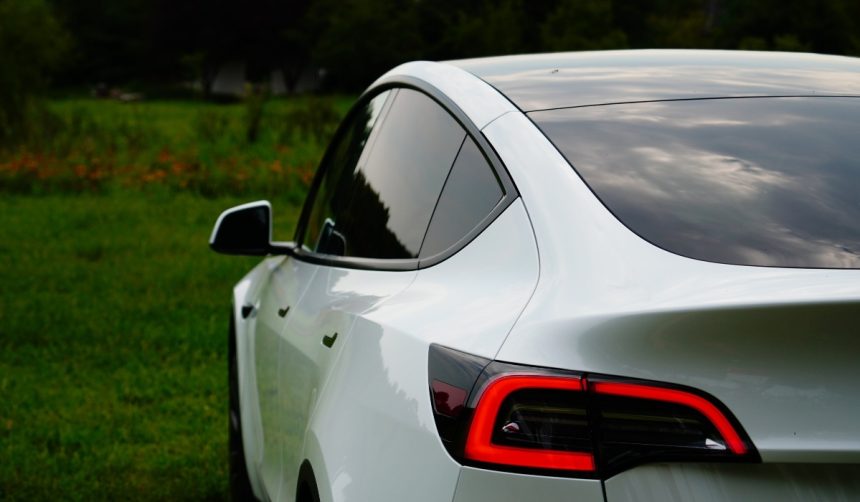

Americans seeking electric vehicles in 2025 favored Tesla’s familiar offerings, as new sales data reveal that the Model 3 and Model Y once again led a competitive landscape. Tesla maintained strong momentum even as industry observers noted both rising electric vehicle choices and a subtle slowdown in overall market adoption. Price sensitivity, production adjustments, and public debates about Tesla’s leadership influenced consumer sentiment, but did not fundamentally disrupt the company’s dominance in the segment. The latest numbers capture a year where brand familiarity and established products seemed to outweigh the broader uncertainties swirling around the EV industry.
Sales reports from past years highlighted both rapid year-over-year growth for Tesla and a shrinking gap between Tesla and rival automakers as brands such as Ford, Hyundai, and Chevrolet introduced popular models like the Mustang Mach-E, Ioniq 5, and Bolt EV. However, the 2025 data contrast previous predictions that competitors would significantly reduce Tesla’s market share by this date—Tesla’s main models still held a commanding position. Earlier speculation around consumer fatigue with Model 3 and Model Y does not match the persistence and segment share seen in the updated figures. While 2024 comparisons showed new entrants gaining ground, 2025 outcomes demonstrate that Tesla’s incumbency, especially for its best-selling models, continues to be a defining feature of the U.S. EV space.
What do current sales numbers reveal?
Recent data from Kelley Blue Book show Tesla delivered 192,440 Model 3 sedans in the United States in 2025, marking a modest 1.3% increase compared to the previous year. The Model 3 comprised nearly 16% of all electric vehicle sales nationally. Despite facing a dip, the Model Y reached 357,528 U.S. deliveries—a decrease of 4% year-over-year that reflected temporary production shutdowns driven by the launch of its refreshed version. Together, the Model 3 and Model Y made up more than half of all EVs sold in the country in 2025.
How did Tesla respond to production and market challenges?
Factory shutdowns at Tesla’s Fremont and Texas locations, planned as part of the Model Y refresh, temporarily affected output. Nevertheless, Tesla managed to maintain dominance in the mass-market segment. A company spokesperson stated,
“Even with temporary disruptions, our core vehicles continued leading in consumer demand.”
While some premium Tesla models, specifically the Cybertruck, Model S, and Model X, experienced notable declines, the mass-market vehicles remained resilient, signaling ongoing price consciousness among buyers.
Did external controversies impact consumer demand?
Public controversy and political conversations surrounding CEO Elon Musk generated speculation about potential impacts on the brand’s reputation. Yet, the sales resilience of Model 3 and Model Y suggested limited practical effect. As one Tesla representative commented,
“We are focused on building the best possible vehicles for our customers, and the numbers speak for themselves.”
Close to 59% of all U.S. EV deliveries in 2025 were Tesla vehicles, underscoring a continued market preference despite a generally softer EV landscape.
Tesla’s 2025 sales performance demonstrates that durable brand recognition, established product lines, and strong retailer networks remain central to consumer choices in the evolving EV sector. For potential buyers, monitoring production schedules and model updates could be valuable as even brief plant closures can impact availability and market dynamics. Despite the noise from new market entrants, loyalty to tested models continues to drive the largest shares. Those researching U.S. EV trends may find that public debates or leadership controversies are less influential on actual purchase decisions than predicted, with factors like product reliability, price, and availability retaining primary importance for most buyers.