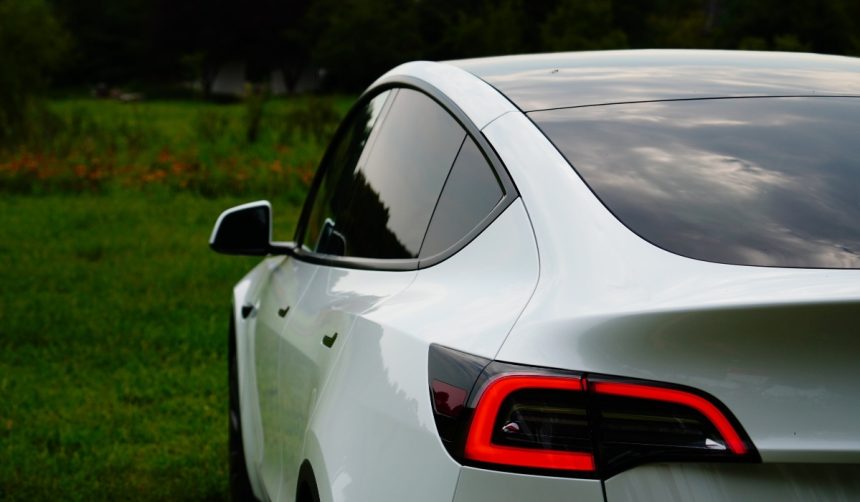

In a rural region often underserved by traditional transport, Tesla has initiated a public shuttle program featuring its Full Self-Driving (Supervised) technology in the Eifelkreis Bitburg-Prüm district of Germany. The pilot service seeks to offer reliable, on-demand travel for residents facing limited mobility, a challenge common across Europe’s countryside. With local government figures and German officials participating directly in the trial runs, the project highlights both the promise of advanced driver assistance and its immediate impact on rural quality of life. Community members, local representatives, and ministers all weighed in as the offering becomes part of ongoing discussions about sustainable mobility and improved access outside metropolitan areas.
Earlier coverage centered predominantly on regulatory hurdles for autonomous vehicles in Europe, with skepticism about their capability to function in regions without urban infrastructure. Reports usually highlighted technical demonstrations in city environments, rather than targeting rural areas with unique mobility needs. The new initiative marks a significant departure, focusing on aiding seniors and residents without access to public transit, and building on the region’s Citizen Bus scheme. The direct involvement of regional policymakers in testing and evaluating Tesla’s Full Self-Driving pilot points to a broader acceptance of the technology, while discussions now extend beyond feasibility to community integration.
How Did Officials React to the Demonstration?
Government leaders from Eifelkreis Bitburg-Prüm, including Arzfeld Mayor Johannes Kuhl and District Administrator Andreas Kruppert, personally experienced Tesla’s Full Self-Driving shuttle navigating local country roads. Both officials remarked on the smooth performance and confidence of the system. In their statements, Kruppert expressed,
“Autonomous driving sounds like science fiction to many, but we simply see here that it works totally well in rural regions too.”
Supporting this view, Kuhl commented,
“FSD feels like a very experienced driver.”
Their feedback underlines the perceived benefit for residents who traditionally face substantial transport barriers.
How Does the Project Fit With Current Services?
The Tesla shuttle is not replacing existing services, but is supplementing them. The district already operates a “Citizen Bus” system, tailored for individuals—particularly the elderly—who cannot drive themselves. The introduction of Tesla’s Full Self-Driving service offers a modern alternative while maintaining the region’s commitment to social inclusion. By providing flexible, complimentary rides, the initiative aims to address gaps in public infrastructure and widen access to healthcare, shopping, and community activities.
What Is the Broader Perspective of Regional Authorities?
Local and state authorities have publicly supported the pilot. Rhineland-Palatinate’s Minister for Economic Affairs and Transport, Daniela Schmitt, stated that this collaborative venture is the first of its kind within Europe. The ministry claims the rural-focused deployment of Tesla’s FSD demonstrates value beyond major cities, allowing greater flexibility and independence for residents with few transportation options. They emphasized that adaptive public transport can significantly enhance rural life rather than just serving as a technical showcase.
Applying autonomous vehicle technology in areas like Eifelkreis Bitburg-Prüm demonstrates how advanced driver assistance may solve practical, everyday problems outside urban cores. Unlike previous technology launches that centered on densely populated cities, this project’s focus is sharply on rural accessibility and the needs of less-mobile citizens. For communities that struggle with shrinking populations and aging residents, automated shuttle services like Tesla’s could contribute to improved social participation and local economic resilience. Observing feedback from residents and officials may guide future implementations, while also prompting wider European debate about transport priorities, public-private partnerships, and tech adoption across diverse landscapes.