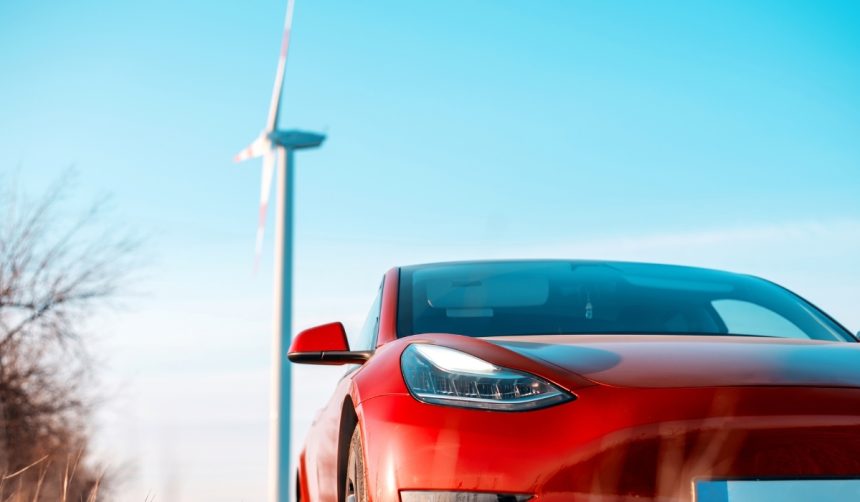

Under Berlin’s city lights, Tesla‘s FSD Supervised system underwent a public demonstration, offering a glimpse into the current level of self-driving technology. The ride, conducted with Auto Bild—Germany’s largest auto magazine—provided first-hand evidence of progress in Tesla’s approach, highlighting both the system’s strengths and remaining challenges. Passengers noted a marked improvement in how the car navigated complex urban conditions, reinforcing growing interest in automated driving within the region as regulatory bodies weigh its approval. The demonstration signals Tesla’s intent to expand beyond North America and Asia, aiming to bring its driving assist features to new European markets.
When Tesla’s driver-assistance technologies launched in other regions, early user feedback often cited inconsistent handling of city situations and limited adaptability in dynamic road scenarios. By contrast, observers in Berlin described the latest FSD Supervised as less reliant on manual corrections and more responsive to unpredictable road users or signage changes. Features like early pedestrian detection and careful lane handling—once flagged as pain points—now appear as strengths, indicating continued development. The fact that approval is still pending underscores the differing regulatory standards that companies must navigate between continents, with Europe imposing some of the strictest criteria in the world.
How Does FSD Supervised Perform in Urban Driving?
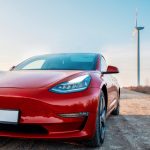
During the Berlin test, Tesla’s Model 3 equipped with FSD Supervised handled dense urban traffic, negotiating roadworks, reading pedestrian cues, and executing overtaking maneuvers up to 140 km/h. The system’s vision-only approach enabled it to adjust to unique situations, though a single manual intervention was necessary when a temporary one-way street caused confusion. Tesla representatives pointed to these moments as part of the ongoing learning process, reinforcing their commitment to improvement.
“FSD Supervised demonstrates our software’s adaptability to environments with frequent changes, thanks to its vision-based architecture,” said a Tesla spokesperson.
Will Regulatory Approval Affect the European Rollout Timeline?
Tesla is pursuing certification in multiple European countries, targeting the Netherlands as a gateway for the FSD Supervised feature. The company plans to release the system via an over-the-air update as early as February 2026, pending exemption approvals. In markets such as the U.S. and China, similar systems have already moved out of pilot phases, making Europe the next logical step, though its regulatory process is lengthier. Regional authorities maintain that driver-assistance tools must prove reliability across diverse conditions before widespread deployment.
How Does FSD Supervised Compare With Competing Systems?
While brands like Mercedes-Benz and BMW have rolled out driver-assist solutions in select countries, Tesla’s FSD Supervised aims to distinguish itself through its camera-based perception and broader integration with car controls. The company asserts that its 360-degree sensor suite offers comprehensive coverage, while competitors still rely partly on radar or lidar. The Berlin test reflected this difference, with FSD Supervised effectively coordinating braking and acceleration without driver input.
“This system represents an important step in driver-assistance and showcases the learning capacity of our neural networks,” Tesla stated.
Tesla’s evolution from earlier versions of Autopilot and initial Full Self-Driving experiments demonstrates ongoing adaptation to varying international demands. With FSD Supervised, Tesla appears to have addressed some previously noted limitations in construction site navigation and attention to unpredictable city events. However, real-world experience and regulatory hurdles will remain significant factors before the system reaches the public in Europe at scale. Auto Bild’s evaluation suggested optimism but also cautioned that true autonomy is yet to be fully realized. In future rollouts, drivers can expect further software updates as Tesla continuously collects feedback and refines the technology to fit local driving environments. Prospective buyers should remain aware that human attention is still mandatory, and regulatory requirements could affect availability and feature sets nation by nation.