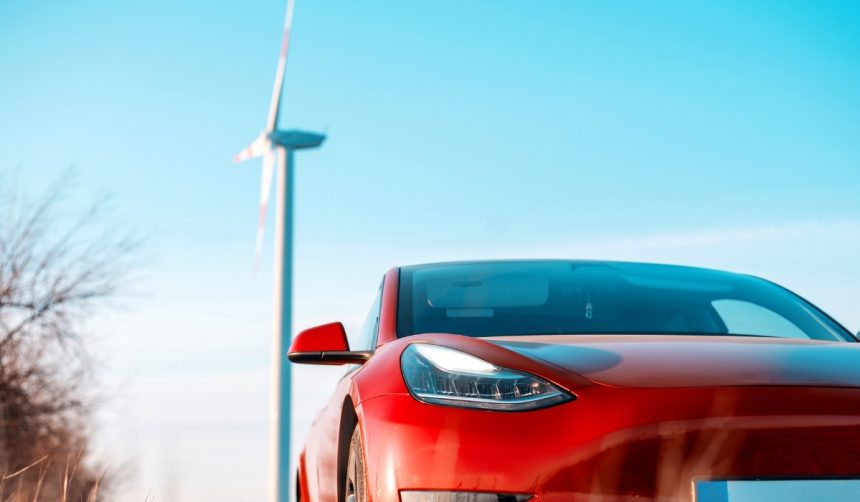

Tesla‘s recent Full Self-Driving (FSD) v14.2.1 update introduces a feature allowing drivers to text under certain traffic conditions, sparking renewed debate over in-car technology and driver safety. Designed to adapt the driver monitoring system based on surrounding traffic, this update positions the Tesla FSD software among the most context-sensitive systems available. While drivers may gain limited phone access behind the wheel, many still question whether technology can effectively balance convenience with safety obligations on public roads. This development prompts drivers to assess not only what new features offer but also the responsibilities they carry, especially where local laws and personal accountability intersect.
Earlier reports about the timeline for texting capabilities in Tesla vehicles suggested that such updates would take one to two months after initial announcements, with technical and legal challenges cited as potential delays. Reviews from past FSD iterations focused on the sensitivity of the driver monitoring system, noting frequent alerts even for short glances away from the road. With this most recent release, the calibration appears more nuanced, adjusting based on traffic scenarios—an evolution from more rigid monitoring in earlier versions. Observers continue to point out the unresolved legal ambiguities surrounding device use in moving vehicles, regardless of automation.
How Does the New FSD Texting Feature Work?
The v14.2.1 version of Tesla’s FSD, as described by CEO Elon Musk, allows texting and driving “depending on [the] context of surrounding traffic.” During trial runs, testers observed that the system’s driver monitoring sensitivity varied depending on vehicle congestion—being more lenient in low-traffic settings and more restrictive as traffic density increased. This approach intends to limit distractions but still gives drivers greater flexibility than older versions. The driver monitoring mechanisms were less likely to intervene during brief phone use in low or medium congestion, but quickly alerted in high-traffic scenarios.
What Are the Observed Risks and User Reactions?
Testers expressed caution about using the texting feature, citing both legal and ethical concerns. Local regulations in numerous jurisdictions still ban device usage behind the wheel, regardless of the automation level. The driver behind the FSD test highlighted personal hesitance, stating,
“I still do not feel totally comfortable with it. I would not ever consider shooting a text or responding to messages because Full Self-Driving is enabled.”
Even with automation, the operator remains legally responsible in the case of an incident, raising questions of liability.
Will Legal and Policy Concerns Impact Adoption?
State laws—including those in Pennsylvania—often prohibit any handling of phones while driving, complicating the actual adoption of this feature. Tesla’s own documentation reinforces that drivers must remain attentive, regardless of FSD engagement. This reinforces the dual challenge: while Tesla is signaling increasing automation, public policy and safety advocates urge continued vigilance. As one tester reflected,
“I trust FSD, but I am still erring on the side of caution, especially considering Tesla’s website still indicates vehicle operators have to remain attentive while using either FSD or Autopilot.”
Introducing limited texting in FSD v14.2.1 underscores the complexities around semi-automated vehicle operations and human factors. For drivers, it is essential to understand not just the technical boundaries but also the regulatory context in which they operate. Legal restrictions in some regions may already override technological permissions, making it risky to use this new feature even when enabled. Going forward, meaningful adoption will likely depend on further policy clarification and real-world safety assessments. Readers are advised to rigorously check local laws and pay close attention to road conditions, regardless of how advanced the vehicle technology may be.