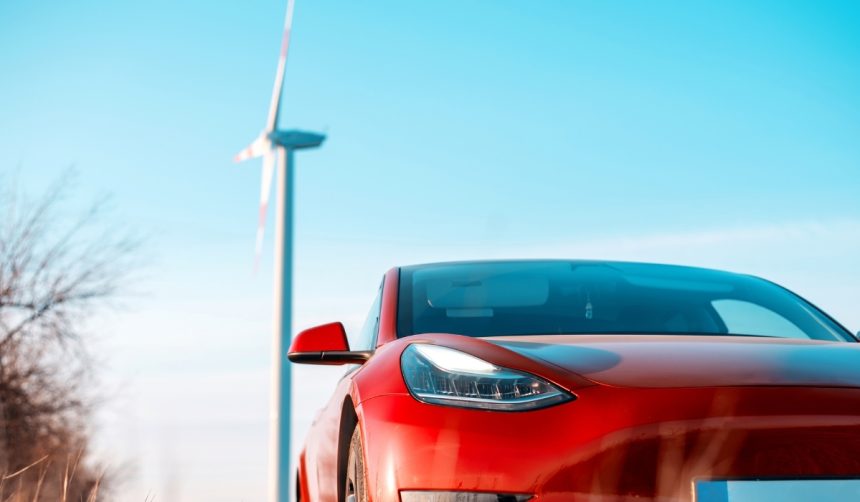

Tesla has introduced new full-time employment opportunities in Thailand as part of its ongoing Robotaxi program expansion. The company’s job postings in Bangkok and Kowloon mark its first hiring activities for this initiative in Thailand, which becomes the twentieth country to be included in Tesla’s growing network. The move draws attention to Tesla’s ambitions to collect localized driving data and better tailor its Full Self-Driving (FSD) technology for various international environments. Tesla’s foray into the Thai market arrives amid increasing global interest in autonomous transport solutions.
Thailand joins a diverse list of countries, including India, Israel, Taiwan, Germany, and others, which have previously seen recruitment for the same Vehicle Operator roles. While earlier reports indicated that such positions were limited to short-term engagements or were unavailable in certain markets, Tesla’s recent job listings for full-time hires in Thailand mark a notable shift. Data collection from these roles will contribute to the development and safety validation of the FSD program, a practice Tesla has employed in each market prior to launching new features.
How does Tesla use local data for its Robotaxi program?
Vehicle Operators play a crucial role in gathering real-world data, which supports the refinement of Tesla’s Autopilot and FSD technologies. The company leverages this information to understand driving behaviors and traffic dynamics in a given region. Tesla executives stated,
“These positions are essential for improving our autonomous driving systems to match local road environments.”
This approach aims to improve safety and efficiency as Tesla expands into new markets.
Where has Tesla launched its Ride-Hailing Program so far?
Currently, Tesla’s ride-hailing efforts are officially active in the United States, specifically concentrated in Austin, Texas, and the California Bay Area. While the Robotaxi service is not yet available to the public elsewhere, ongoing recruitment and testing in other countries are expected to pave the way for future launches. As the company pushes forward with its aggressive global timeline, interest continues to grow among prospective Vehicle Operators worldwide.
What obstacles slow Tesla’s European expansion?
Regulatory challenges in the European Union remain significant for Tesla, despite testing the FSD suite in countries like France and Spain. The company faces prolonged approval timelines due to safety and compliance standards unique to the region. A spokesperson for Tesla remarked,
“We are working closely with European regulatory bodies to ensure our technology meets local requirements.”
Gaining access to this complex market would mark a substantial milestone for Tesla’s international growth strategy.
Looking closely at previous global efforts, Tesla has steadily increased its footprint by introducing data collection and operator training in key markets before offering full self-driving services. Earlier launches often began with short-term or part-time roles, followed by expansions as regulatory or operational needs were met. While some competitors focus primarily on the U.S. or Chinese markets, Tesla’s unique emphasis on accumulating localized data abroad has set it apart within the autonomous mobility sector. Nevertheless, delays and regulatory complexities have occasionally slowed its broader ambitions outside North America. Thailand’s inclusion echoes the company’s stepwise approach seen elsewhere and signals ongoing momentum.
Extending its Robotaxi program into Thailand demonstrates Tesla’s continued interest in building a broad, international operational base for its autonomous vehicle initiatives. Potential applicants for Vehicle Operator roles in Bangkok and Kowloon will contribute directly to the FSD system, which relies on an extensive and diverse data set to function adequately in different traffic conditions. The addition of Thailand could accelerate regional data gathering crucial for eventual service launches in Southeast Asia. Readers interested in autonomous vehicles should note that regulatory landscapes differ vastly by country, often causing uneven rollout timelines. Staying informed about regulatory developments and embrace of autonomous technologies provides valuable context for understanding broader industry trends and Tesla’s position within them.