
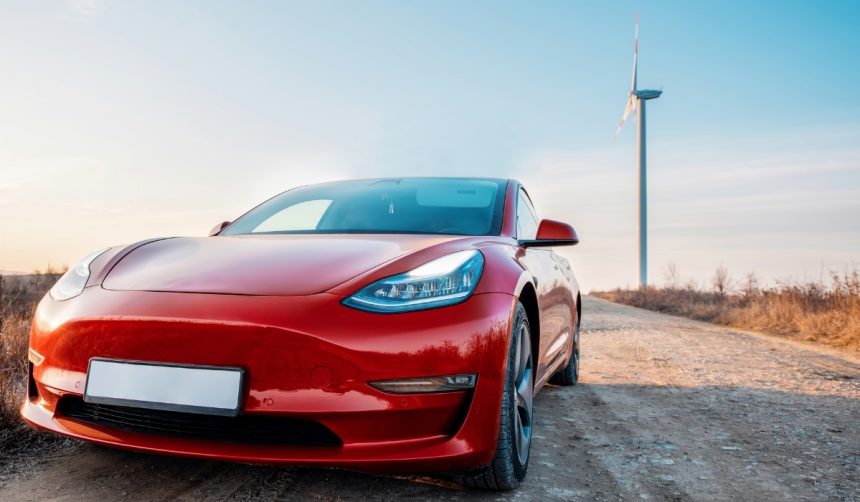

Tesla has brought the Model Y Standard to market, responding to the expiration of the $7,500 federal EV tax credit by offering a more affordable alternative. Designed to attract cost-conscious drivers, the Model Y Standard comes with a $9,000 discount compared to the Premium All-Wheel-Drive version. While budget-driven consumers are interested in the lower entry price, the car’s more basic trim level strips out several convenience and comfort features commonly found in the upper-tier variants. As buyers consider the tradeoffs, the question remains whether price savings outweigh reduced amenities and performance.
Tesla’s pricing strategy for the Model Y has shifted in light of evolving incentive structures and competitive electric vehicle offerings. While earlier iterations of the Model Y prioritized premium features for a broader demographic, the new Standard trim emphasizes affordability. Previous reports on Tesla’s entry-level configurations have underscored the company’s ongoing efforts to balance price with essential features, but consumer feedback has often highlighted disappointment in reduced comfort and technology. The current Standard release narrows this compromise, reflecting both input from Tesla drivers and the brand’s focus on market share, as seen with similar moves in other regions.
What Features Are Absent in the Model Y Standard?
The Model Y Standard omits several elements found in higher trims, notably the glass roof, premium sound system, multiple acoustic-lined glass windows, and various storage options. Textile seats replace vegan leather, sacrificing seat ventilation and luxury feel. Interior adjustments, such as seat controls, are only accessible through the central touchscreen, which can inconvenience some drivers. As Tesla addresses these changes, a company spokesperson stated,
“Our goal is to broaden EV accessibility without compromising core Tesla attributes.”
The lack of these features prompts buyers to weigh basic utility versus a fully equipped experience.
How Do Ride Quality and Performance Compare?
Despite the reductions in luxury and technology, the overall driving experience between the Standard and Premium Model Y is relatively similar. Both offer agile handling and solid road performance, with only minor differences in suspension stiffness noted. However, acceleration feels less immediate in the Standard, with the swift torque that characterizes many electric vehicles noticeably subdued. This diminished sensation may surprise those accustomed to Tesla’s signature quick launches, especially those cross-shopping against performance-oriented trims.
Is the Lower Price Worth the Trade-Offs?
For $9,000 less than the Premium model, buyers of the Standard must accept louder cabin noise due to less acoustic glass and a less robust audio system. While these omissions might not affect all users equally, those seeking a quieter, more immersive environment may find the downgrade significant. Tesla observed,
“We engineered the Model Y Standard to deliver fundamental Tesla quality at a more accessible price point,”
positioning it as ideal for fleet use or as a starter vehicle for younger drivers. For personal use, individual priorities and expectations play a larger role in satisfaction with the purchase.
The balance Tesla attempts with the Model Y Standard highlights persistent challenges in the electric vehicle market: matching affordability with desired features. Earlier Standard Range Tesla models were met with mixed reception, often criticized for cutting features many owners considered essential. With this new edition, the trade-off appears intentional, focusing on essential electric vehicle qualities at a competitive price. For consumers, the decision centers on which attributes they are willing to forgo for financial savings, a discussion likely to intensify as competitors offer similar budget-oriented options.
Shoppers evaluating the Model Y Standard against higher trims would benefit from test driving both versions to personally assess the differences in comfort, noise, and technology. Those prioritizing range, performance, and a quieter cabin may still lean toward spending more for the Premium configuration. For buyers on a strict budget or seeking a practical EV for routine commutes or business use, the Standard could fit their needs. Awareness of the model-specific compromises is crucial, as customer expectations will differ based on intended vehicle use. With the ongoing expansion of electric offerings, understanding these choices helps consumers find the most suitable vehicle for their investment.