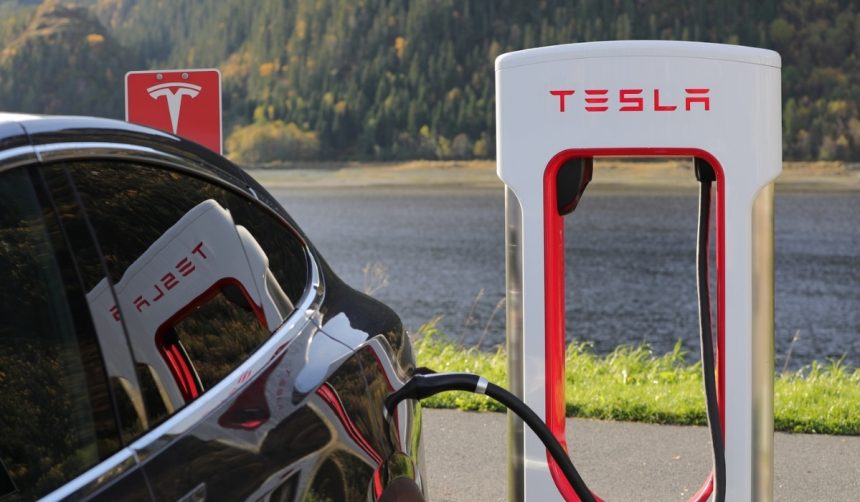

In a move that signals a deepening commitment to artificial intelligence, Tesla has invested $2 billion in xAI, acquiring Series E Preferred Stock alongside other investors. This financial commitment, made effective on January 16, 2026, was delineated in Tesla’s Q4 2025 Shareholder Deck. The collaboration between the two entities underlines the growing intersection between hardware manufacturing and AI software development, highlighting the increasing importance Musk places on integrating these fields across his network of companies. Analysts note that the timing of this investment—following similar moves by SpaceX—reflects a broader strategy to unite Musk-led ventures around AI innovation.
Earlier news cycles surrounding xAI focused on its foundational ambitions to counterbalance prevailing trends set by industry leaders like OpenAI and Google. Initial reports emphasized xAI’s stated mission to seek unbiased, truth-oriented AI models. By contrast, Tesla’s historical AI efforts were centered on automotive autonomy and advanced robotics. Compared to these earlier positions, the latest investment marks a shift toward shared resources and closer technical collaboration between the two companies, signaling a more integrated approach moving forward.
What Does Tesla Aim to Achieve with This Investment?
With this $2 billion investment, Tesla is aiming to bring sophisticated digital AI from xAI, including its Grok large language model, into real-world applications through its vehicles and devices. As stated in Tesla’s Q4 summary, the company noted their goal in weaving AI into the physical world through both their automotive and robotics programs. The newly signed framework agreement supports ongoing evaluation of joint ventures, fueling speculation about future innovations in both domains.
How Might Grok and xAI Impact Tesla’s Products?
Integration of Grok and other AI models from xAI could lead Tesla to optimize areas such as battery efficiency, predictive maintenance, and Full Self-Driving (FSD) solutions. This potential is echoed by the official statements:
“As set forth in Master Plan Part IV, Tesla is building products and services that bring AI into the physical world. Meanwhile, xAI is developing leading digital AI products and services, such as its large language model (Grok).”
If successful, these enhancements may provide Tesla with competitive advantages relative to automated driving rivals like Waymo, while also strengthening its leadership in robotics through improved autonomy.
What Are the Implications for Investors and Strategic Direction?
The deal promises possible financial benefits for investors, including the prospect of increased stock value and improved innovation margins. With xAI’s valuation rising, the partnership could attract new capital and generate market enthusiasm. According to Tesla,
“Together, the investment and the related framework agreement are intended to enhance Tesla’s ability to develop and deploy AI products and services into the physical world at scale.”
The transaction is awaiting customary regulatory approvals and is expected to close in the first quarter of 2026.
This investment reflects a notable convergence of AI aspirations between Tesla and xAI, moving beyond their initial solo trajectories. By pooling expertise and aligning investment arms, Musk’s companies could fast-track AI features into consumer products, bridging the gap between digital intelligence and tangible automation. Those following developments in both the electric vehicle and artificial intelligence sectors will want to watch how this partnership impacts Tesla’s product pipeline and competitive stance. Investors and technology enthusiasts should consider how combining hardware data with advanced AI models might accelerate progress in autonomous systems and broader robotics. Continued monitoring of regulatory developments, joint product announcements, and emerging applications will help interested parties gauge whether the anticipated benefits of this partnership are realized.