Consumer perspectives on electric vehicles have undergone a notable shift, as indicated by the results of the 2026 JD Power EV Owner Satisfaction ranking. Tesla maintained a strong position, with its Model 3 and Model Y vehicles scoring 804 and 797 out of 1,000, outperforming all other electric cars surveyed. These findings emerged during a period marked by changing incentives and growing expectations in the electric vehicle market. Many drivers have expressed increasing satisfaction with EV ownership, particularly regarding improvements in battery technology and public charging infrastructure. With the competition intensifying, manufacturers continue to refine their vehicles and services to meet evolving customer needs.

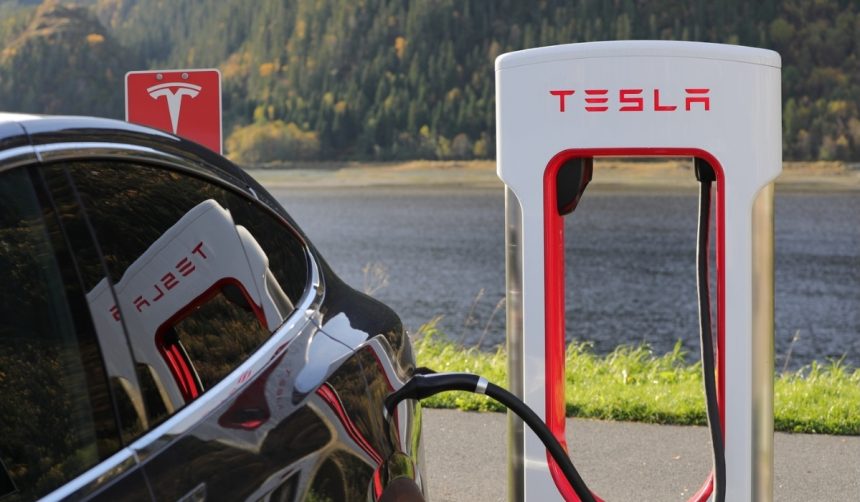
Earlier studies often reported higher satisfaction for luxury EV brands, but typically, satisfaction was undermined by charging infrastructure concerns. The latest survey reveals a shift, with satisfaction regarding public charging showing clear improvement, largely due to the expansion of Tesla’s Supercharger Network and openness to other brands. Mainstream rivals had previously narrowed the gap on technology and driving quality, but Tesla’s presence in owner rankings has demonstrated significant endurance, maintaining its lead over brands such as BMW, Cadillac, and Rivian.
How Did Tesla Secure the Top Scores?
Tesla’s Model 3 and Model Y achieved the two highest satisfaction scores, closely followed by BMW’s i4 and iX models. The study places the segment average for “Premium Battery Electric Vehicles” at 786 points, with vehicles like the Cadillac OPTIQ and Rivian R1S trailing behind. Tesla’s strategies in user experience and dedicated charging networks have contributed to these outcomes. The Ford Mustang Mach-E led the “Mass Market Battery Electric Vehicles” group, scoring 760, above its segment average of 727.
What Drives Increasing Public Charging Satisfaction?
Public charging satisfaction reached record levels according to JD Power, attributed mainly to ongoing expansion of the Tesla Supercharger Network. The study highlighted that more owners are finding it easier to locate and use public chargers, which has reduced a major pain point for potential EV buyers. Increased reliability and extended access to non-Tesla brands have also improved perceptions among owners. JD Power’s Brent Gruber noted,
“Improvements in battery technology, charging infrastructure, and overall vehicle performance have driven customer satisfaction to its highest level ever.”
Does Owner Loyalty Persist Without Federal Incentives?
Despite the expiration of the federal tax credit program in September 2025, the majority of current electric vehicle owners have indicated a willingness to consider another EV when making future purchases. Enthusiasm for EVs appears sustained, irrespective of government incentives. Gruber observed,
“The vast majority of current EV owners say they will consider purchasing another EV for their next vehicle, regardless of whether they benefited from the now-expired federal tax credit.”
The study suggests that consistent product refinement and service enhancements have played an essential role in maintaining customer satisfaction and loyalty.
The survey underscores shifting consumer attitudes, emphasizing how tangible advances in charging networks and EV performance are shaping real-world perceptions. While earlier reports stressed challenges in charging access and service quality, the 2026 data points to meaningful progress, especially for brands investing in proprietary infrastructure like Tesla. Observing these market movements is instructive for both potential buyers and industry stakeholders, highlighting that satisfaction now depends as much on supporting services and after-purchase experiences as it does on the vehicles themselves. For consumers weighing an EV purchase, ongoing enhancements in charging reliability and vehicle options are significant factors to monitor as the sector matures.