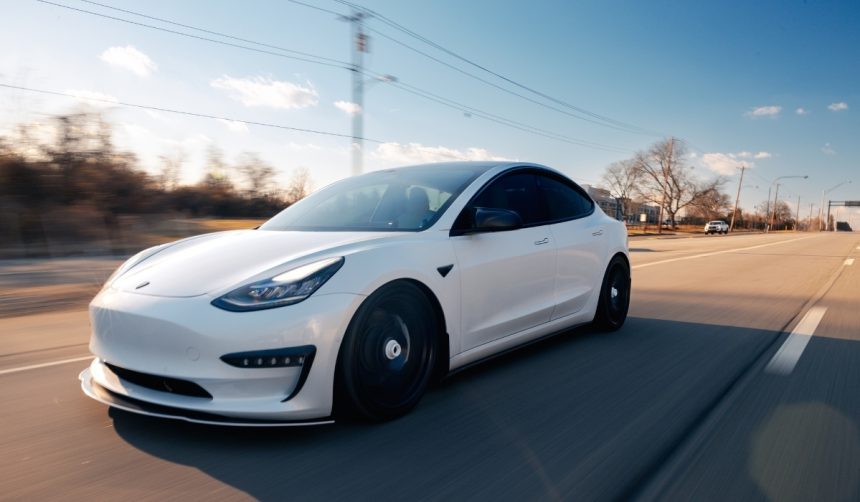

Automakers worldwide have intensified their focus on electric mobility, yet Tesla continues to make significant marks with its Model Y. Consumers in multiple regions now regularly opt for electric vehicles, with the Model Y achieving sustained popularity across diverse demographics. Buyers cite practicality and technology integration as major factors behind their decisions, reinforcing Tesla’s position among established global brands. The past year introduced new Model Y variants, offering expanded choices and serving wide-ranging consumer preferences.
Other reports previously highlighted the Model Y’s unexpected rise, pointing out that Toyota models such as the Corolla and RAV4 had typically dominated the market in previous years. In contrast, more recent information demonstrates that Tesla has maintained a stronghold on the global sales chart, even when facing temporary production halts and increasing competition in electric vehicle segments. Earlier discussions also noted challenges with distribution and the initial customer unfamiliarity with EV technology, issues which now seem diminished given the Model Y’s current lead. Consistency in consumer demand marks a notable shift from earlier uncertainties about electric cars’ mainstream viability.
What Supported the Model Y’s Ongoing Success?
Sales figures for the Model Y remained resilient during 2025, despite operational disruptions linked to new variant rollouts. Tesla orchestrated a transition at its major factories to debut an updated Model Y, resulting in a temporary pause in production during the first quarter. Nonetheless, strong performance in subsequent quarters compensated for early-year declines, underscoring steady market appeal. Tesla commented on their achievement, stating,
“World’s best-selling car of any kind.”
New Model Y options, such as the six-seat extended wheelbase Model Y L and the entry-level Model Y Standard, broadened its reach further.
How Did Temporary Production Halts Affect Sales?
Tesla’s global transition to the refreshed Model Y temporarily disrupted output, but the impact on overall market share proved limited. The company’s Q1 report noted that all four main factories paused assembly lines for several weeks, primarily to adapt to new processes and features. Despite the setbacks, the Model Y still led annual global sales, supported by high-volume deliveries in regions like China and Europe. Musk reflected on the milestone by saying,
“Tesla Model Y is now officially the world’s best-selling car for the third year in a row!”
Could the Model Y Maintain Its Performance in a Growing Market?
Tesla faces ongoing pressure from competing models as automakers accelerate their electric vehicle offerings. However, a combination of safety features, competitive pricing, and continual updates seems to reinforce customer trust in the Model Y. Several new variants cater to broader consumer needs, potentially allowing the Model Y to preserve its leadership into the next sales cycle. Developing factors include local incentives, fluctuating demand across major regions, and rival automakers’ innovations.
Tesla’s Model Y achievement for 2025 signals a distinct trend: electric vehicles have reached a level of global mainstream acceptance once reserved for combustion alternatives. The car’s appeal across continents, supported by fresh variants and resilient demand during production shifts, highlights shifting consumer priorities. Unlike earlier EV launches, today’s buyers are pulled in by practical cost, technology, and available configurations, rather than only novelty. For those tracking automotive trends, monitoring Model Y’s continued performance offers valuable insight into both electric vehicle adoption rates and the evolving strategies of traditional manufacturers now adapting to rapid change. Regularly reviewing quarterly vehicle delivery reports and watching for further product launches could help consumers and market watchers anticipate which models will vie for the top spot in subsequent years.