
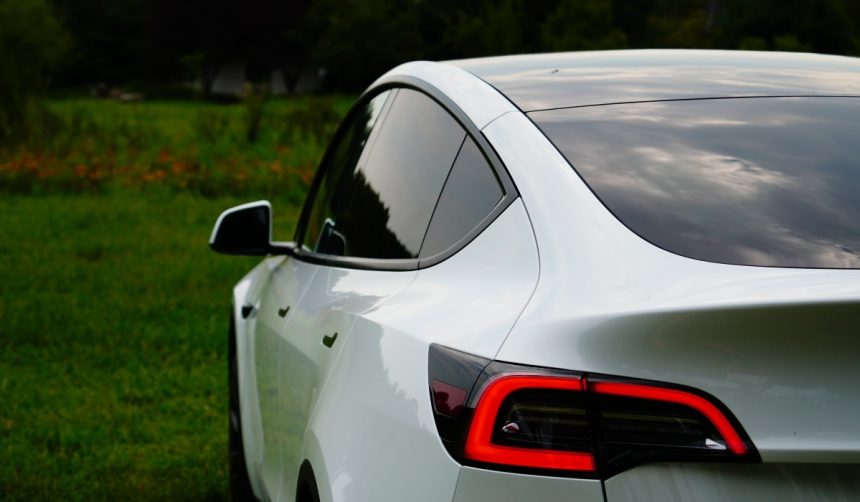

The Tesla Model Y Standard has drawn fresh attention after recent independent testing revealed it outperformed the company’s more expensive Premium variants in real-world range. Car buyers often expect greater range and features with higher trims, but the new findings challenge that assumption. Electric vehicle drivers frequently seek genuine range accuracy to inform their daily routines. The distinction between published EPA estimates and real-world outcomes continues to be significant for consumers in the expanding EV market.
Previous range assessments of Tesla’s Model Y models did not always achieve the EPA’s projected distances; in fact, units produced between 2018 and 2023 often delivered less range in real-world testing than advertised. The current results mark a shift, showing for the first time that the Standard model not only met, but exceeded expectations. Earlier coverage primarily focused on luxury or performance differences between Model Y trims, whereas renewed focus now lands squarely on efficiency and actual driving range.
How Did the Model Y Standard Perform in the Range Test?
In Edmunds’ most recent testing, the Tesla Model Y Standard achieved a real-world range exceeding its EPA rating of 321 miles. The testing protocol followed a consistent pattern, involving a prescribed mix of 60 percent city and 40 percent highway driving, with standard efficiency settings and controlled temperatures maintained throughout. These procedures allow each vehicle, including the Launch Series built under the Juniper program, to be evaluated under comparable conditions.
What Sets the Model Y Standard Apart from Premium Variants?
The Model Y Standard demonstrated better energy efficiency than its Premium counterparts, using just 22.8 kWh per 100 miles compared to 26.8 kWh for the newer Launch Series. While the Premium trim offers a more luxurious experience with features such as vegan leather interiors and enhanced sound insulation, the Standard model’s achievements in efficiency can appeal to buyers prioritizing range and value. The practical differences between trims reflect Tesla’s evolving design and engineering focus.
How Are Testing Conditions Standardized and Why Does It Matter?
Adherence to Edmunds’ stringent and consistent testing protocol, which keeps speed, climate settings, and route constant, aims to replicate typical driving behavior as closely as possible.
“All of this most accurately represents the real-world driving that owners do day to day,”
Edmunds clarifies. Factors such as temperature and road congestion still influence outcomes, but the overall process strives for objectivity and repeatability in evaluating electric vehicle performance.
Tesla vehicles have faced ongoing scrutiny when measured by actual versus claimed ranges, but recent tests signal a narrowing of that gap.
“Tesla’s newer vehicles have continued to meet or exceed their EPA estimates,”
according to testing observations. As a result, Tesla’s reported improvements could affect consumer confidence and perceptions of electric vehicle reliability, especially as range anxiety persists among potential adopters. For buyers, dissecting both the efficiency data and the comfort trade-offs between Standard and Premium trims is increasingly relevant when making purchasing decisions.
Shoppers considering an EV like the Model Y can benefit from scrutinizing both laboratory-derived estimates and independent real-world results. The gap between EPA projections and actual range has long influenced the EV shopping experience, often leading to consumer skepticism. When newer vehicles deliver on their promises, confidence in electric transportation may broaden, encouraging more widespread adoption. For those balancing cost, comfort, and range, reviewing how each trim performs under practical conditions is essential to making informed choices.