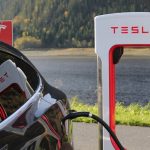
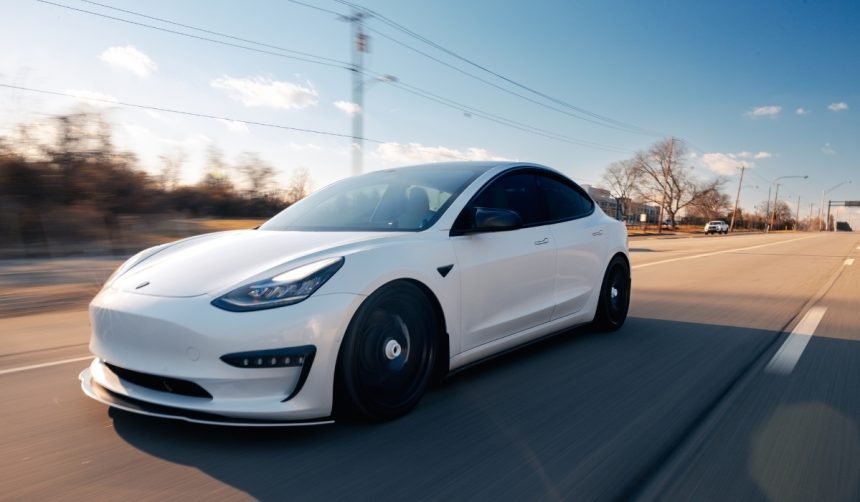

Tesla drivers in California, Oregon, and Arizona can now link their vehicles directly with Lemonade Insurance through a smartphone app, allowing a streamlined approach to obtaining coverage. This integration arrives as Lemonade expands its unique AI-based insurance solution that previously attracted attention for proposing nearly free coverage on Tesla Full Self-Driving (FSD) miles. Increasing accessibility for drivers, Lemonade says customers will no longer require a separate telematics device, potentially simplifying the insurance process. Leveraging data-driven methods, both companies aim to address concerns about pricing predictability and the ease of policy management. Policyholders are given the option to donate any unused premiums to charities, adding another layer of appeal for conscientious drivers.
Other reports had indicated Lemonade’s insurance model focused on flat-rate pricing and AI-powered risk assessment as its distinguishing features. While initial insurance launches targeted broader electric vehicle markets, this direct integration with Tesla’s connected vehicles represents a switch toward deeper automotive partnerships. Previous coverage for advanced driver assistance features rarely included nearly free options for FSD miles, making this offer a break from traditional insurance structures. Earlier, Tesla’s own insurance initiative was available in a limited number of states, highlighting the incremental expansion of insurance options for their customers.
How Does the Lemonade and Tesla Integration Work?
With direct app connectivity, Tesla owners can transmit their vehicle data to Lemonade without installing third-party telematics hardware. This approach is designed to create a seamless experience from quote to policy management and claims. According to Lemonade, smarter pricing emerges from more accurate measurements and data analysis gathered straight from the vehicle. Offering this integration in select states allows the insurer to pilot its model with a sample of progressive vehicle owners familiar with technology-driven products.
What Are the Stated Benefits for Drivers?
Lemonade lists three main reasons for this new structure: removal of telematics devices, customer service improvements, and more sophisticated pricing.
Lemonade stated, “Direct connection equals no telematics device needed.”
In addition, the company believes this setup will improve user experience and policy accuracy.
“Smarter pricing with Lemonade,” the insurer highlighted, referencing its AI-powered pricing strategies.
These features are positioned to address common frustrations drivers cite in dealing with traditional insurance processes and opaque pricing structures.
Will Drivers See Nearly Free Full Self-Driving Coverage?
Lemonade’s President and Co-founder, Shai Wininger, has publicly shared interest in providing almost free insurance for Tesla’s Full Self-Driving features. The idea is to incentivize the use of automated driving, which recent data shows has a far lower accident rate than the national average. Tesla FSD has reportedly achieved an accident rate of one every 6.36 million miles, far exceeding safety statistics for manual driving. This safety record could enable stable and lower-cost insurance premiums tied specifically to FSD miles, prompting a shift in how vehicle technology impacts insurance risk assessment.
Tesla’s strategy for insurance involves offering its own in-house policies, now functioning in twelve states and seeking expansion. Meanwhile, Lemonade’s offering provides an alternative to those who may want more innovative or charity-oriented insurance products. Both efforts reflect a broader industry trend: insurance providers are challenged to adapt to rapidly advancing automotive technology, particularly when it comes to evaluating risk for features like autonomous driving. For drivers, having access to multiple insurance options may create better pricing and customer experience, as each company competes on features and data analytics.
As the landscape for automotive insurance evolves, the direct connection between Lemonade Insurance and Tesla vehicles marks a significant shift toward technology-centric coverage tailored for electric and semi-autonomous cars. Owners weighing their coverage choices should carefully consider how data sharing impacts pricing and what level of customer service is provided. With accident rates tied to real-world vehicle performance, insurers can offer more dynamic pricing while drivers benefit from personalization and possible cost benefits. For those utilizing Tesla Full Self-Driving, this could mean newfound affordability and data-driven transparency, provided regulatory frameworks and company policies continue to support these advancements.