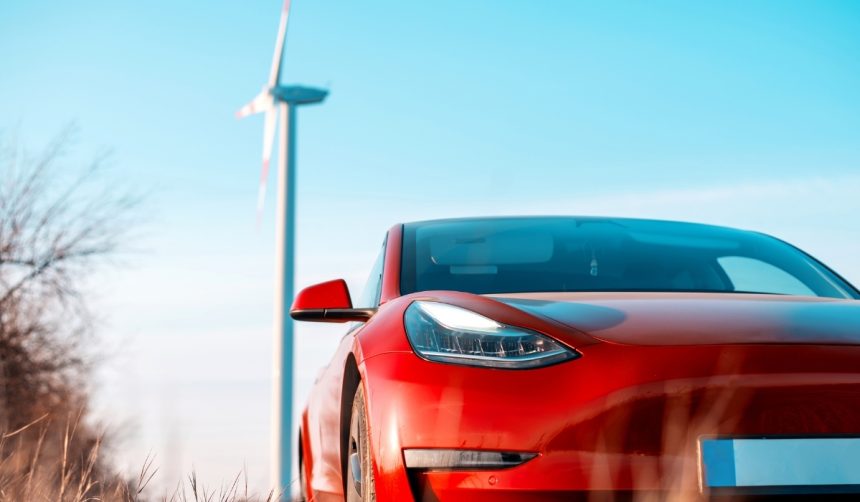

Tesla is poised to remove Safety Monitors from its Robotaxis operating in Austin within the next three weeks, pushing forward with automation in urban mobility. The decision, confirmed by CEO Elon Musk at the xAI Hackathon, marks a significant step in Tesla’s goal to deploy fully unsupervised autonomous vehicles for public ride-hailing services. As cities evaluate how to balance innovation with oversight, Austin will soon serve as the testbed for this bold move. City residents and local regulators are closely observing the rollout, as the absence of human safety monitors signals a shift in trust toward advanced driving technology.
Tesla has been actively increasing its Robotaxi fleet and expanding geofenced service areas throughout 2024, whereas its previous autonomous operations required safety drivers at all times in both Austin and the Bay Area. Earlier updates focused on gradual driverless testing and regulatory negotiations. Unlike earlier news, which documented delays and uncertainties, this announcement emphasizes the delivery of a set timeline. While some skepticism remains due to recurring changes in projected dates, the latest statements highlight a firmer commitment to implementation in Austin, distinguishing this phase from previous incremental tests.
How will Robotaxis operate without Safety Monitors?
The updated process will remove the presence of Safety Monitors from both the driver’s and passenger’s seat, allowing Tesla Robotaxis to function autonomously within Austin. This shift means that public rides can occur without a human acting as an emergency backup. Tesla’s existing practice, which had Safety Monitors on local roads and highways, will be replaced by a supervised remote operations model, coupled with software monitoring systems. Musk explained the confidence in these changes:
“Unsupervised is pretty much solved at this point. So there will be Tesla Robotaxis operating in Austin with no one in them. Not even anyone in the passenger seat in about three weeks.”
Advanced sensor arrays and real-time data analysis remain the backbone of the autonomy process.
Why is the timeline so important for Tesla’s goals?
Meeting the end-of-year deadline has been a frequent public commitment from Elon Musk in statements over recent months. His projection originates from public remarks beginning in September, when he suggested the goal of eliminating safety drivers before 2026.
“Should be no safety driver by end of year.”
With three weeks remaining, removing the monitors before December ends would align with previous promises and demonstrate Tesla’s ability to follow through on high-profile targets. The company, aiming to counter skepticism, sees timely deployment as essential for demonstrating the technical maturity of its Full Self-Driving (FSD) system.
What could the broader impact be on autonomous ride-hailing?
Tesla’s decision to retire Safety Monitors is likely to fuel discussion about standards for autonomous vehicles in the U.S. The Austin trials, launching imminently, may influence similar initiatives nationwide and draw scrutiny from safety advocates and competitors. Although the full scale of fleet expansion remains undisclosed, recent efforts to increase the number of deployed Robotaxis suggest the company intends to accelerate self-driving research and deployment. Tesla’s Austin move could serve as a case study, prompting local and federal agencies to revisit guidelines for autonomous vehicle testing and real-world operation.
As autonomous driving technology edges closer to mainstream adoption, Tesla’s Robotaxi initiative in Austin provides a reference for understanding both the technical and regulatory hurdles facing self-driving cars. Observers should note that technological readiness, public trust, and practical road experience will all factor into acceptance. Interested parties can further track progress by examining the frequency of real-world disengagements and regulatory feedback. Ultimately, Tesla’s actions in Austin may clarify how the industry navigates the transition from experimental technology to everyday urban mobility.