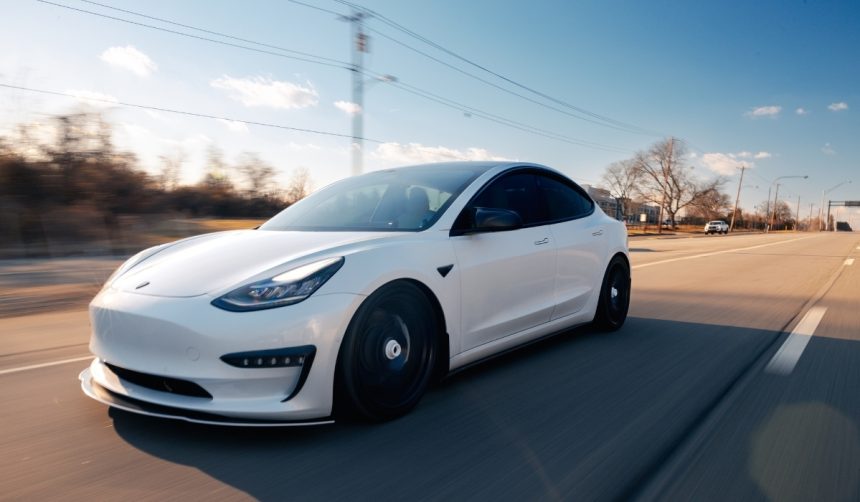

Investor skepticism around Tesla Inc. (NASDAQ: TSLA) intensified over the weekend as Michael Burry reiterated his position on the company’s valuation through direct comments to subscribers. Burry, renowned for predicting the 2008 financial crisis and depicted in the film “The Big Short,” described Tesla’s market capitalization as highly inflated. Tesla, under the guidance of Elon Musk, has frequently drawn both acclaim and doubt from financial circles due to its rapid growth beyond traditional automaker metrics. As the broader market continues to grapple with whether Tesla’s diversified ambitions into AI, robotics, and autonomous driving justify its premium, the conversation around realistic valuation standards remains unresolved among industry watchers.
Burry’s persistent skepticism is notable because his earlier short positions against Tesla stock, and by extension other bullish institutions like ARK Invest, became headlines during previous market cycles. Contrasting recent narrative shifts, earlier coverage focused more on the confrontations between bullish and bearish camps, as well as the volatility generated by Burry’s public announcements. Notably, his latest remarks come against the backdrop of Tesla’s ongoing stock volatility—dipping to around $220 per share before rebounding to above $430, reinforcing the complexity that has defined Tesla’s relationship with Wall Street speculation in recent years.
What Exactly Did Burry Say about Tesla’s Valuation?
Burry addressed Tesla’s financial position straight on, labeling its market capitalization as “ridiculously overvalued today and has been for a good long time.” Through his newsletter, he suggested Tesla’s ascent rests less on fundamentals and more on fervent investor enthusiasm. He also questioned the cult-like following around Elon Musk and Tesla’s pivoting narratives, stating:
“As an aside, the Elon cult was all-in on electric cars until competition showed up, then all-in on autonomous driving until competition showed up, and now is all-in on robots — until competition shows up.”
How Have Burry’s Strategies Fared?
Scion Asset Management, led by Burry, made significant bets against Tesla, reportedly placing a $530 million short position against the stock. Despite this conviction, the firm’s short trades did not yield expected returns, as Tesla shares rose over 115 percent since 2020. The firm’s activity peaked in 2020, but by October 2021, Scion had dropped its direct short on Tesla. By May, Scion Asset Management closed, coinciding with these underperforming positions.
How Has Tesla Performed on the Stock Market?
Tesla’s stock performance has remained volatile, reflecting swings in investor confidence and broader market trends. Its value notably dipped to approximately $220 per share but then rallied sharply, climbing above the $400 mark and closing at $430.14 recently. This pattern of fluctuations underscores the ongoing debates about the company’s underlying worth and the impact of public sentiment on its price trajectory.
Tesla’s continued presence in debates about valuation standards keeps the stock a point of contention in both technology and automotive circles. Analysts remain divided on whether recent gains reflect real progress in Tesla’s core and emerging businesses or are propelled by speculation. A spokesperson replied to Burry’s claims by reinforcing the company’s growth focus:
“We remain committed to scaling innovation across automotive, robotics, and AI sectors.”
Tesla’s expansion into robotics and AI suggests an effort to diversify, yet ongoing scrutiny from voices like Burry’s ensures its stock will remain closely watched as it explores new verticals and confronts intensified competition from established and emerging players alike.
Anyone monitoring Tesla’s stock should weigh both the volatility and the proactive criticisms confronting the company. It is crucial to analyze not just headline performance and high-level critiques, but also the operational developments, business model adaptability, and actual results delivered by products like autonomous driving features and robotics. Investors and observers benefit from balancing narratives of exuberance with rigorous examination of growth, competition, and sustainability in value. With such polarizing opinions, keeping a critical but informed perspective may help in navigating future updates from both Tesla and its most outspoken critics.